
Splendor in the Grass... and Glass
“I’ll have the Bugs Bunny option, please.”
That used to cause a lot of laughter among my friends when I began requesting the vegetarian option at restaurants some 20 years ago. Much has changed, and vegetarian menus or plant-based options are standard for most restaurants. Even some of the world’s finest have gone completely plant-based, such as Eleven Madison Park in New York, Arpège in Paris, and King’s Joy in Beijing. I had a hunch that pairing wine with plant-based cuisine was the next horizon in food and wine.
My diet was not plant-based at the time. A dear friend had a heart attack and changed to a plant-based diet, and I began to order the same menus on occasion when we dined together. He still drank the best wines and was always very generous. My experiences with plant-based and vegetarian cuisine began to grow. Not long thereafter, my wife also went plant-based.
Classic food and wine pairing advice would tell you that it is challenging pairing wine with plant-based food because of all the bitterness in much of the plant world or that it lacks the fattiness found in standard cuisine, but there are many ways to manage both. Remember, wine, especially red wine, has an intrinsic bitterness as well, and there are plenty of sources of fat in the plant world: avocado, miso, and coconut-based creams, just to name a few. So, the principles of wine pairing with plant-based dishes are mostly the same. You can do “like with like,” where the flavor of the wine shares something with the food.
As an example, grilled Portobello mushrooms with a Carter Cellars Napa Valley Cabernet: the smokiness of the mushrooms proves a worthy foil for the smoky vanillin new-oak flavors of Napa Valley Cabernet. You can also do contrasting pairings, where the wine can help cut through the fattiness, bitterness or saltiness of a dish. An example here would be a white asparagus dish with a creamy (non-dairy) emulsion, which goes terrifically well with a Chardonnay with bright acidity, like a Chassagne-Montrachet from Domaine Fontaine-Gagnard or even a Chablis from Domaine Pattes Loup.
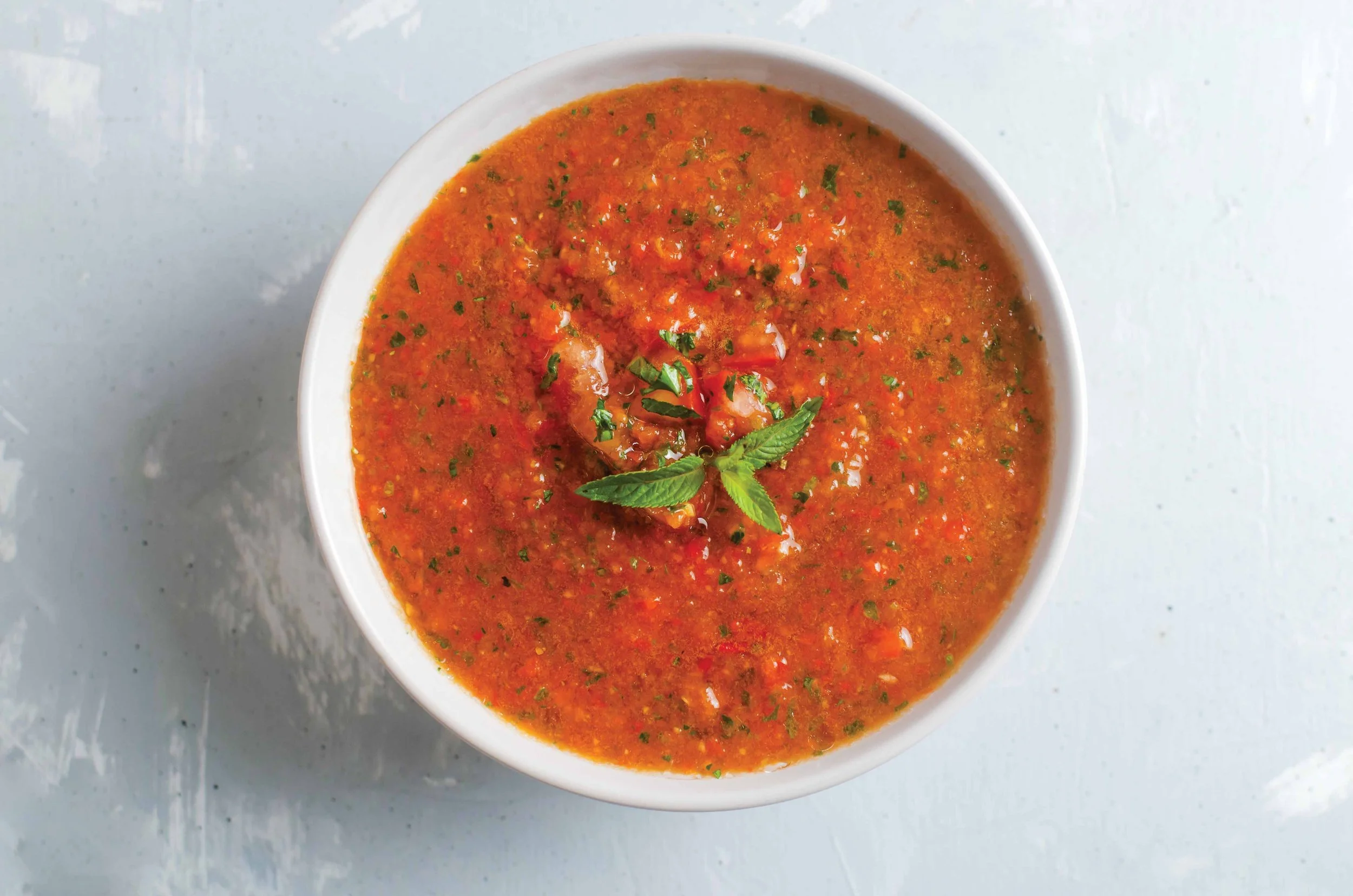
Some of my all-time favorite food and wine pairings are with plant-based dishes. I once did a wine dinner with Iron Chef French Hiroyuki Sakai, and he prepared a simple, yet amazing gazpacho soup, which I paired with a Domaine Champalou Vouvray Sec. The marriage of acidity between Chenin Blanc and the tomatoes was as smooth as the texture of the soup. And the fragrances of flower and fruit were perfect with his secret blend of garlic and herbs.
Mushrooms are an amazing proxy for red meat. They can be grilled, braised and some even shredded like the fibers of meat. Grilled maitake mushrooms with a touch of olive oil and Herbes de Provence pair beautifully with Grenache, particularly old-vine Grenache such as Cims de Porrera Garnatxa. This 100-plus-year-old-vine Garnatxa from Priorat has a heady mix of intense fruit along with savory herbs. It envelops the smoky and earthy flavors of the mushrooms in its warm embrace.
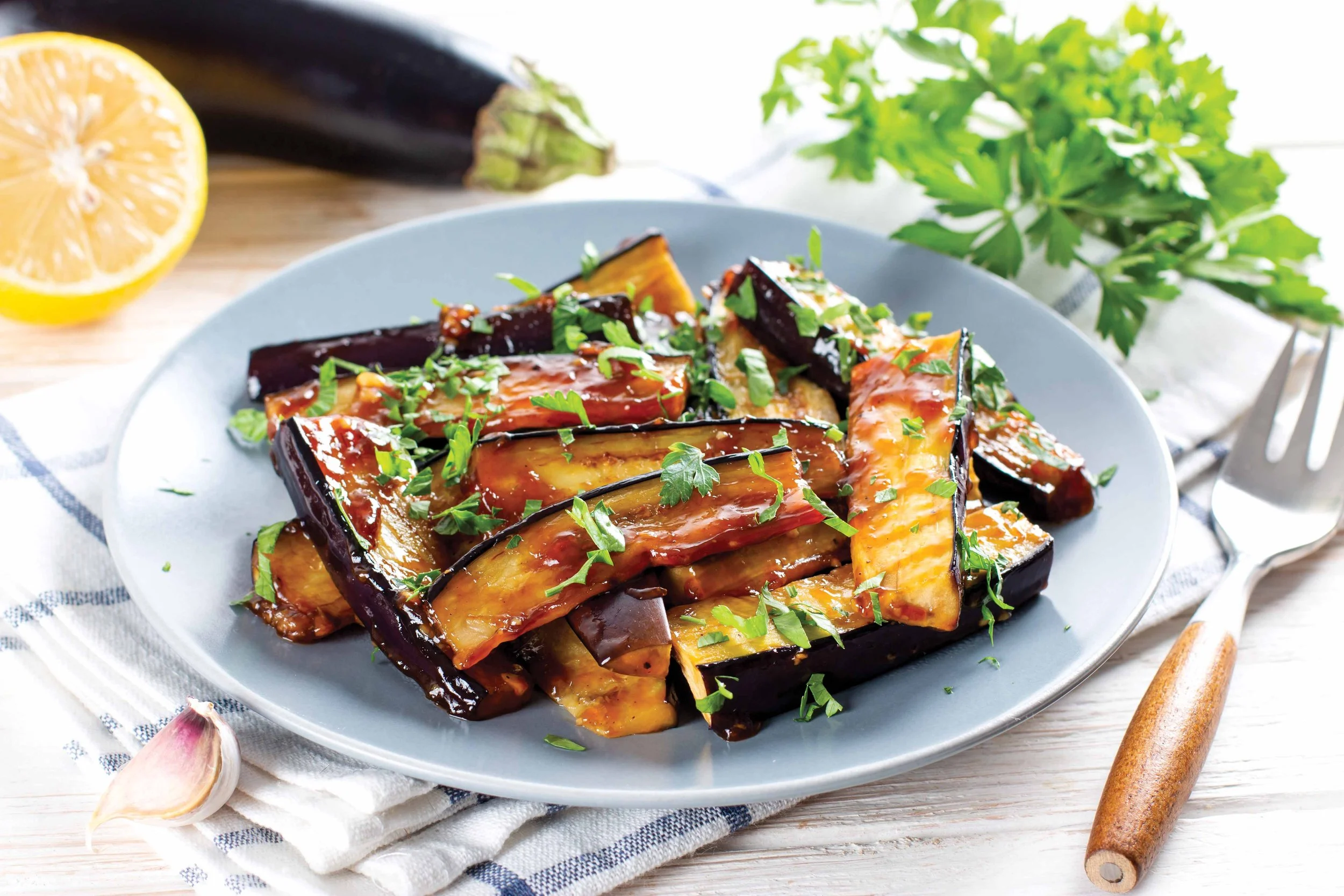
And perhaps one of the most surprising food and wine pairing epiphanies for me is miso-glazed roasted eggplant with well-aged Pinot Noir, especially old red Burgundies. I remember distinctly having a bottle of 1978 DRC Richebourg Grand Cru with this dish, and I was floored. When great Pinot Noir ages, it becomes a plethora of aromatics from dried fruit, flowers, freshly tilled soil, mushrooms, and teas. Somehow it lends all these complexities to the earthiness of the eggplant, allied with the saltiness and umami of the miso, to create an explosion of flavor that is greater than the sum of its parts.
Whether you are eating more plant-based due to health reasons, lifestyle choices, concern for the planet, or are just curious, never be afraid to pair wine with whatever you are eating. Wine can express the exact plot of earth from which it originates — its soils and microclimate. And grapevines are still grown from the earth, which is exactly where all our food should come from.