
Diamond in the Rough
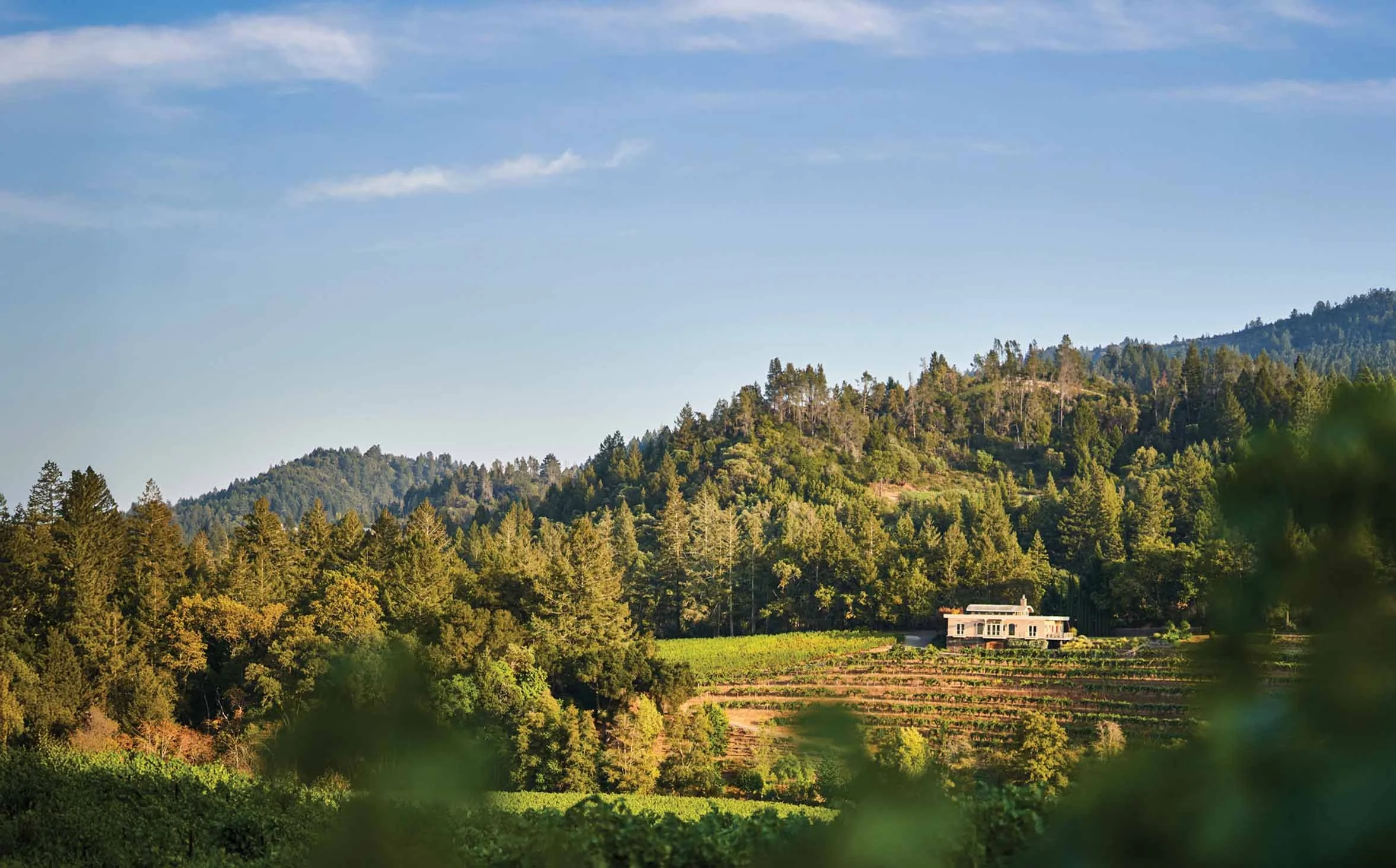
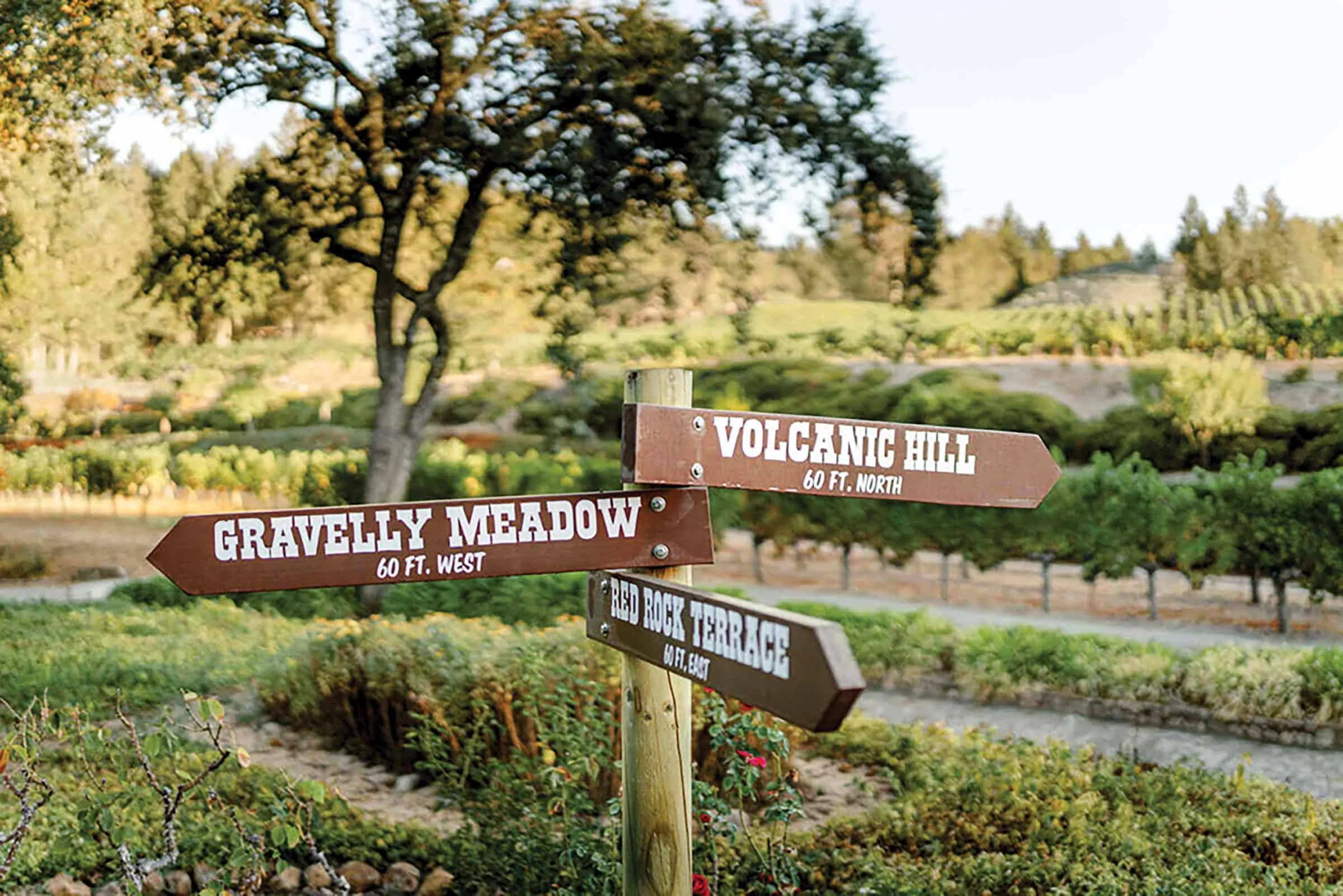
Diamond Creek Vineyards’ rugged Diamond Mountain estate is divided into distinct sites — including Volcanic Hill and Gravelly Meadow — each reflecting the singular soils and terrain that inspired the winery’s pioneering approach to site-specific Cabernet Sauvignon.
(All photos courtesy Diamond Creek Vineyards.)
Founded in 1968 by Al and Boots Brounstein, Diamond Creek Vineyards on Diamond Mountain is one of California’s first estates dedicated to Cabernet Sauvignon. What set Diamond Creek apart and created a cult-like following was the Brounsteins’ pioneering philosophy of site-specific, single-vineyard wines — something akin to Burgundy rather than Bordeaux, the classical home of Cabernet Sauvignon.
It was something completely unheard of in the era. Defying conventions of blending and planting vineyards on the valley floor, the Brounsteins instead purchased a mountain property and began an exploration into high-elevation and radically singular expressions of wine.
Diamond Creek’s winemaker and Vineyard Manager Graham Wehmeier describes Al Brounstein as a Francophile and risk-taker. He visited Bordeaux and Burgundy several times and envisioned crafting a distinct counterpart to the great classified growths of Bordeaux; however, the Burgundian idea of expressing individual terroirs and vineyards captured his imagination.
Dismissing skeptics who considered planting vines on rugged, remote Diamond Mountain to be sheer folly, he purchased an uncultivated 70-acre forest parcel. He famously sought budwood from Bordeaux First Growths, cultivating a legend that the cuttings were smuggled across the border via Mexico to bypass stringent agricultural restrictions. His commitment to single vineyards perplexed many wine merchants, who balked at carrying multiple vineyard representations from the same winery. Brounstein held fast to his ideal and created a blueprint for modern, ultra-premium American terroir-driven winemaking.
Wehmeier echoes the soil differentiation of such a small area that Brounstein became intimately familiar with as he planted the property’s 21 acres of vines. Wehmeier even calls the soils “color coded.”
Although the vines are contiguously planted, with the eponymous creek running between them, each specific site on the estate has its own terroir that rings true in the wine. Volcanic Hill encompasses roughly eight acres that sit atop ancient white volcanic ash. Wehmeier calls this one of the “best Grand Crus of California.” It absorbs intense heat, producing a powerful, deeply structured Cabernet with striking longevity. Red Rock Terrace benefits from a cooler northern exposure and soils rich in iron oxide.
In Wehmeier’s words, “This has an Old World feel to it.” Gravelly Meadow is perhaps the most uniform, set upon an ancient, nutrient-poor streambed of gray river pebbles. The low-yielding vines here produce a more refined wine. Finally, Lake Vineyard is an ultra-tiny plot of not even a full acre and is bottled independently only in exceptional years.
Tasting the 2022s with Wehmeier is an amazing elucidation of the soil characteristics expressed through each bottle.
We begin with Gravelly Meadow, which shows huge aromatics, from cola and tobacco to black fruit and graphite, with some sweet oak and spice on the lengthy finish. It is the supplest in tannin and amazingly seamless.
Red Rock Terrace comes next, with less spice and more of the amazing fruit that Napa is known for. The aftertaste is immense and interminable, with the wood and sweetness of fruit lingering. Volcanic Hill is the densest and most tannic — a masculine example, with dark chocolate and warm stones bringing tons of complexity. This is a serious wine for serious Cabernet drinkers. Be prepared for it to stain every nook of your palate with flavor.
Lastly, we taste the 2019 Three Vineyard Blend. Some may think a blend to be a bit anathema to the philosophy here, but this wine is made only from the second crop of the vines, which occurs when yields are copious. The previous vintage produced was 2013. It is quite complex and shows
a beautiful readiness compared with the 2022s. Although it does not have the same individual nature as the single vineyards, I liked it a lot!
Following the acquisition in 2020 by the historic Rouzaud family of Maison Louis Roederer, the estate continues its singular mission. The new owners have invested heavily in soil health through organic practices, composting and cover crops. They are leaning into dry farming and replanting protocols that match rootstocks to each of the unique soils.
As a young sommelier, I could spot the Diamond Creek label across the dining room. I remember thinking, “They are drinking great Napa Cabernet.” Today, Diamond Creek remains a monument to mountain viticulture, where soil and site speak louder than trends. And you can still be confident that when you open a bottle of Diamond Creek today, you will be drinking great Napa Cabernet.
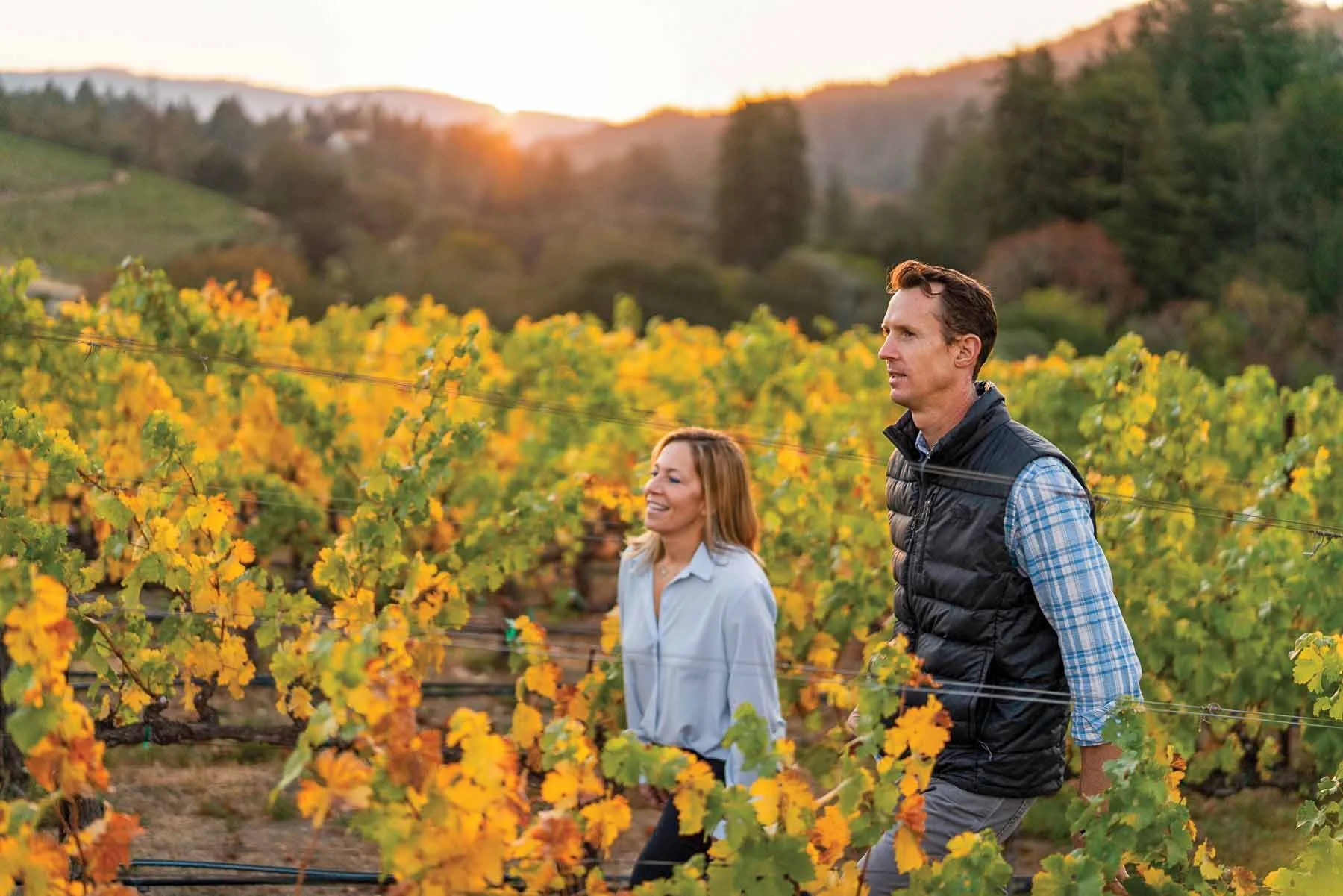
Diamond Creek founders Al and Boots Brounstein.
(All photos courtesy Diamond Creek Vineyards.)