
The Practice of Perfection

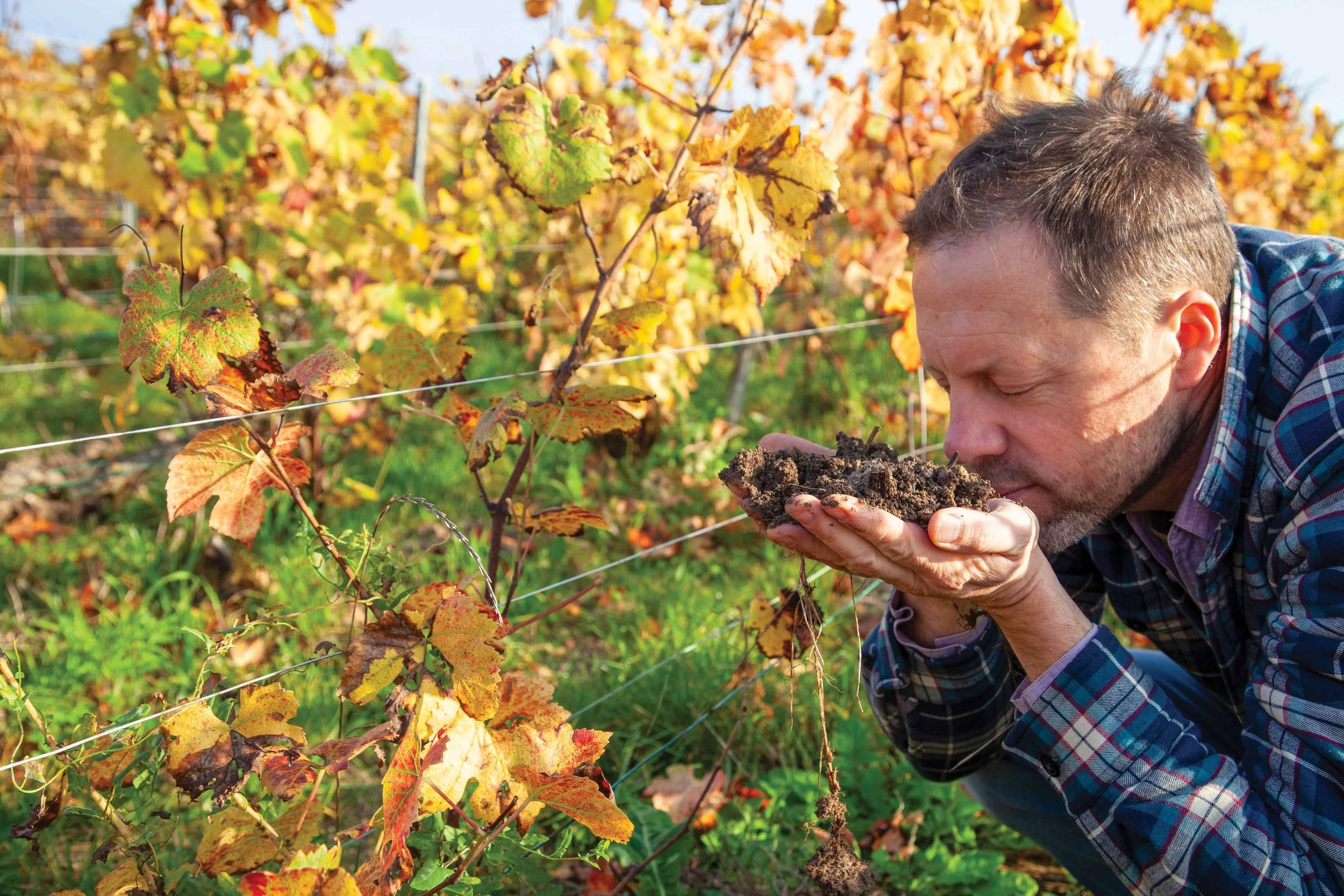

At Lotus Wine and Spirits, I do my best to support vignerons who use organic and biodynamic practices when growing their grapes. This is my small way of helping to keep the earth healthy for the next generations. Outside of knowing that these practices are good for the overall environment, most consumers are still unsure of what exactly these terms mean and how they affect the wines that they drink. In my experience, more consumers are increasingly mindful of the environmental impact of what they are drinking and how it may impact their own health.
The two most encountered terms on wine labels are notably “organic” and “biodynamic.” Both philosophies spring from a desire to move away from conventional industrial agriculture, which relies heavily on synthetic chemicals and artificial inputs. However, while they share foundational principles, their approaches diverge significantly in philosophy, practice, and the underlying view of the vineyard ecosystem. The core difference lies in scope: organic farming is fundamentally a list of prohibitions, while biodynamic farming is a holistic system guided by spiritual principles and celestial rhythms.
Organic viticulture operates primarily within the realm of ecology and chemistry. Its mandate is clear and relatively straightforward: avoid synthetic pesticides, herbicides, artificial fertilizers, and genetically modified organisms. This approach is rooted in provable science, focusing on reducing chemical runoff, protecting farm worker health, and fostering a balanced soil microbiology without harsh synthetic interference.
Organic farmers employ natural methods such as deploying beneficial insects to control pests, using cover crops for weed management and soil enrichment, and relying on naturally derived fungicides like sulfur and copper (though even these are regulated due to potential soil accumulation). Certification bodies, such as the USDA in the United States or various European Union organizations, provide rigorous legal definitions and auditing processes for what constitutes “certified organic.” For many growers, the organic path is a practical, scientific approach to sustainable farming that aligns with established environmental regulations.
One of my favorite organic producers in my portfolio is Domaine Bernard Defaix in Chablis. Although they are in one of the coldest, frost- and mold-prone classical wine regions, they still adhere to practices that keep their vineyards vigorous and producing grapes of the highest quality. Their 2023 Chablis 1er Cru Côte de Lechet is a perfect example of purity of terroir, with scintillating fruit and palate-staining intensity of fruit and minerality that is the hallmark of great Chablis.
Biodynamic viticulture, on the other hand, presents a more complex, almost mystical alternative. Developed in the 1920s by Austrian philosopher Rudolf Steiner, biodynamics views the farm as a single, self-sustaining organism, capable of healing itself and producing optimal vitality without external commercial inputs. This philosophy incorporates all organic prohibitions but adds layers of esoteric practice that transcend conventional science.
One of the most defining features of biodynamics is the use of “preparations” (numbered 500 through 508), designed to enhance soil life and plant health. The most famous is “Preparation 500,” or horn manure, made by stuffing fermented cow manure into a cow horn and burying it in the soil over winter to “dynamize” it with earth energies before spreading it across the vineyard. These methods often mystify skeptics but are considered essential by adherents for fostering a vibrant, “alive” soil capable of producing intensely expressive grapes. In Burgundy, vignerons from around the Côte d’Or gather during the planting of this horn and make it a very festive occasion, the likes of which Bacchus himself would be proud.
The most profound divergence, perhaps, is biodynamics’ integration of cosmic influences. Activities such as pruning, planting, and harvesting are timed according to a strict astronomical calendar based on lunar and astrological cycles. Grapes picked on a “fruit day” are believed to yield more expressive wine than those picked on a “leaf day.” This integration of cosmic energy into earthly agriculture is entirely absent from the pragmatic, earth-bound principles of organic certification. Biodynamic certification, typically overseen by the Demeter Association, is generally considered more stringent than organic certification, requiring the farm to function as a nearly closed-loop system.
Over decades of visiting vignerons who have converted to biodynamics, one of the common themes is that they all felt the only way to make better wine was to farm healthier vines. After moving from conventional to organic, then taking the next step to biodynamic, almost every single one of them saw an improvement in vineyard health and healthier grapes, which they translate into making better wine.
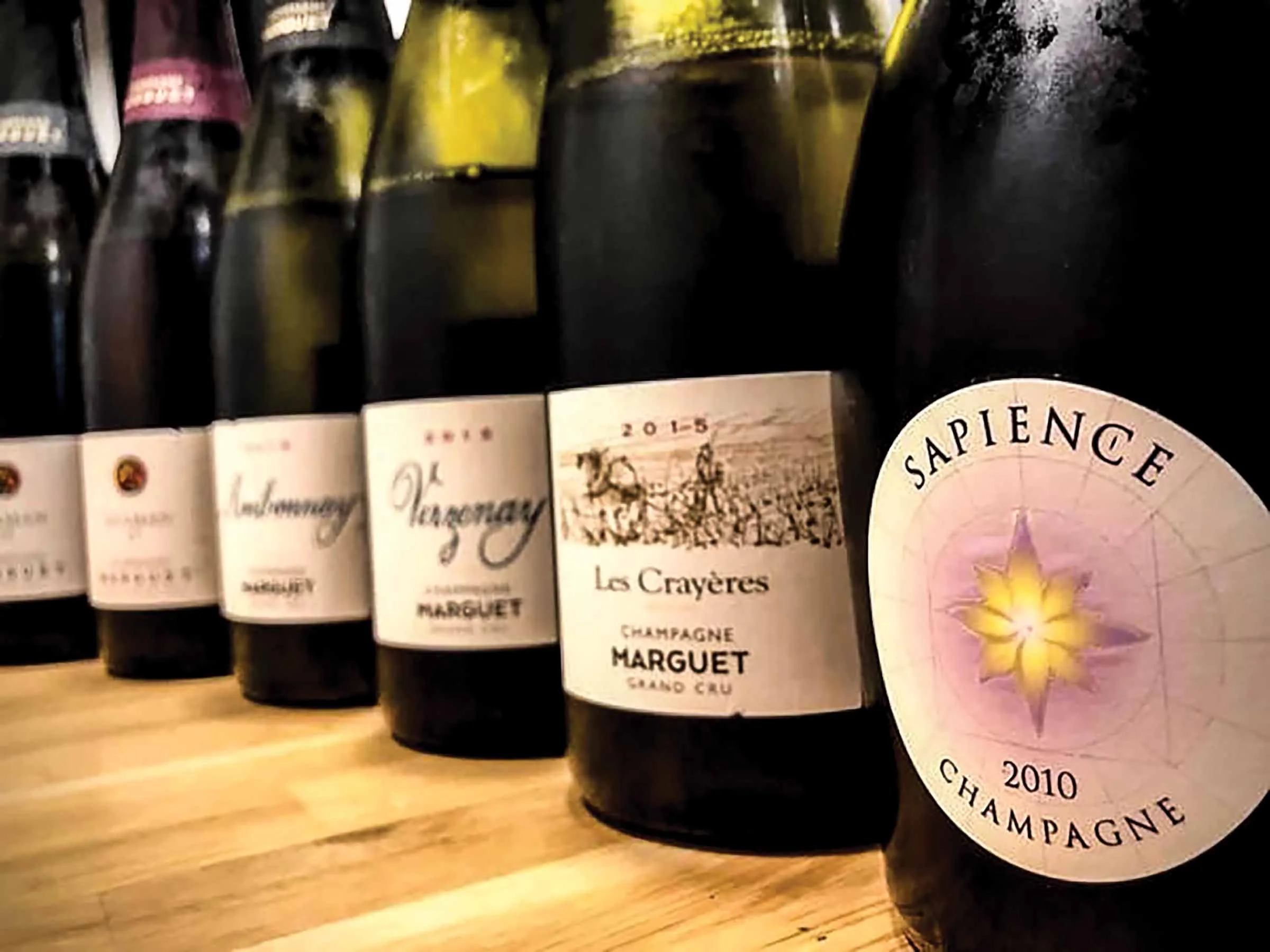
One great example is Benoît Marguet in Champagne. He was one of the pioneers of biodynamics in the region. Everyone told him that it was not possible to do so in the harsh conditions at the northern limits of Champagne, but he never relented. Today, his wines are a reference standard not only in Champagne but for biodynamic wines around the globe. His 2021 Shaman Blanc is a gorgeous wine brimming with green apple, citrus, and brioche toast. It not only tastes alive, but it is also filled with an energy that tasters can feel.
The difference between organic and biodynamic vineyards is ultimately a matter of dimension and philosophy. Organic farming is a highly regulated, science-based form of agriculture defined by its responsible avoidance of specific harmful synthetics. Biodynamic farming, while incorporating all organic practices, extends much further into a holistic, spiritual cosmology — treating the vineyard as a living entity connected to the broader cosmos and governed by specific, ritualized interventions. Both are commitments to sustainability, but they offer vintners two distinct pathways to cultivating the vine naturally — all for the good of the planet and the quality in the bottle.