
Scarecrow Rising
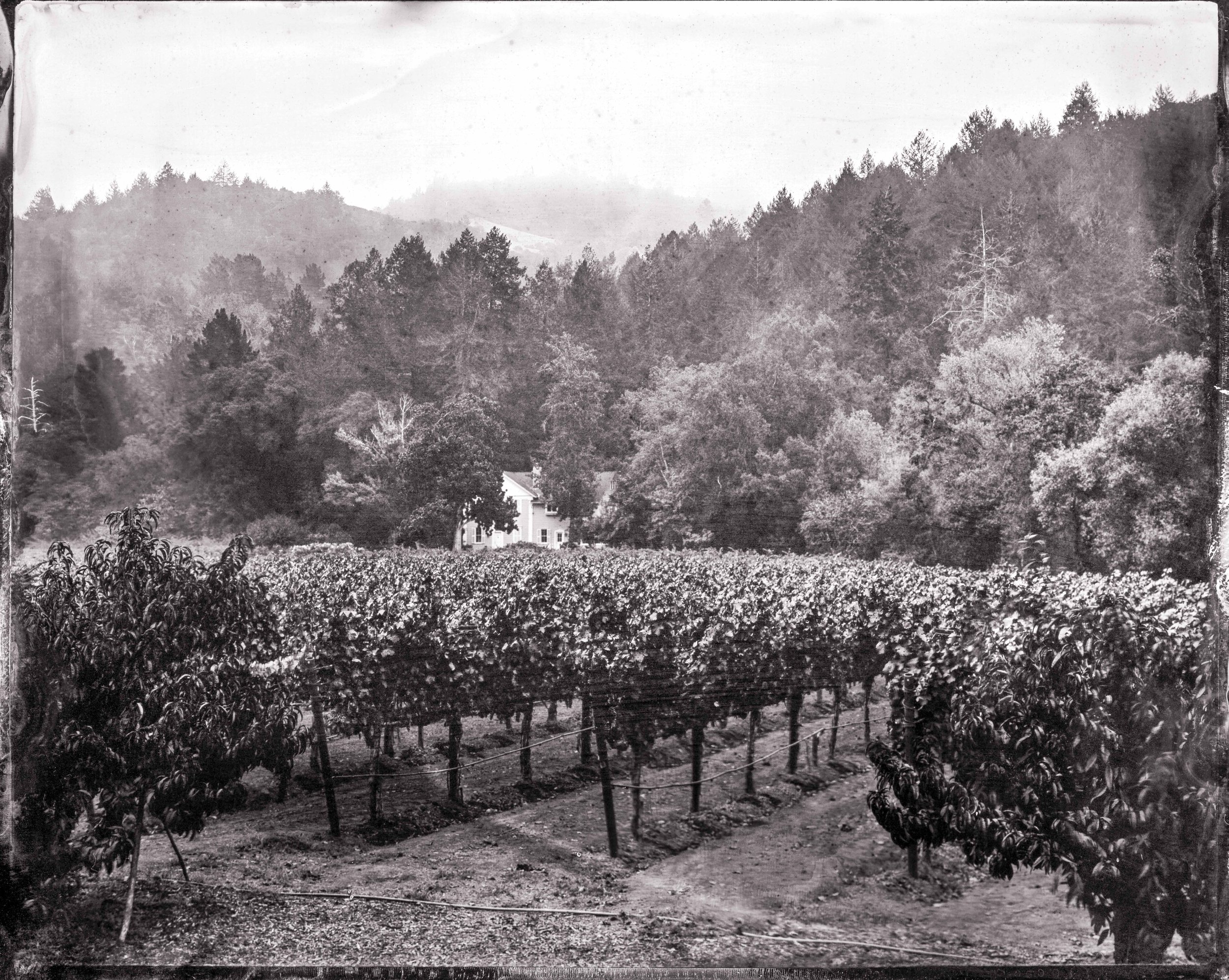

The greatest wines come from the greatest vineyards. What if you had no idea that your family owned one of the greatest vineyards in California — that you spent the summers of your youth next to the source of some of the most coveted grapes in all of Napa Valley without knowing it? This is just part of the story behind Scarecrow Wine and the J.J. Cohn vineyard. It is the legacy of a family patriarch and the reward, after struggle, for Bret Lopez and Mimi DeBlasio to retain the vineyard and continue the production of a legendary plot of land.
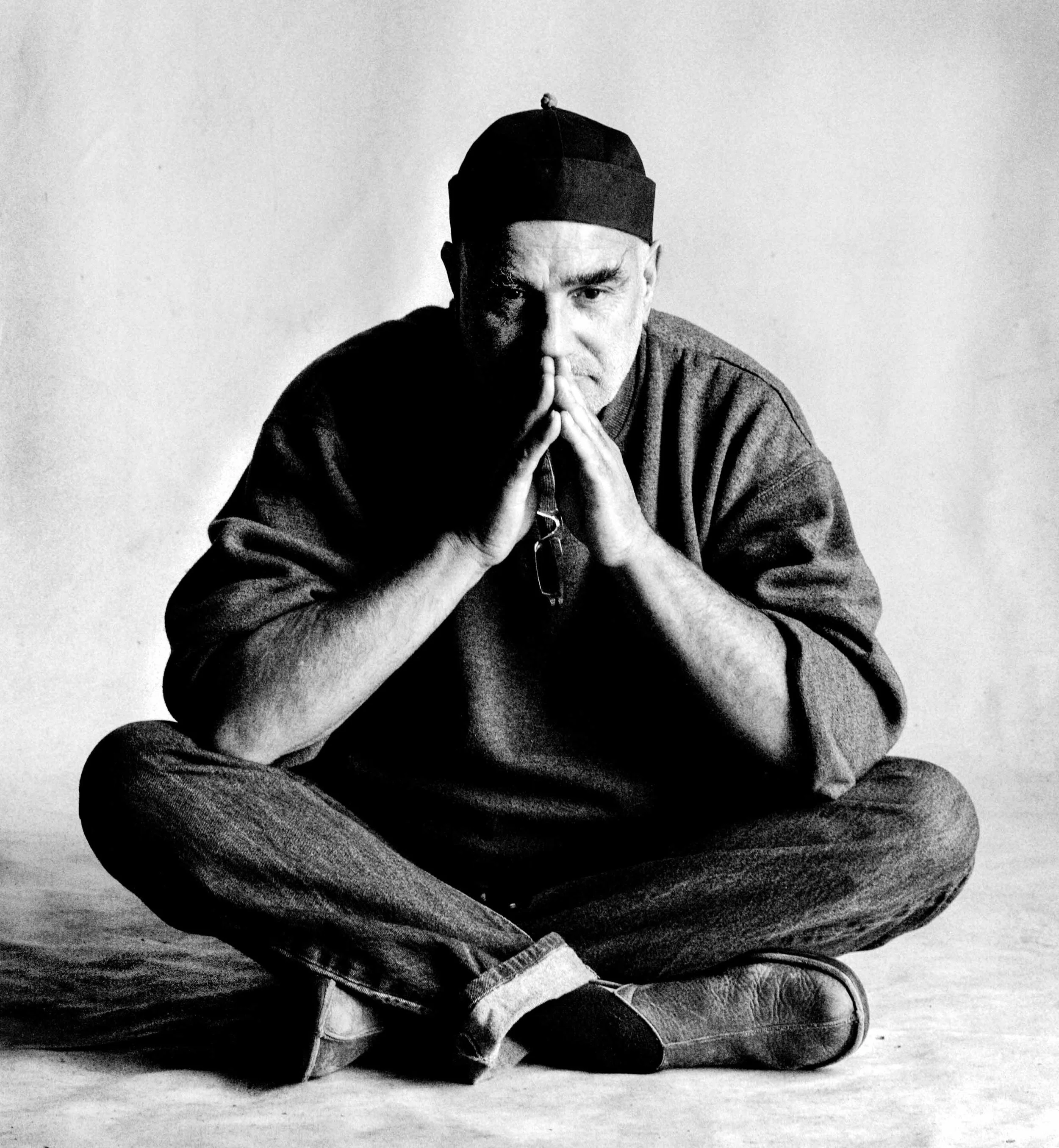
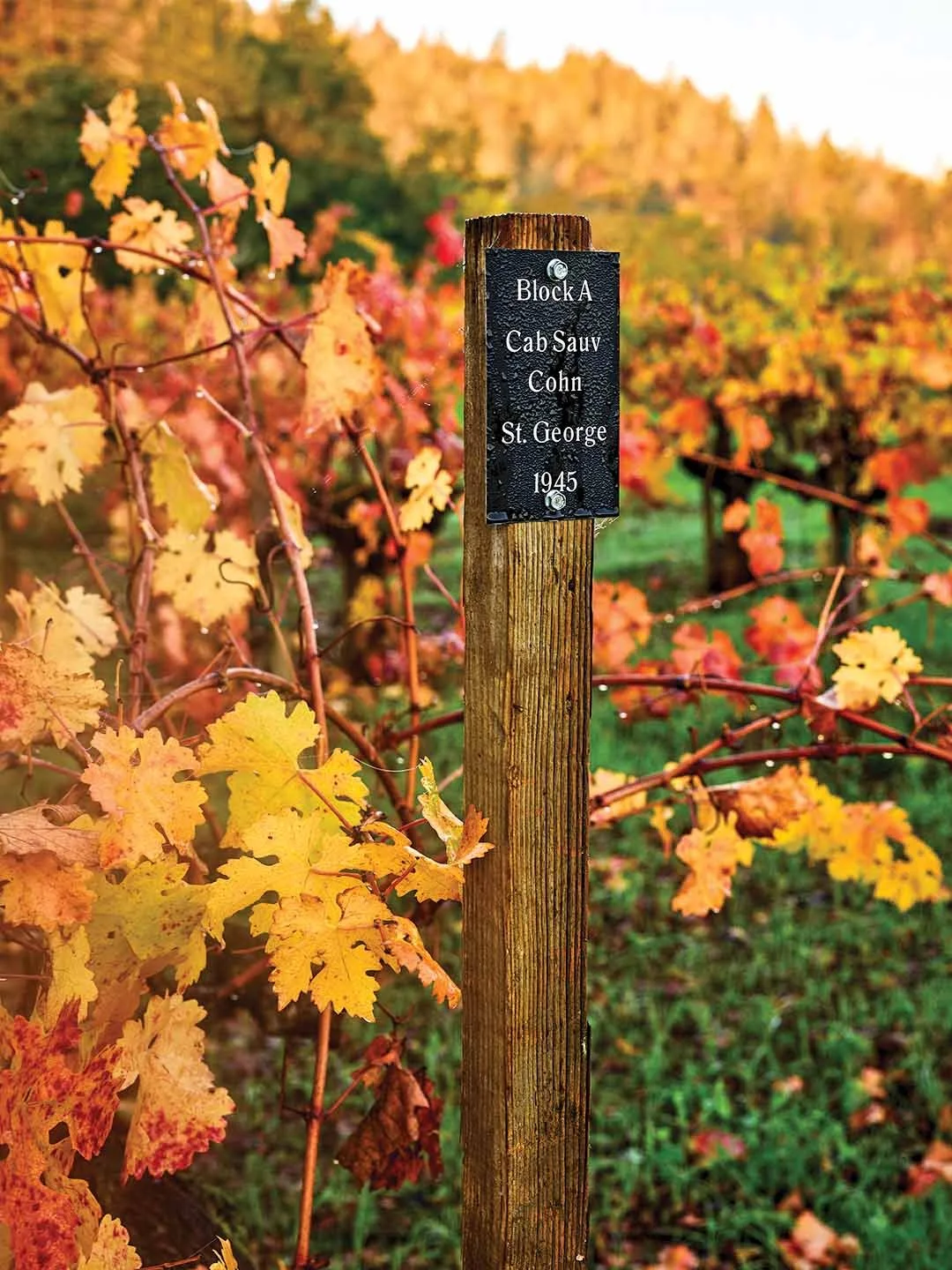
J.J. Cohn was born in 1895 in Harlem, N.Y. He became a film producer, and with Louis B. Mayer, he helped to build MGM as head of production, working both in New York and California. He married an heiress to dairies in New Jersey. She asked if there was anything like the Hamptons in California. He befriended A.P. Giannini, founder of Bank of America, who told him about Napa Valley. In 1937, Cohn purchased land in Napa Valley with a house that was built in 1850 by the first chief justice of the California Supreme Court. Prunes were the dominant crop at the time, but a neighbor by the name of John Daniel, owner of Inglenook at the time, came to him in 1944 and told him that he was going to start making Cabernet Sauvignon in a Bordeaux style and asked if he could use two acres of the Cohn estate to farm Cabernet. Thus, the first plantings of Cabernet (still surviving today) were planted in 1945 on St. George rootstock.
In the 1960s, UC Davis recommended AXR rootstocks, which everyone later found to be susceptible to phylloxera — the root louse that destroys vines. St. George rootstock is resistant to phyloxera. Everyone else converted to AXR except To Kalon and J.J. Cohn vineyards.
Toward the end of his life in 1995, Cohn was undecided on what he would do with the property. Bret Lopez, Cohn’s grandson, who had visited the property every summer from Los Angeles as he grew up, begged his grandfather for the property. Still undecided, Cohn met Mimi DeBlasio, Bret’s wife, and immediately fell in love with her and decided to pass the property along to Bret and his two sisters. After the death of one sister, the other sister wanted out of the property, so Bret decided that he wanted to buy her out. However, the surviving sister would only sell at “market price.” The property was appraised at $5 million in 2002. But a friend of Bret told him that “these grapes are special.” Not only are they the oldest Cabernet vines in the valley, but they also sit on a premier spot in the Rutherford Bench at the foot of Mt. St. John, and the property would easily sell for over $15 million.
Bret was not prepared to shell out that kind of cash, so they found a partner who would help them purchase the property and agreed to a planned “divorce,” so to speak, if that partner could still purchase some of the fruit from this prestigious site. The first round of bidding went to $15 million with three parties in the running: Bret and his silent partner, the Beckstoffers, and the Rothschilds (for Opus One). In the end, the property sold for $33.6 million — the most expensive agricultural land in the world at the time. Lopez’s silent partner was none other than Francis Ford Coppola.
Bret and Mimi never intended to live at the house on the property; they just wanted to continue to sell their fruit to the best producers. But because of the taxes levied on the property, the Lopezes sold everything they owned in L.A. and moved into the house. Bret admits that he still was not aware how truly special the quality of the fruit from the vineyard was. But now he had to make some wine to pay the taxes on the property.
He enlisted a sommelier friend at La Toque, Scott Tracy, to ask if he knew any winemakers, he would recommend for making the wine. He gave him a list of eight people. Bret called the first seven and struck out completely. The last person on the list was Celia Welch. He spoke with Celia, and their first meeting was quite direct. Welch said, “I can’t do it. I already have eight winemaking consultancies. The only way to add one is to get rid of one.” Bret was still insistent, and Celia asked, “What vineyard do you get your fruit from?” Bret responded, “The J.J. Cohn Estate.” Celia’s face changed. “You’re the man with the magic grapes.” She just so happened to have one barrel of wine made from purchased fruit from the J.J. Cohn vineyard that she had made at Laird Winery. They both went over to taste it, and Bret said, “The aroma alone was like, OH MY GOD! I was gobsmacked!” Celia Welch has been making the wine from the very beginning.
To honor their grandfather, the wine was named Scarecrow — a nod to a character from the famous film produced in 1939 while J.J. Cohn was still head of production at MGM. The first vintage was from the 2003 harvest, with a minuscule 480 cases produced. Scarecrow has always been 100% Cabernet Sauvignon. Today, they produce a second wine named M. Etain — a play on “The Tin Man.” In French, M. Étains translates to “Mister Tin,” which was first produced in 2008. The wine began as a “second” wine; however, it has become an extraordinary wine in its own right. It is a more traditional Bordeaux blend of Cabernet Sauvignon, Petit Verdot, Malbec and Merlot. In “great” years, they can produce up to 2,000 cases, and in others as few as 250 cases.
The 2021 Scarecrow is an utterly decadent wine. It effuses sweet tones of vanilla and cedar around a core of perfectly ripe and intense wild cherries and blackberries. It is full-bodied and mouth-coating, staining the palate with blackberry, açaí, espresso and cocoa nib flavors. I love how seamless and intense the wine is without being overripe and its long-lasting finish. This beauty will easily age for a dozen years or more. The 2023 M. Etain is quite a different character — more restrained and elegant. The nose shows cherry, dark plum, and cassis with hints of milk chocolate and savory herbs, finishing with a supple yet velvety texture. This is a wine that offers immediate and copious gratification.
The story of Scarecrow Wine would make a fine film or book. The drama, the personalities and the happy ending are all included. But perhaps the most important character in the plot is the vineyard — this very special plot of land that is the J.J. Cohn Estate vineyard, one of America’s finest.