
The Protein Edit
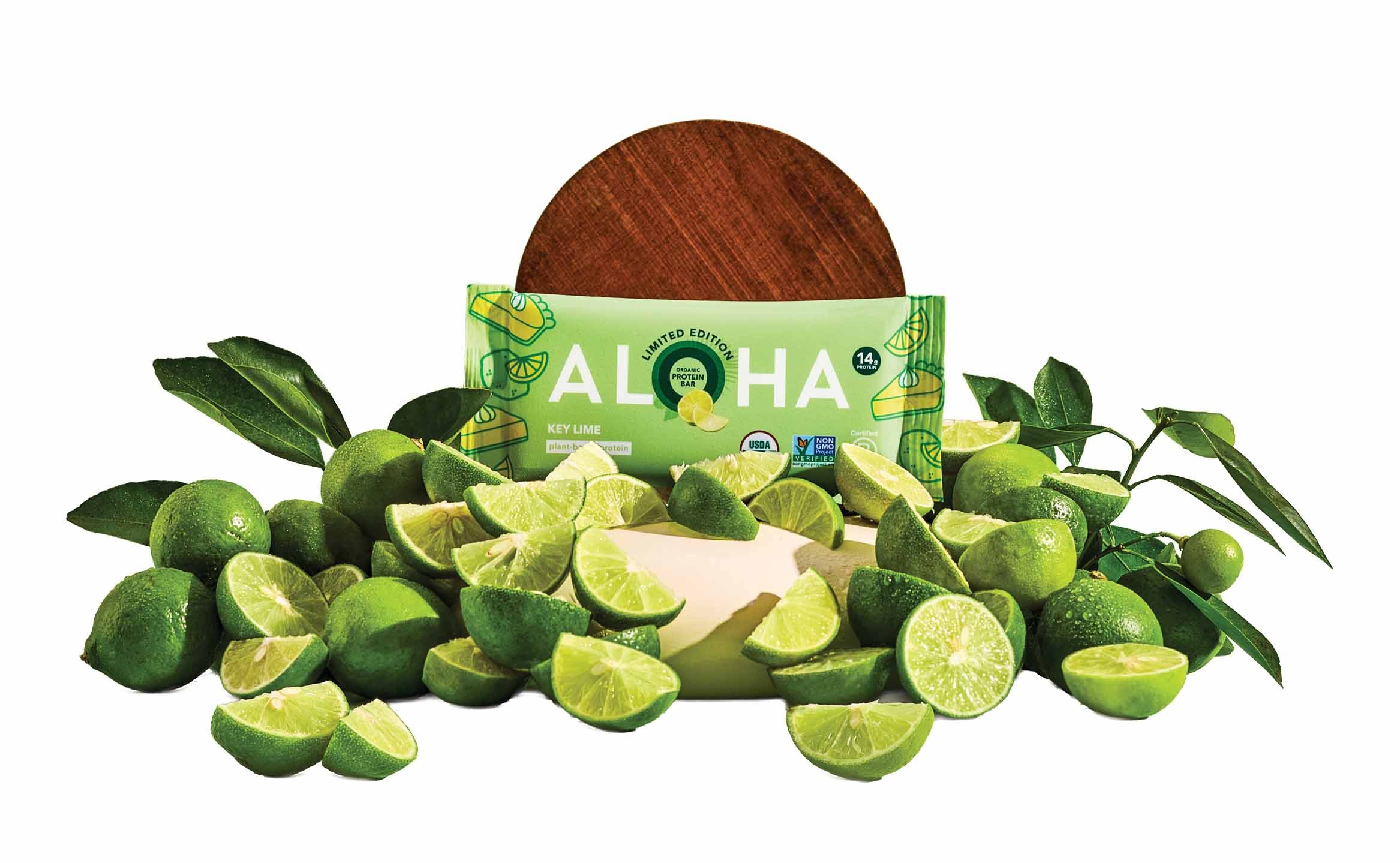
From snack bars and baked goods to pasta and sweet treats, a new generation of protein-forward foods is giving the once utilitarian nutrient a decidedly more polished and flavorful place in the pantry.
(Product photos courtesy brands.)
Once synonymous with shaker bottles, mealprep containers, and post-workout rituals, protein has entered the pantry in decidedly more polished forms, moving beyond powders and into enhanced pantry staples. Standard comfort foods, such as pasta, ice cream, yogurt, milk, chips, cookies, coffee and even candy bars, are being reimagined with a protein-packed twist. Yet, one must wonder whether these seemingly superior products are genuinely more nourishing, or whether clever marketing has simply given familiar junk food a masked wellness makeover.
Protein has rightfully earned its prime position in the wellness realm. It supports muscle repair, contributes to feelings of fullness, and plays an important role in maintaining our body’s tissues and functions. But does that mean every protein-enriched product lives up to the hype? Not quite.
However, protein is not a magic ingredient, nor does adding it to a food automatically make it healthy.
It’s essential to recognize that protein-enhanced does not necessarily mean nutritionally superior. Cottage cheese, yogurt, beans, lentils, eggs, dairy, fish, and other naturally protein-rich foods can be remarkably nutritious without any nutritional engineering. Protein chips are still chips. And protein ice cream, however enticing the packaging, may still contain considerable amounts of sugar, saturated fat, or other ingredients that make it more an indulgent dessert than an innocent health food.
In other words, adding protein to a food does not erase its nutritional baggage. A little protein dusting does not turn confectionery into a superfood.
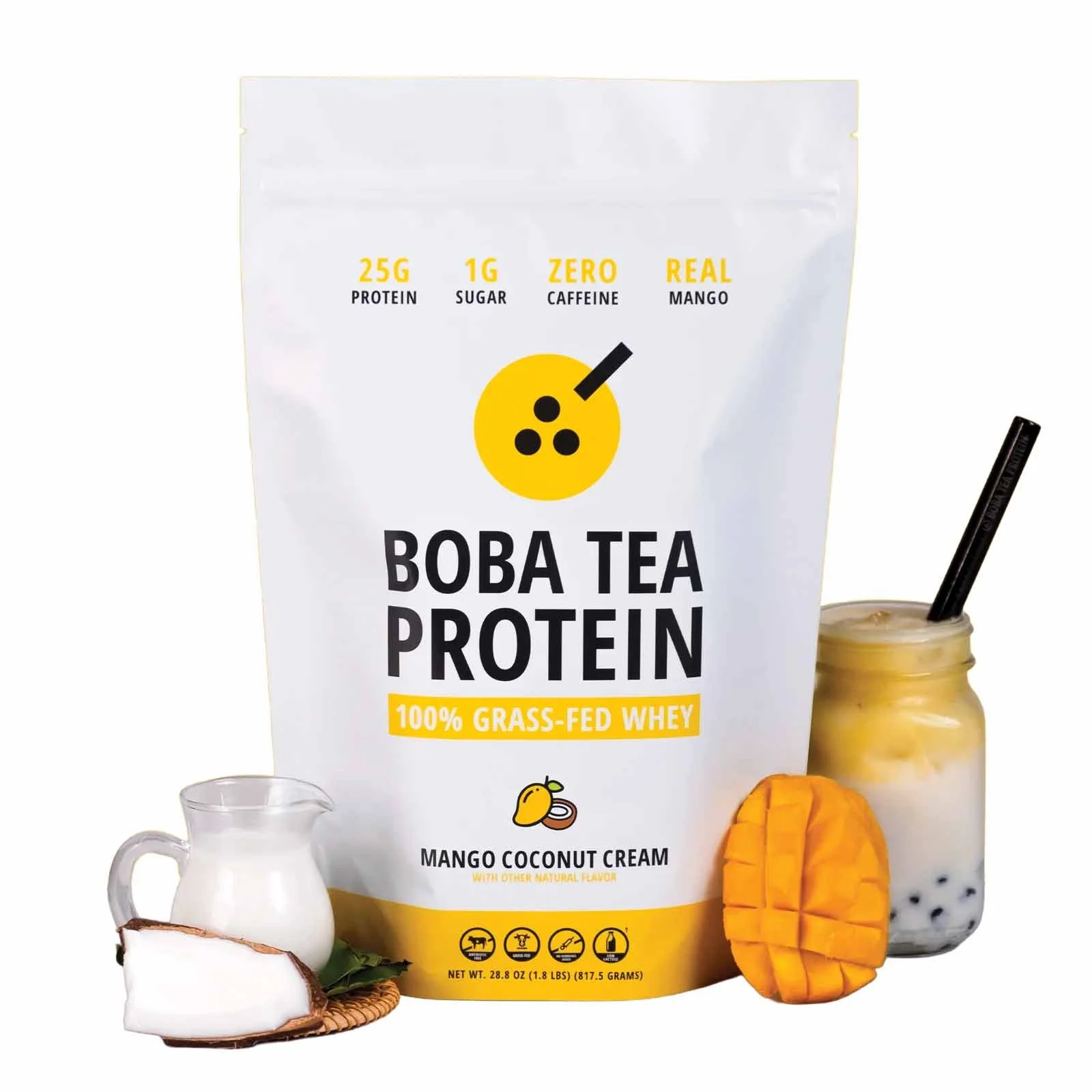
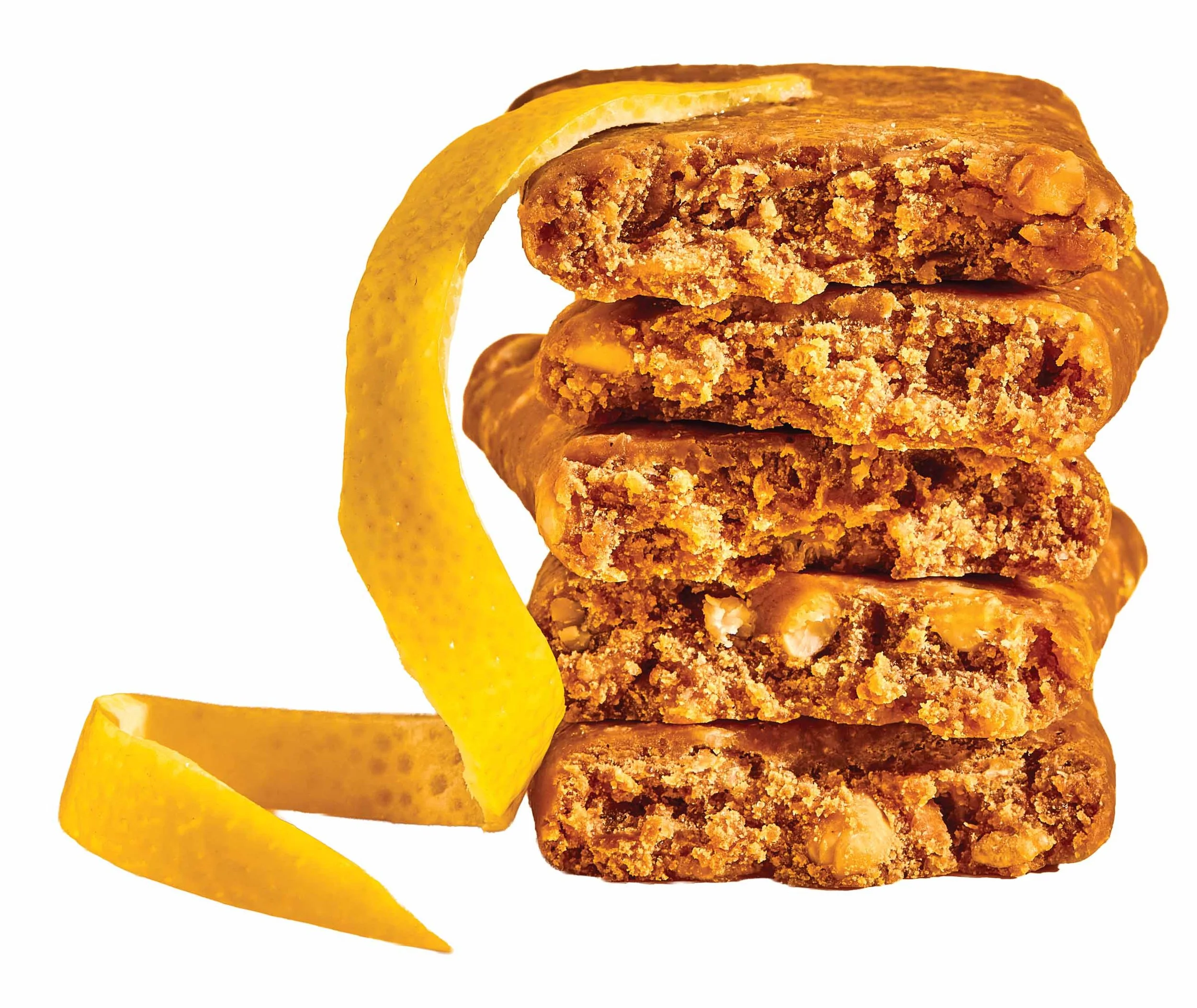
(Product photos courtesy brands.)
For most healthy adults, basic protein requirements can generally be met through a varied diet. However, athletes, older adults, and people following vegetarian or vegan diets may have more reason to pay close attention to protein intake. For many, protein is already hiding in plain sight: in beans, eggs, dairy, fish, meat, nuts, seeds, and whole grains.
If you are reaching for a protein-enhanced product, look beyond the prized “p-word” printed across the front of the package. How much additional protein are you actually getting — 15 grams or five? What comes with it? More sodium? More sugar? A longer ingredient list? Is the protein replacing something nutritionally valuable, or is it simply being added as a sales embellishment?
Protein-fortified foods aren’t necessarily faux wellness. They can genuinely provide more protein and, for some people, offer an appealing shortcut to meeting dietary goals. Whether that shortcut is worth taking depends on the rest of your diet.
If you’re tempted to explore the more glamorous side of the protein pantry, gourmet grocers and specialty markets are increasingly offering products that make the trend feel less clinical and more culinary. Siggi’s protein-packed Icelandic skyr, for example, brings substantial protein to the breakfast table, while protein ice creams (Halo Top) can offer
a more protein-rich interpretation of an indulgent dessert. Pasta brands, such as Banza, Kaizen, and Barilla Protein+, offer two to three times as much protein as traditional pasta, transforming a familiar staple into something with a more substantial nutritional profile.
Hawai‘i, meanwhile, has its own contribution to the protein edit. ALOHA’s organic, plant-based protein bars offer a convenient option made with organic ingredients, while Paniolo Gourmet’s premium beef jerky provides protein in a less fortified, more traditional form. Ahi jerky offers another island-inspired take on the same idea.
Ultimately, the most discerning approach to protein may be the simplest one: don’t choose a product merely because the word “protein” is printed in bold. Sometimes, the claim represents a meaningful nutritional upgrade. Other times, it is simply an invitation to pay a premium for the same indulgence in more virtuous packaging.
Whole foods remain the foundation of a good diet, and ingredients such as ‘ulu (breadfruit), macadamia nuts, beans, lentils, eggs and fish remind us that nutrition extends far beyond a single headline nutrient. They deliver a constellation of nutrients in their natural form.
Protein may be having its moment, but it needn’t have the last word. The smartest pantry is not the one with the most protein. It is the one where nourishment and pleasure coexist.
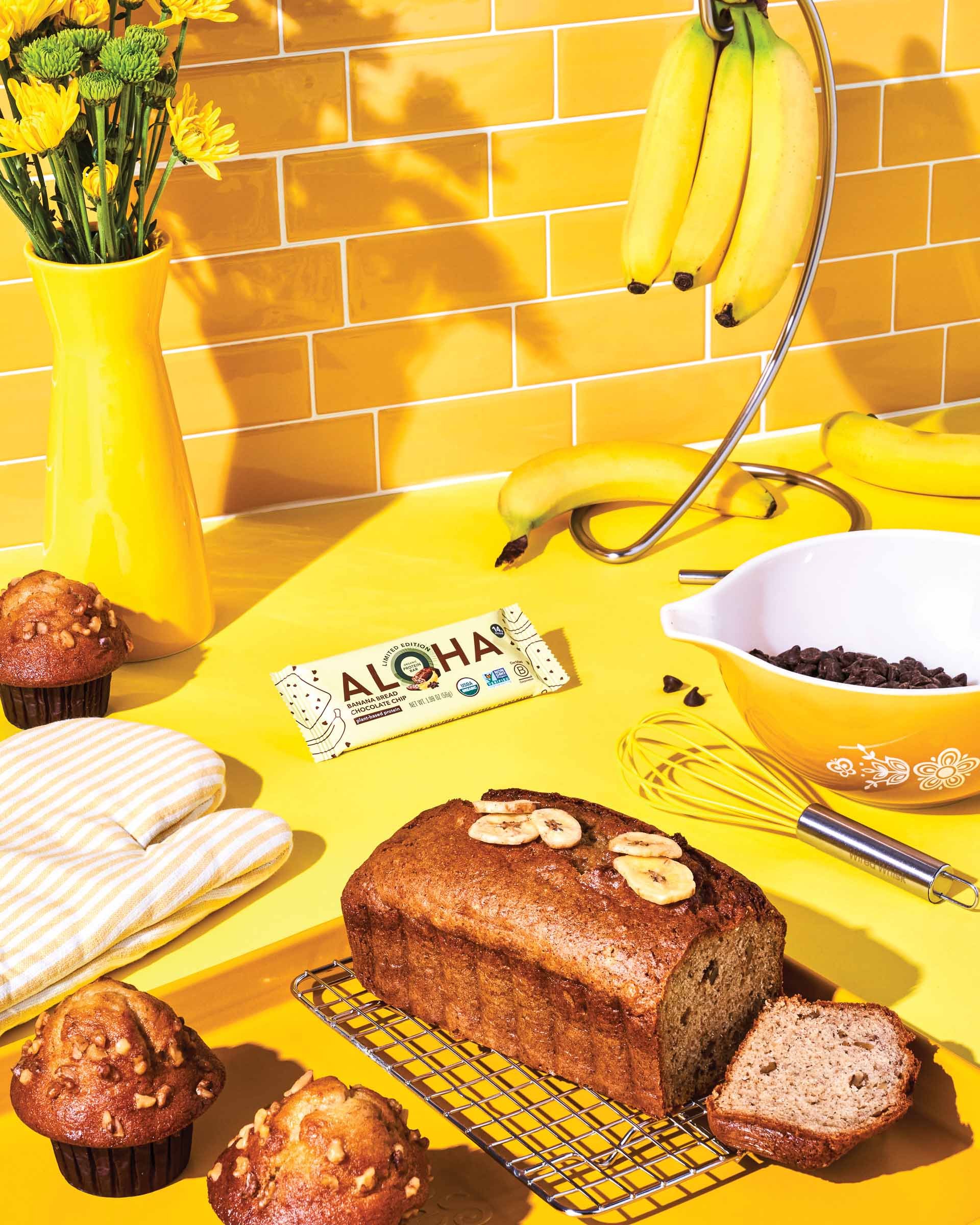
(Product photos courtesy brands.)