
Texas Hold 'Em
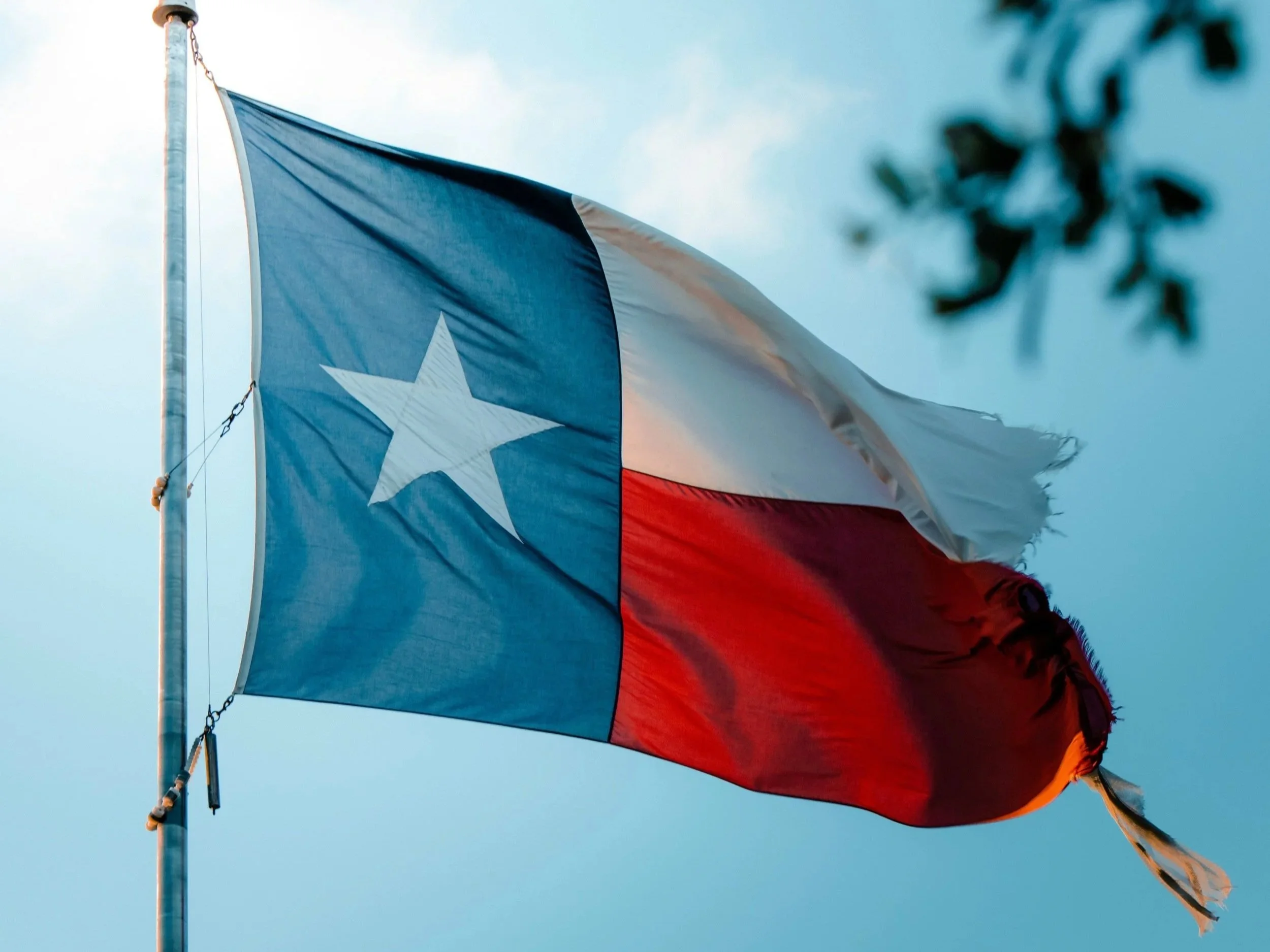
Shaped by innovation and industry, Texas has emerged as a cultural mosaic.
(Photo by Adam Thomas.)
Everything’s bigger in Texas, as the saying goes. But not all of it is in miles or ten-gallon hats. The Lone Star State’s true scale is better measured in ambition, character, and local pride. Once an independent republic, Texas carries a fiercely American heart that beats to its own rhythm. This is a state shaped by centuries of frontier courage and cowboy lore, yet propelled into the modern era by Silicon Prairie tech, a booming energy sector, and advanced manufacturing in everything from automotive to aerospace.
Today’s Texas is a melting pot of flavors, sights, and sounds: think Tex-Mex fusion cuisine, Western folk art, Tejano rhythms, country blues, and more. All woven into a cultural fabric that celebrates Mexican, German, and Southern heritage while shaping a 21st century identity. Go beyond the barbecues and belt buckles with an elegant road trip through Dallas-Fort Worth, Austin, San Antonio, and Houston.
Dallas and Fort Worth
Connected by 30 miles of suburbs, the sprawling metroplex of Dallas-Fort Worth may have different origin stories — Fort Worth began as a U.S. Army outpost, Dallas as a rail and commercial hub — but today they function less as a pair of cities than as a single, multifaceted destination.
The birthplace of global brands such as Neiman Marcus and Southwest Airlines, Dallas blends corporate ambition with a sense of style and vitality, from its thriving arts scene to championship sports teams to renowned Tex-Mex cuisine. Fort Worth, “where the West begins,” is a city that celebrates its rustic roots as a living culture featuring active cattle drives, rodeo shows, and museums that treat the American West as both heritage and high art.
In the heart of Dallas’ arts district, the Dallas Museum of Art offers free general admission to its 25,000-plus works, including those by masters like O’Keeffe, Monet, and van Gogh. Next door, the Renzo Piano-designed Nasher Sculpture Center is a tranquil home for Raymond and Patsy Nasher’s world-class collection of modern and contemporary sculptures, where pieces by Picasso and Matisse can be discovered amid an indoor-outdoor garden setting.
A short drive away is the Sixth Floor Museum at Dealey Plaza, located in the former Texas School Book Depository. The galleries trace the events leading up to President John F. Kennedy’s fateful visit to Dallas in 1963. The exhibition culminates on the building’s sixth floor, where Lee Harvey Oswald is believed to have fired one (or multiple?) bullets, a mystery that continues to draw both careful historians and conspiracy theorists. From the window, visitors can look down — past the grassy knoll — to an unofficial white X painted on Elm Street that marks the spot where Kennedy was killed more than 60 years ago.
From visual art, it’s a short leap to another type of craft. At Blackland Distillery, in Fort Worth’s Foundry District, guests can tour the operation and taste a lineup of spirits including rye whiskey and Texas pecan brown sugar bourbon, all made with corn, rye, and wheat grown on local Texas farms. It’s a grain-to-glass approach led by Fort Worth native and lawyer-turned-distiller Markus Kypreos.
To try Blackland’s offerings in cocktail form, head to Bowen House on Boll Street. Built inside a historic Victorian home (and formerly Ahab Bowen, a vintage shop), elegant cocktails like Hunny & Clyde, made with Barr Hill Tom Cat gin, amaro, herbs, and florals, match the bar’s distinguished vibe.
Don’t drink on an empty stomach! Across the Trinity River, the rustic wine bar Taco y Vino offers Mexican-inspired dishes such as stuffed catfish jalapenos, tuna crudo tostadas, spicy chicken tinga tamale bites, and more.
If you’ve got a taste for one-of-a-kind barbecue, Smoke’N Ash is an award-winning Ethiopian smokehouse that fuses Texas BBQ with Berbere spice and African flavors. From smoked doro wat (chicken stew) to awaze glazed brisket, Tex-Ethiopian is quickly making a name for itself in Dallas-Fort Worth.
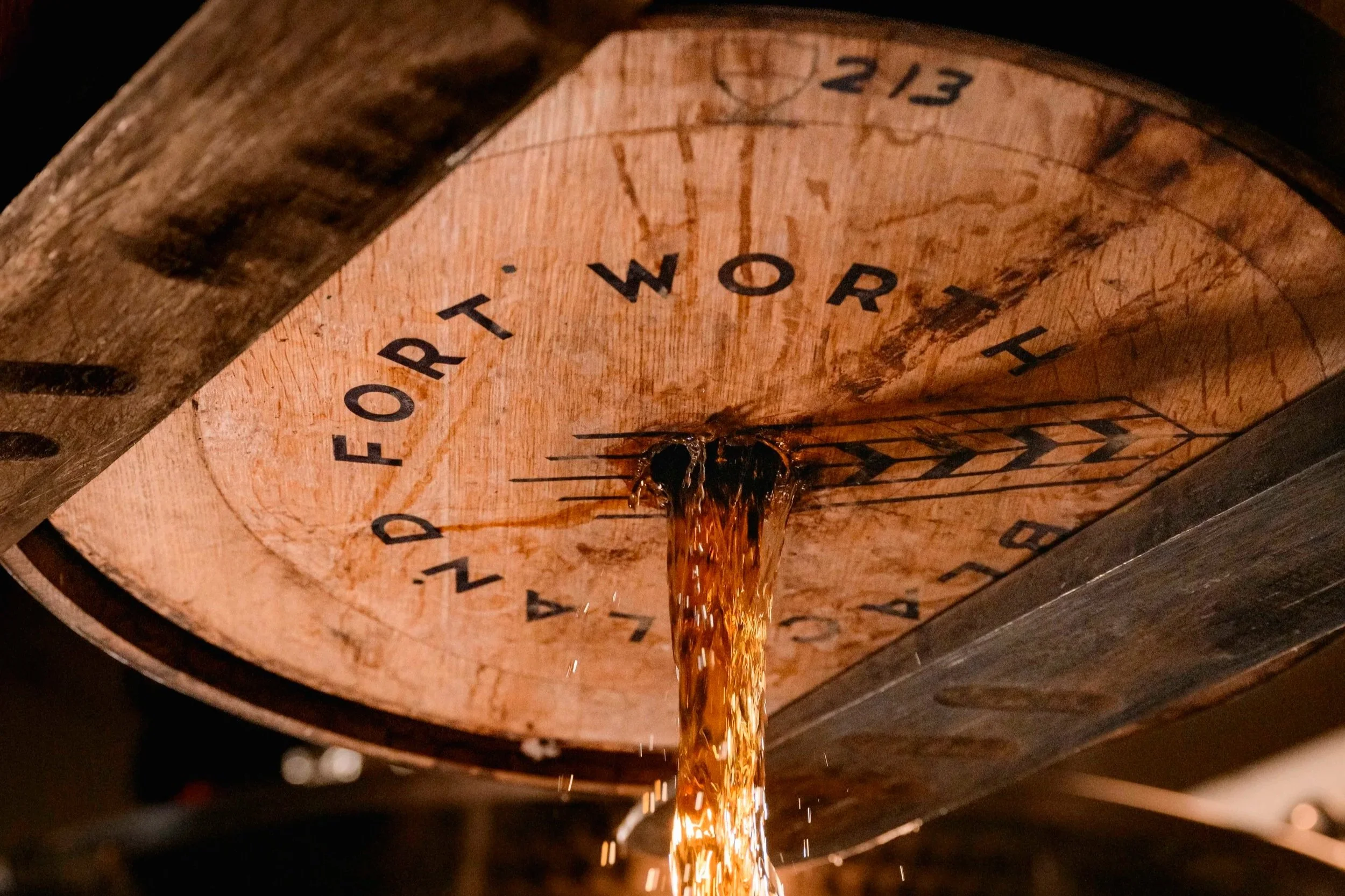
Blackland Distillery is a grain-to-glass approach led by Fort Worth native and lawyer-turned-distiller Markus Kypreos.
(Photo courtesy Blackland Distillery.)
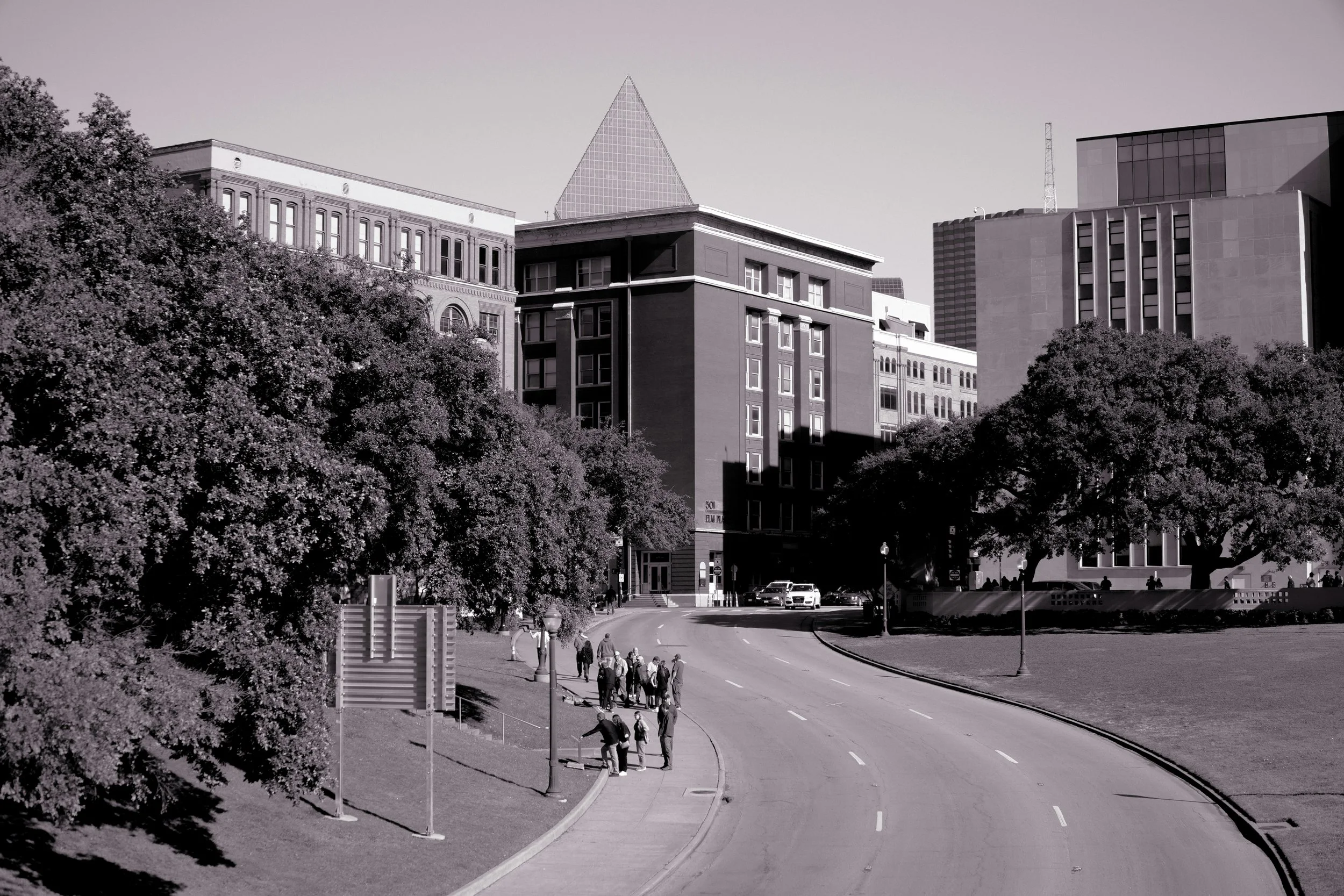
From the windows of the Sixth Floor Museum at Dealey Plaza, visitors can look down on Elm Street and trace trace the events leading up to President John F. Kennedy’s fateful visit to Dallas.
(Photo by Jake Kling.)
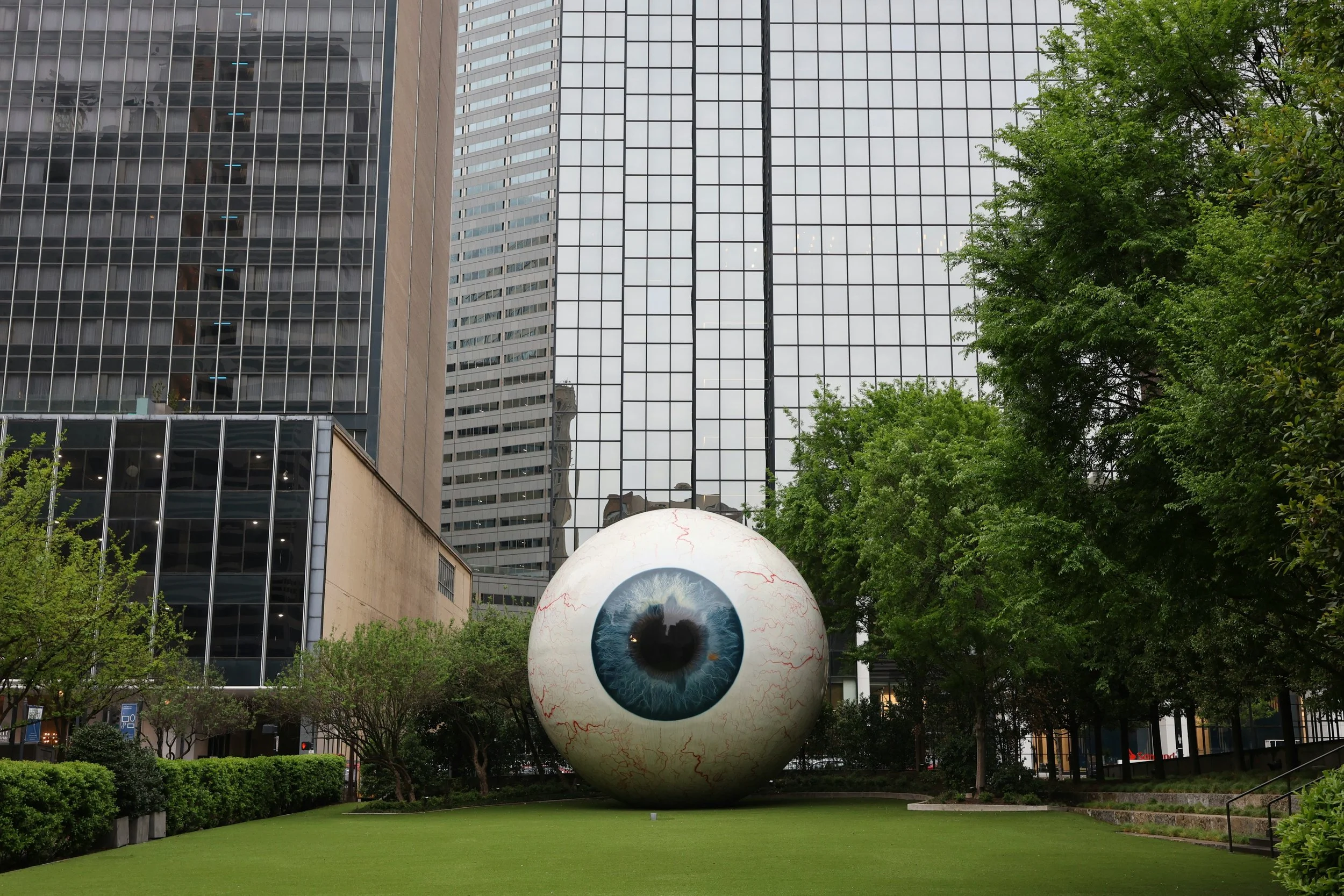
Here’s looking at you, kid: See artist Tony Tasset’s 30-foot tall fiberglass eye sculpture in downtown Dallas, across from the Joule Hotel.
(Photo by Scott Greer.)
Keep Austin Weird
Part state capitol, part tech hub, Austin pulses with an eclectic energy. Here, locals celebrate creativity and a strong sense of place, whether at landmark events such as SXSW and the Austin City Limits Festival, embracing the great outdoors along Lady Bird Lake, or witnessing nightly spectacles. (Like the thousands of bats taking flight at dusk from beneath the Congress Avenue Bridge each spring through fall.) For a place whose mantra is “Keep Austin Weird,” this city has earned the title.
For wonderful weirdness, South Congress Avenue features a diverse assortment of vintage boutiques and funky hangouts. Originally designed to be a distinguished thoroughfare by Austin’s first mayor Edwin Waller in the 1930s, the neighborhood today is an essential destination for locally owned small businesses. Go antique shopping at Monkies Vintage & Thrift or peruse eclectic works at the Mexic-Arte Museum.
The self-described “greatest western wear store there is,” Allens Boots has served the Austin community since 1977 with boots, hats, jeans, and more. You can’t miss Allens on South Congress — just look for the giant red boot above the entrance on South Congress. These boots are made for walking over to the Texas State Capitol, the largest state capitol building in the country. Rising 14 feet taller than the U.S. Capitol, the building is constructed from Sunset Red granite that casts a pretty pink hue. Just a few blocks north, the Bullock Texas State History Museum also features larger-than-life attractions, including the shipwreck of La Belle, a 17th century French frigate that runs 50 feet long; and a 30-foot tall bronze star out front in honor of Texas’ nickname as the Lone Star State.
If all this ambling around has worked up your appetite, head to Odd Duck. Born in 2009 as a food trailer committed to cooking only with ingredients from nearby Austin farms, it has since matured into an acclaimed brick and mortar in Zilker without abandoning its devotion to local producers. Odd Duck’s menu rewards curiosity: redfish ceviche in a coconut lemongrass broth with sweet potato; pork belly chalupas piled with refried peas, Oaxaca cheese, green tomato, and salsa macha; and fried quail that arrives crisp, balanced by salsa cremosa and apple chutney.
Head across the Lamar Boulevard Bridge for a nightcap at Better Half Coffee & Cocktails; try the Palo Duro, built on Desert Door sotol (a Mexican spirit distilled from the desert spoon plant) with ginger, turmeric, carrot, lime, and finished with yukari salt and Thai basil. (If you’re hungover tomorrow, you can also return for weekend brunch — Better Half’s peach cobbler French toast cures all ails — served until 3 p.m.)
To make it a double, slip into Midnight Cowboy on Sixth Street, previously the home of Midnight Cowboy Modeling Oriental Massage, a brothel that masqueraded as a massage parlor for more than 30 years until getting busted by the FBI in 2011. “You know what you want, and you aren’t afraid to ask for it,” reads the description on the King of Cups (made with seven-year Jim Beam, ruby port, bitters, and applewood smoke), one of the tarot-inspired cocktails on this season’s “Arcana” menu.
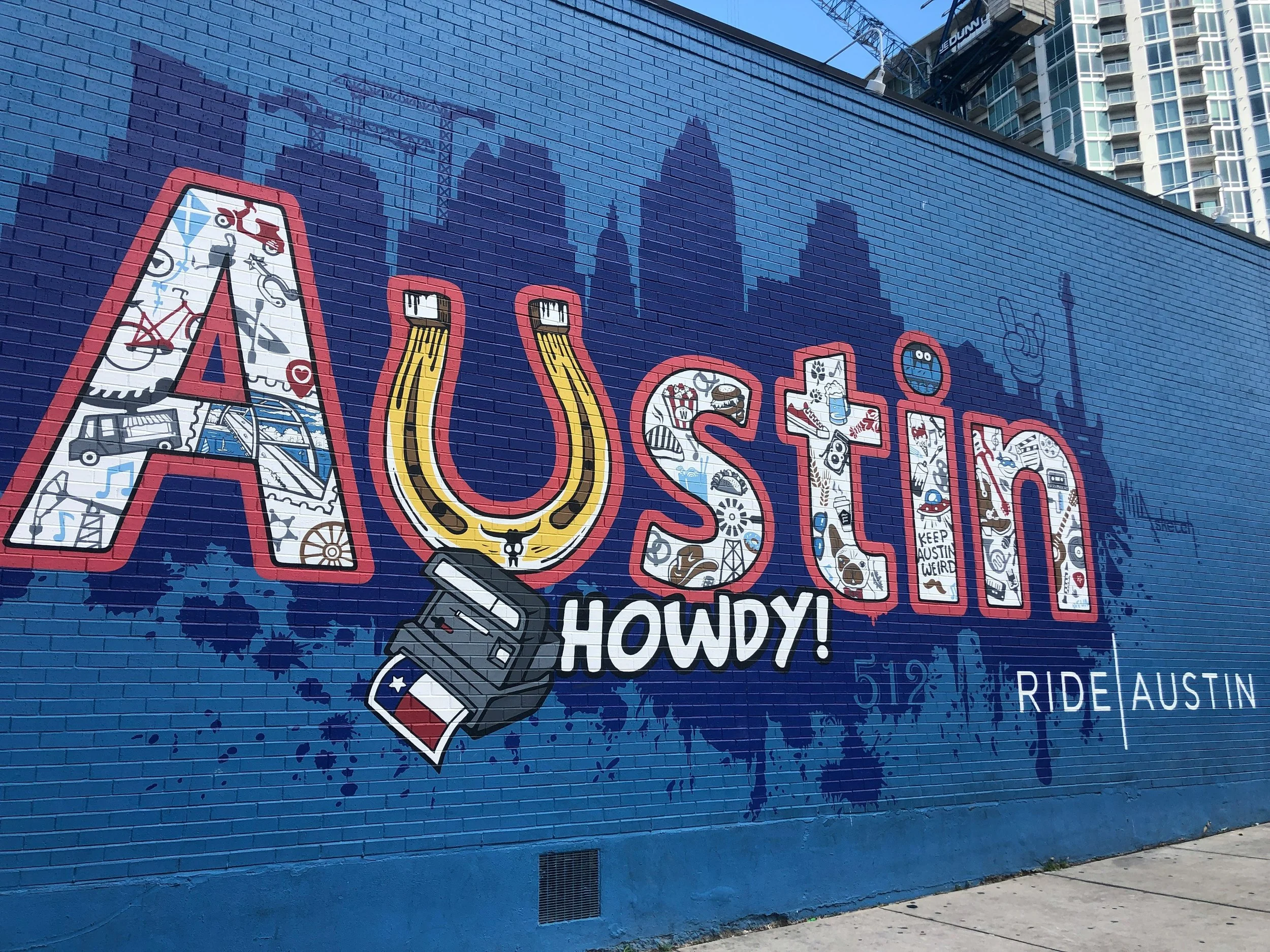
(Photo by Florence Jones.)
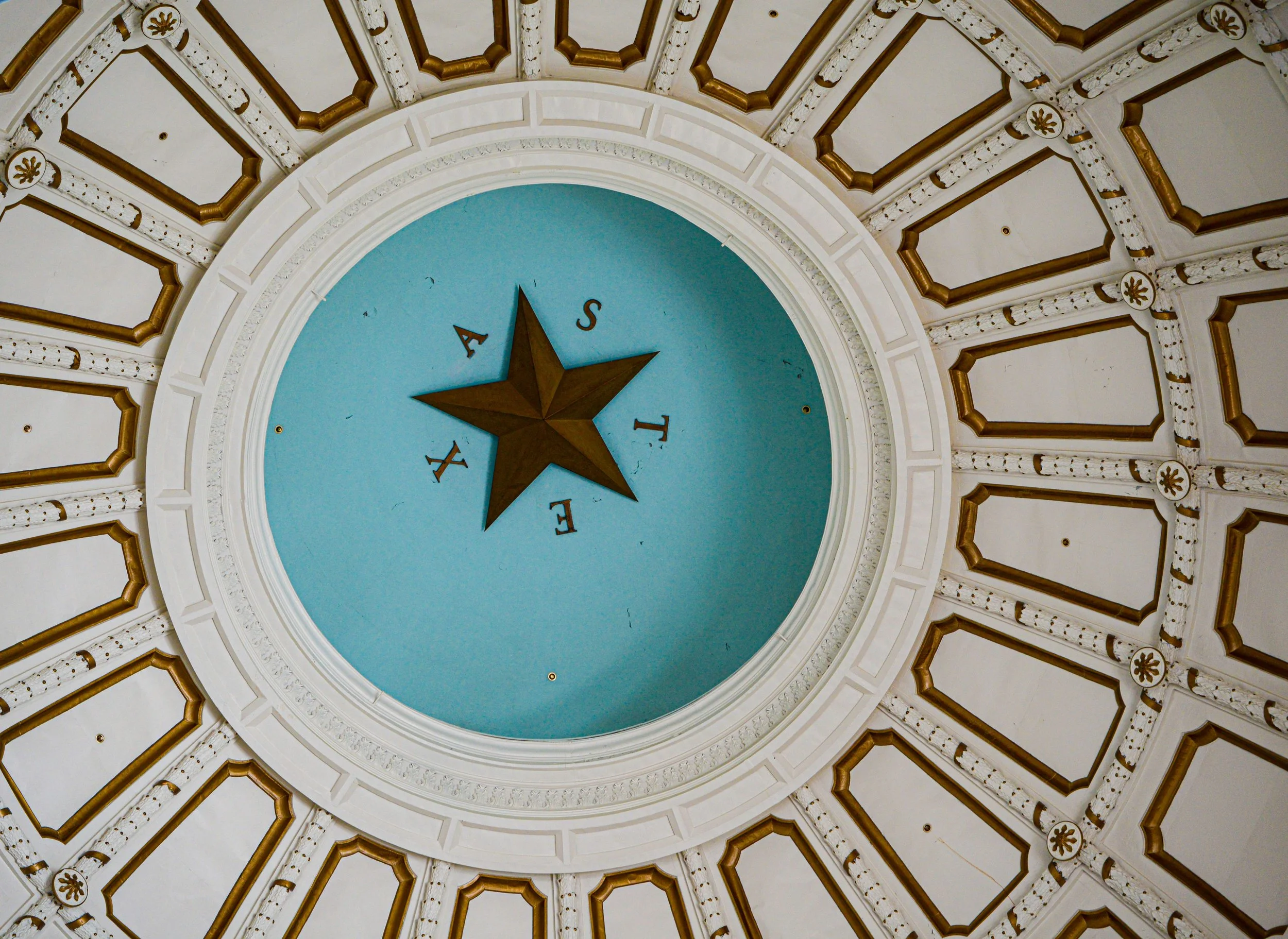
(Photo by Pete Alexopoulos.)
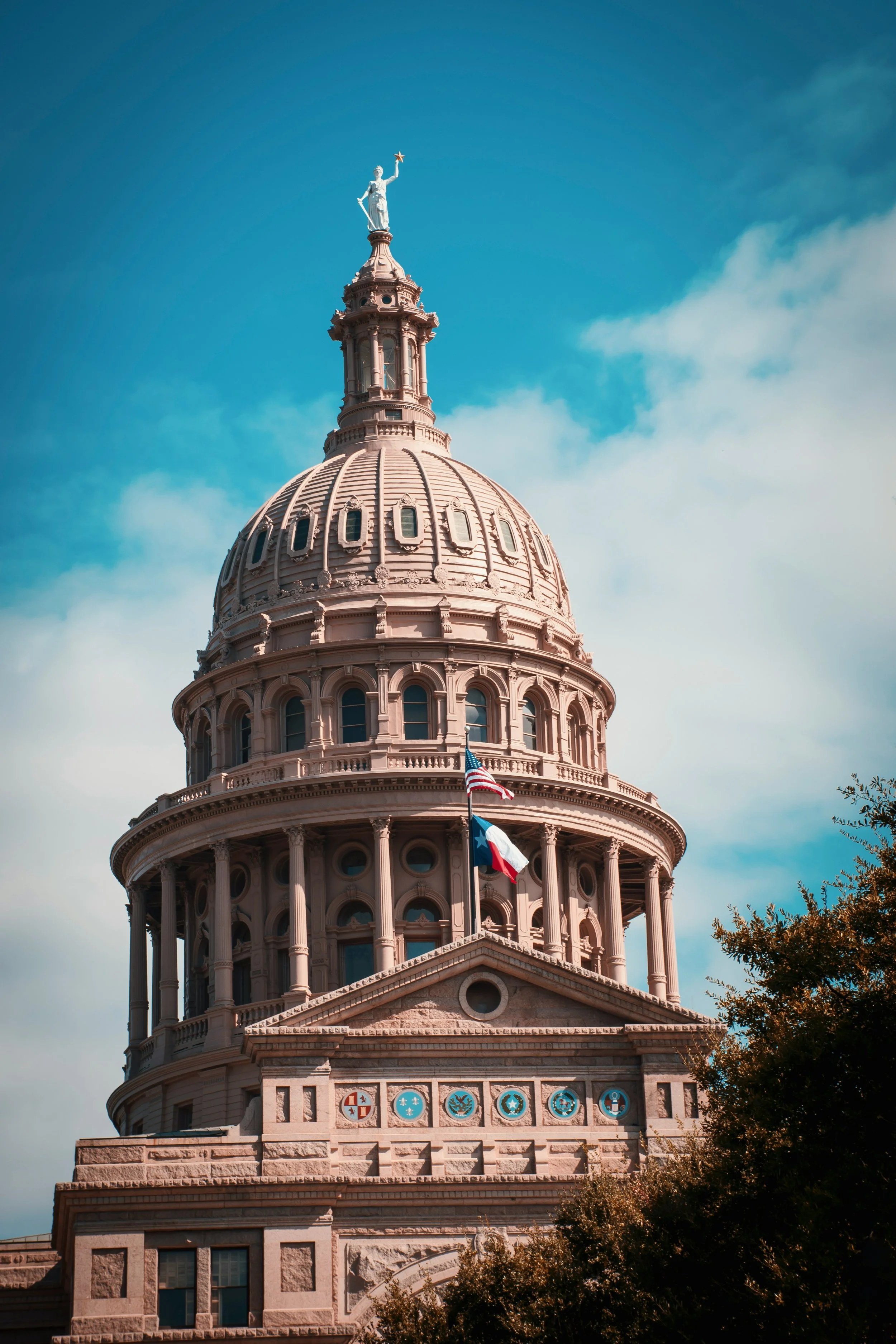
Rising 14 feet taller than the U.S. Capitol, the Texas State Capitol is the largest state capitol building in the country and constructed from striking Sunset Red granite.
(Photo by Gabriel Tovar.)
Down in San Antone
Remember the Alamo (along with Spanish colonial missions and other UNESCO World Heritage Sites) in San Antonio, which has long been shaped by a proud blend of Mexican, German, and Anglo cultures. This festive town has a small-town heart and brings its history to life in events year-round, from the century-old Fiesta San Antonio filled with costumes and parades to St. Patrick’s Day, when the River Walk is dyed a vibrant emerald green each year.
At the heart of San Antonio’s history stands the Alamo, the city’s most famous landmark. This modest church and surrounding grounds mark the site of a pivotal (and deeply contested) 1836 battle between Texian defenders and the Mexican Army, an event later mythologized as a rallying cry for the forces that would defeat Santa Anna at San Jacinto and secure Texas’ independence weeks later.
To shift from solemn history to something more leisurely, follow the current of the San Antonio River Walk, a lush urban park of shops and cultural spaces built atop a functional flood-control system. There’s plenty to see, do, and eat here, but for more elevated fare, head north to Cullum’s Attaboy off St. Mary’s strip. This charming ‘50s-inspired diner elevates classic fare with luxury ingredients like caviar and truffles. Standouts include champagne-butter poached scallops, brisket eggs benedict, and duck bigerade (a dish similar to duck l’orange). Real ones know to order a bump of caviar and a shot for just $11 to start your day off right.
For dinner, head to Isidore, named for the Catholic saint of farmers where chefs Jorge Hernandez and Danny Parada blend San Antonio-grown veggies, Gulf seafood, and dry-aged meats with thoughtful cocktails and Texas wines. Dishes such as dry-aged Berkshire pork chops with embered eggplant, mesquite mole and hoja santa, or fish cheek bagna cauda with sourdough, shallots, and autumn greens have earned Isidore Michelin recognition for good reason.
After dinner, visit The Moon’s Daughters, inspired by the Greek goddess of the moon who you can almost see from the bar’s striking rooftop views atop the Thompson San Antonio. Sip equally mythical cocktails, from the banana- and rosewater-tinged Mythos & Minuet to Persephone’s Wish, a mix of bourbon, pomegranate, Skinos liqueur, sherry, beet, honey, and ginger beer.
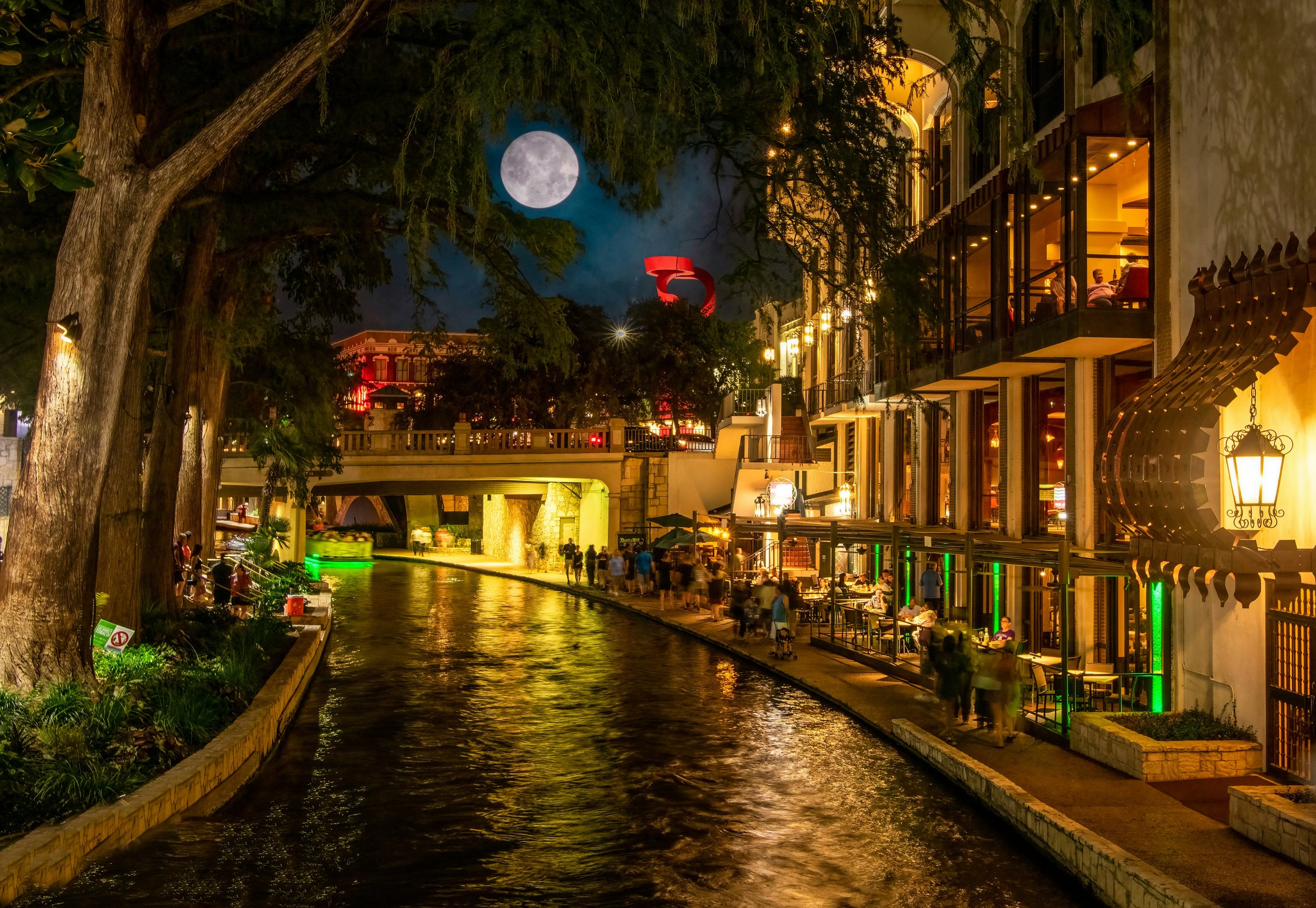
Houston’s San Antonio River Walk is a lush urban park of shops and cultural spaces built atop a functional flood-control system.
(Photo by Pete Alexopoulos.)
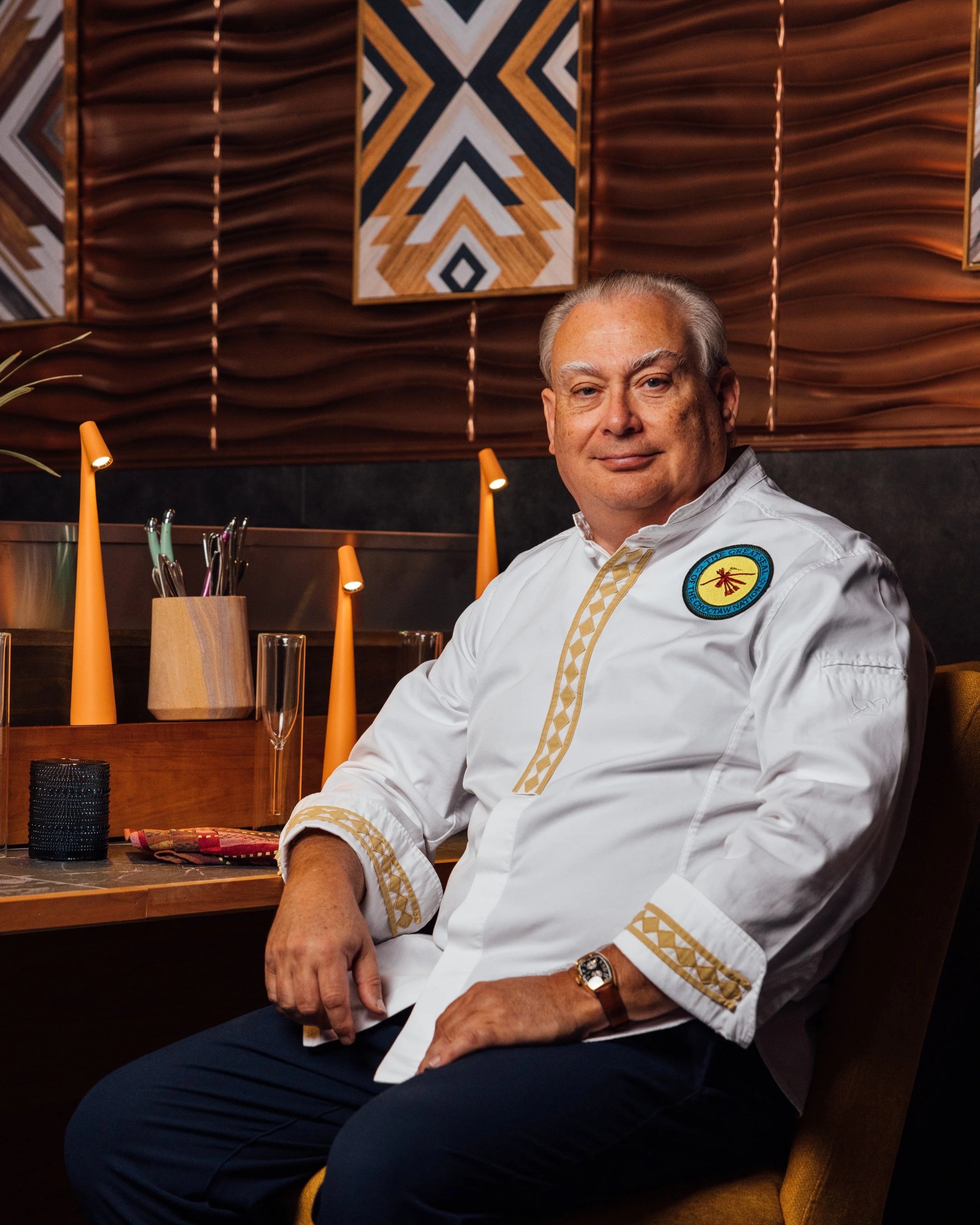
Located about 45 minutes outside Houston in Kemah, Choctaw chef David Skinner’s restaurant Ishtia offers a multi-course Indigenous tasting menu that traces the heritage of the area.
(Photo credit: JIA Media / © ISHTIA)
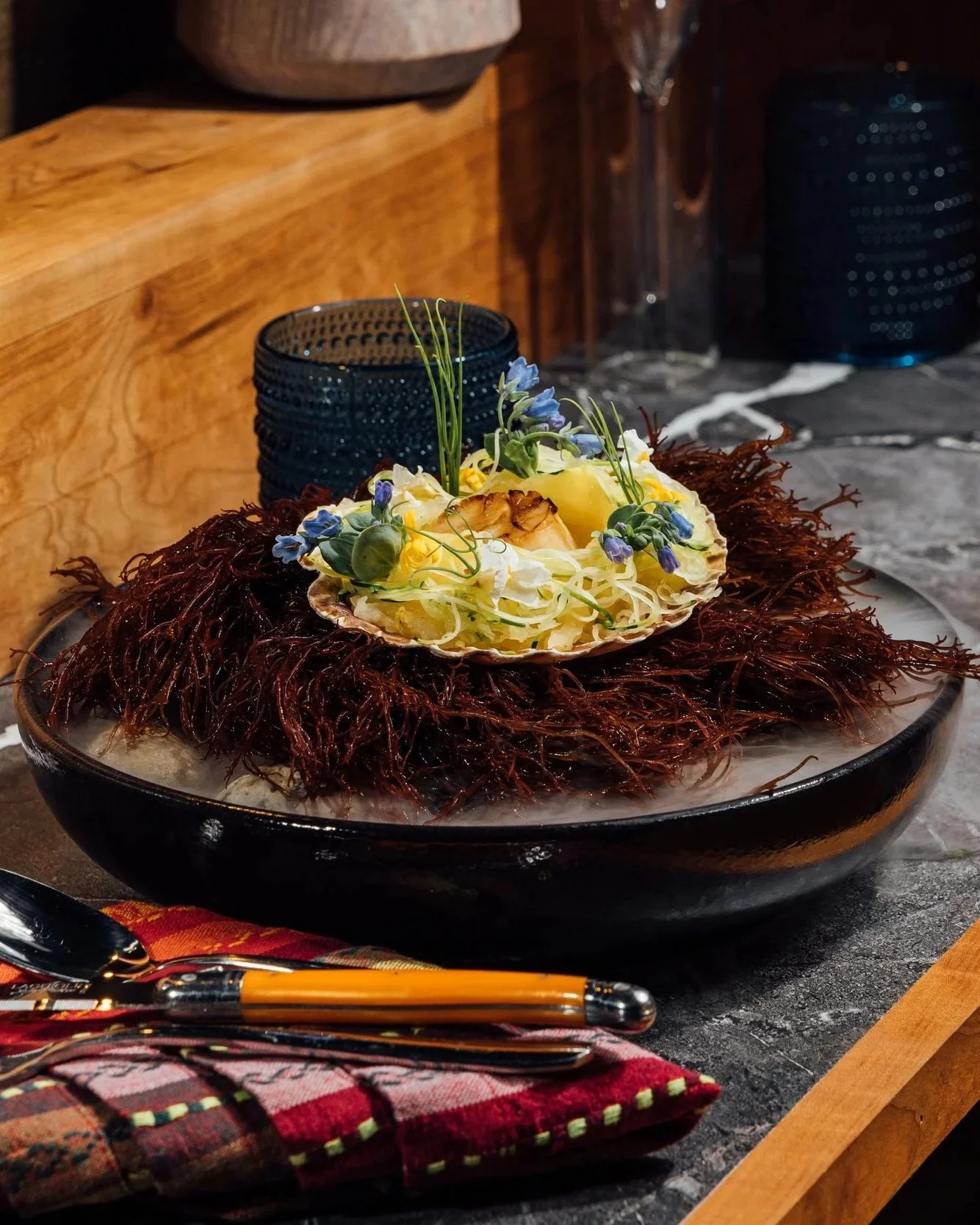
At Ishtia, scallops are paired with the “Three Sisters” of squash, corn, and beans.
(Photo credit: JIA Media / © ISHTIA)
Space City
Houston is known as much for its status as a space-exploration hub and energy capital as for its sprawling cultural tapestry. The city’s identity is shaped by waterways and bayous along with a vibrant immigrant heritage that fuels both a formidable culinary scene and a thriving arts ecosystem. Houston’s social calendar reflects that diversity, from the Houston Livestock Show and Rodeo, one of the largest rodeos in the world, to the Houston Art Car Parade, a rolling showcase of elaborate mobile sculptures.
One of the most distinctive ways to taste that heritage is through a multi-course Indigenous tasting menu at Ishtia. Located about 45 minutes outside Houston in Kemah, the restaurant showcases Choctaw chef David Skinner’s thoughtful cuisine, with dishes including tanchi nihi champuli (corn and chocolate); scallops paired with the “Three Sisters” of squash, corn, and beans; and a smoked trout timbale served with wild manoomin rice.
For a bite closer to town, Le Jardinier offers a more refined counterpoint. This Michelin-starred French restaurant is known for seasonal menus that are vegetable-forward — think endive salads, braised sunchokes, and creamy risotto. As a bonus, it’s located inside the Museum of Fine Arts, Houston, one of the top ten largest museums in the country with close to 80,000 works on display, from Frida Kahlo to Yayoi Kusama.
Of all its museums, Houston is probably best known for Space Center Houston, the official visitor’s center of NASA’s Johnson Space Center. This is the city, after all, where President John F. Kennedy delivered his 1962 “We choose to go to the Moon” speech, committing the nation to landing astronauts on the lunar surface before the decade’s end. Today, Space Center Houston offers an immersive look at that legacy, with flown spacecraft, moon rocks, and tours that go behind the scenes of mission control and astronaut training facilities.
For a different kind of blast from the past, head to Plume, an Art Deco-inspired cocktail bar. It’s the one filled with plush booths, whimsical checkerboard patterns, and gleaming gold palms. Enjoy out-of-this-world cocktails like 5 Star Baby, a bright tropical mix of reposado tequila, peach, amaro, lemon, and pineapple. Located just two blocks north from lively 20th Street in the Heights, it’s an easy stop before (or after) another round out.

Poached shrimp, herb pistou, marinated tapioca, brandy cocktail sauce, tomatoes at Le Jardinier.
(Photo by Brian Kennedy and courtesy of Le Jardinier.)
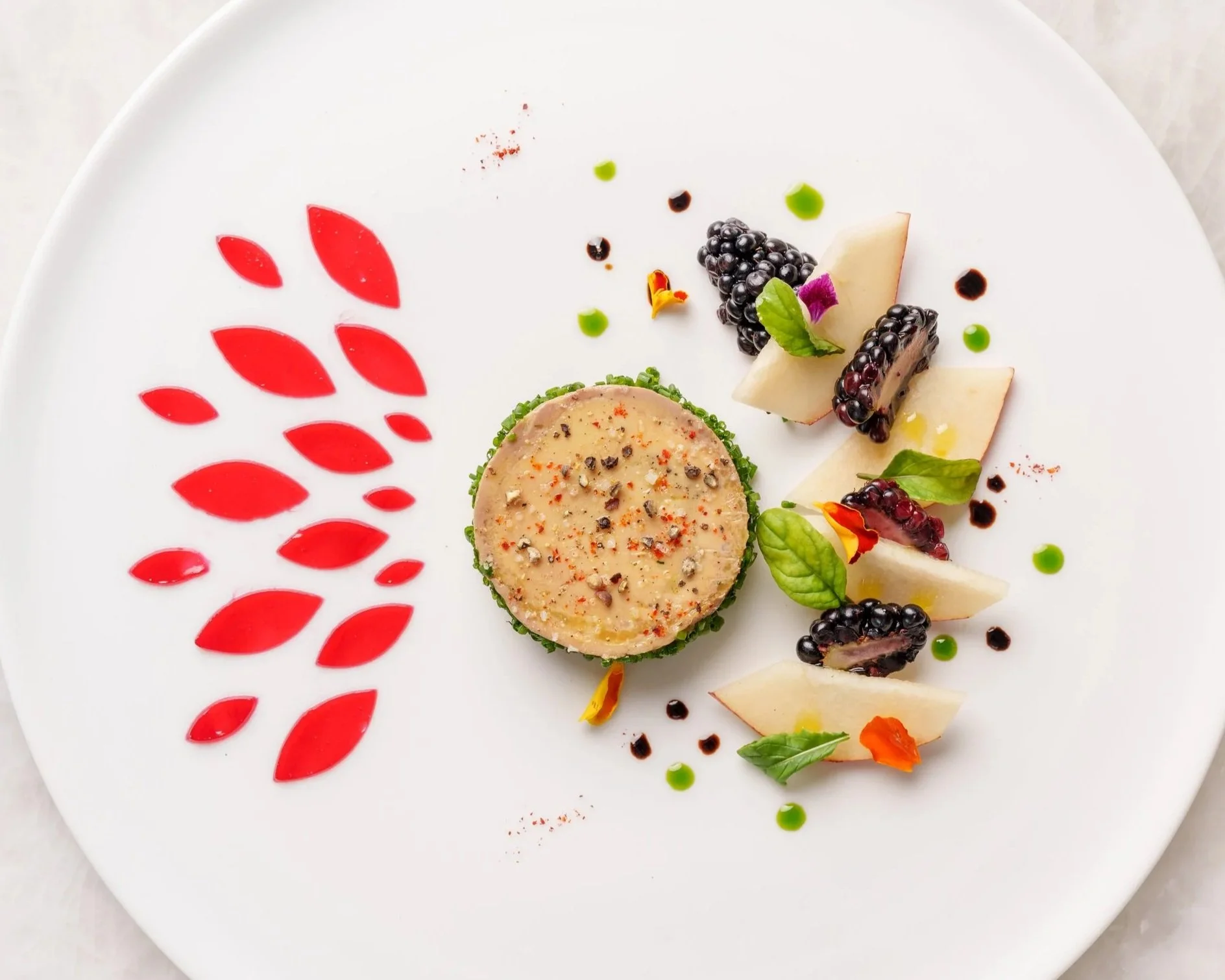
Foie gras torchon, red fruit reduction, pear and figs, and grilled brioche at Le Jardinier.
(Photo by Brian Kennedy and courtesy of Le Jardinier.)
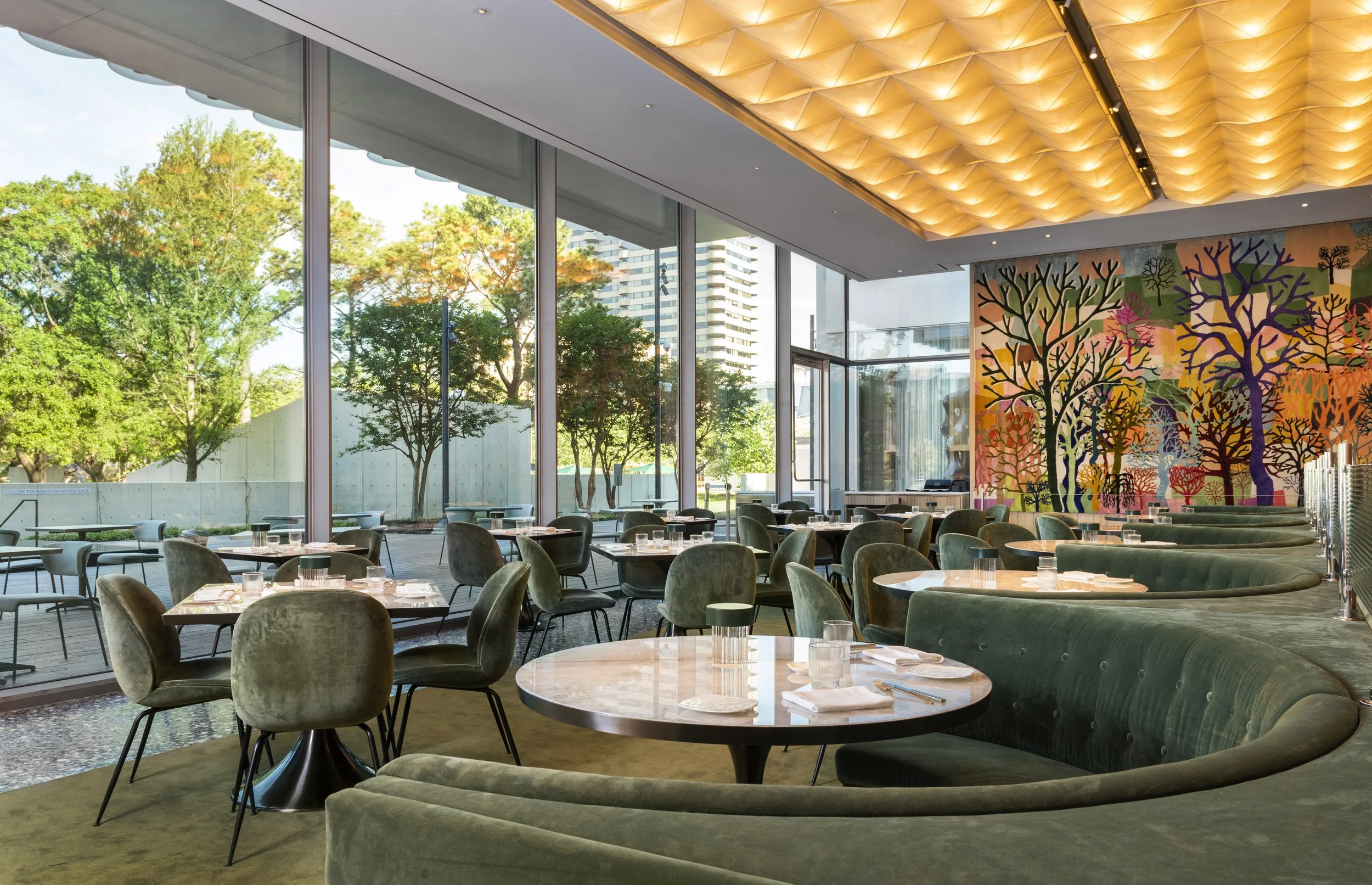
(Photo by Brian Kennedy and courtesy of Le Jardinier.)