
Hero’s Journey
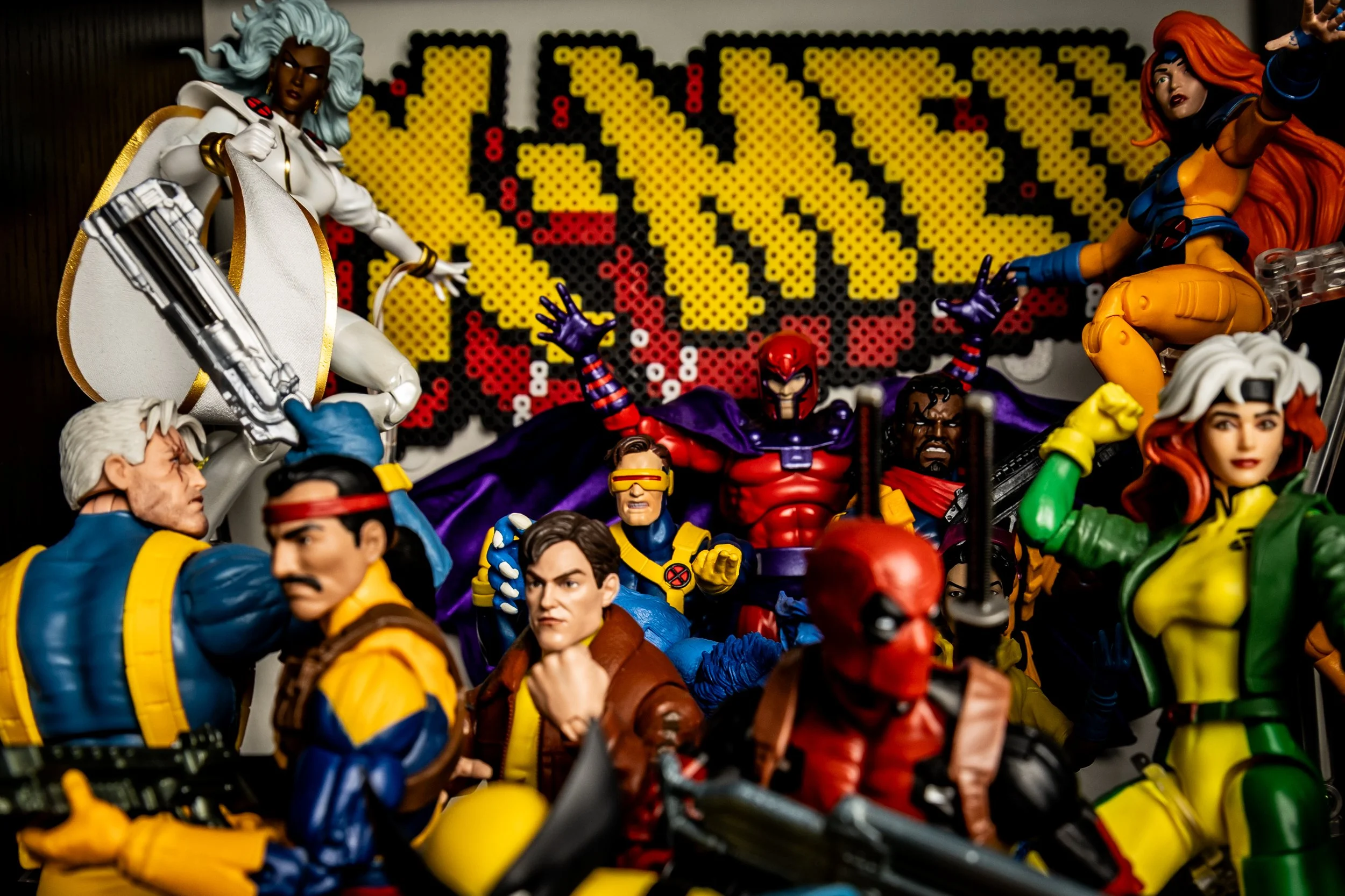
BAM! POW! Jayson Semetara’s colorful collection of comic action figures, from the Justice League to the X-Men and beyond, represent great power and even greater heart.
(Photos by Brandon Miyagi.)
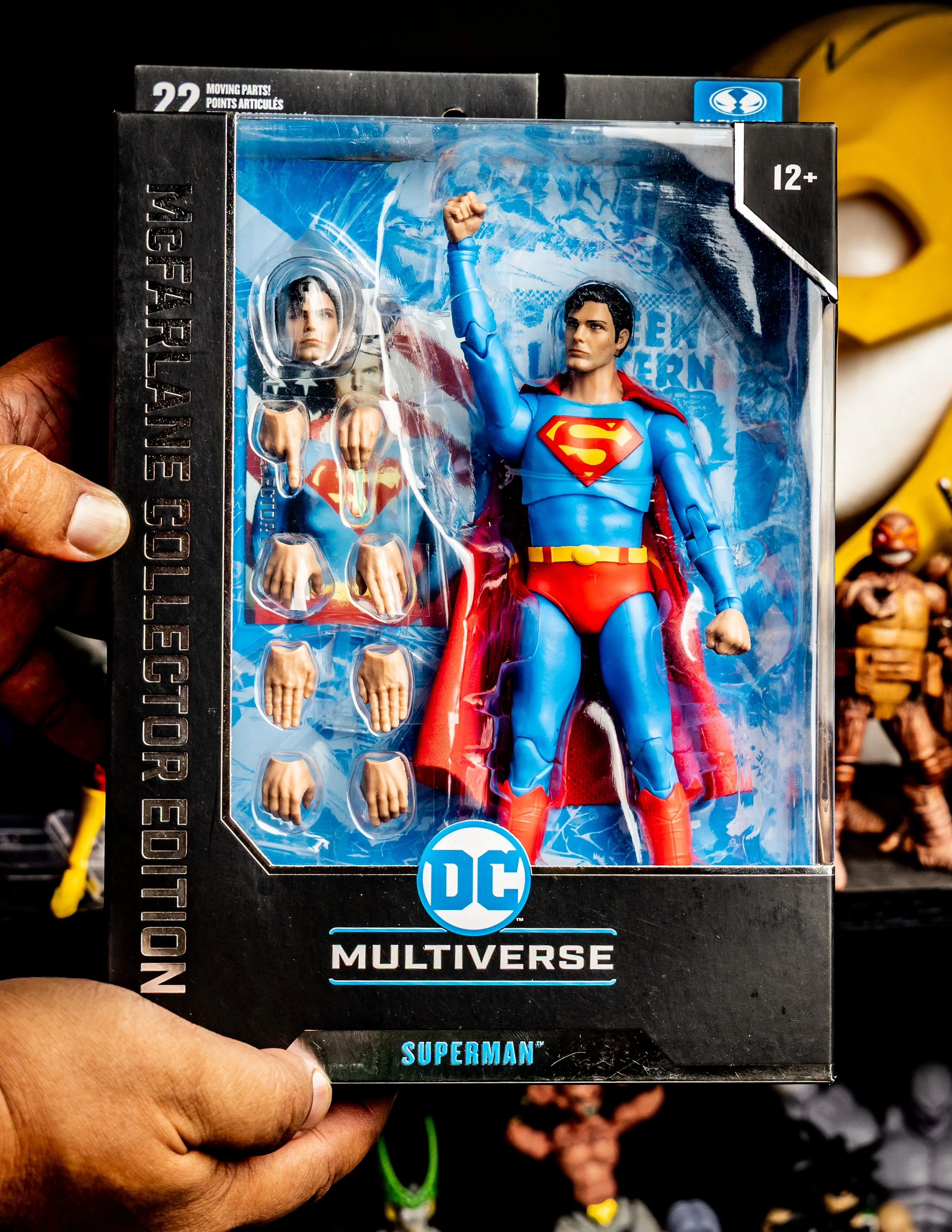
In a Kaka‘ako loft, Superman stands watch on a shelf.
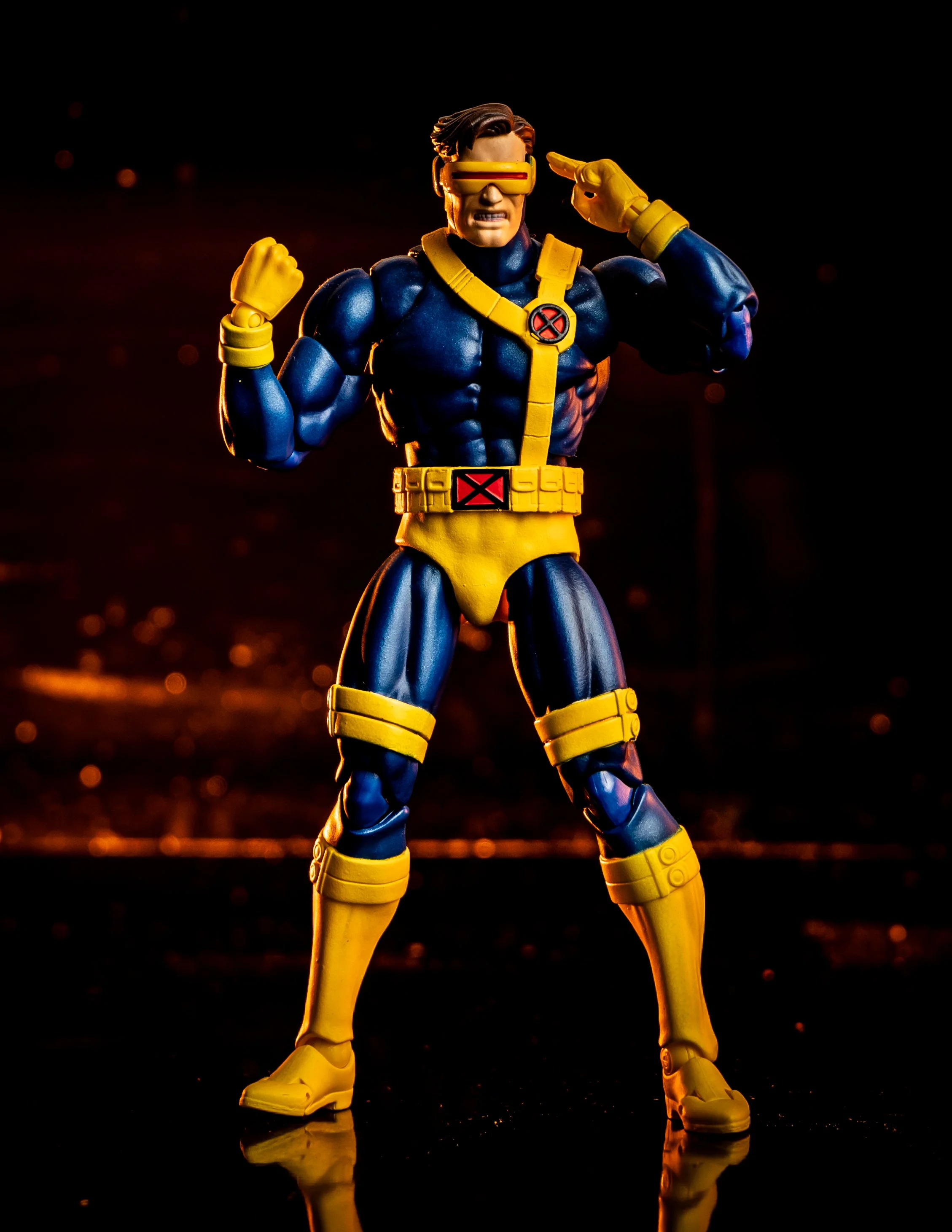
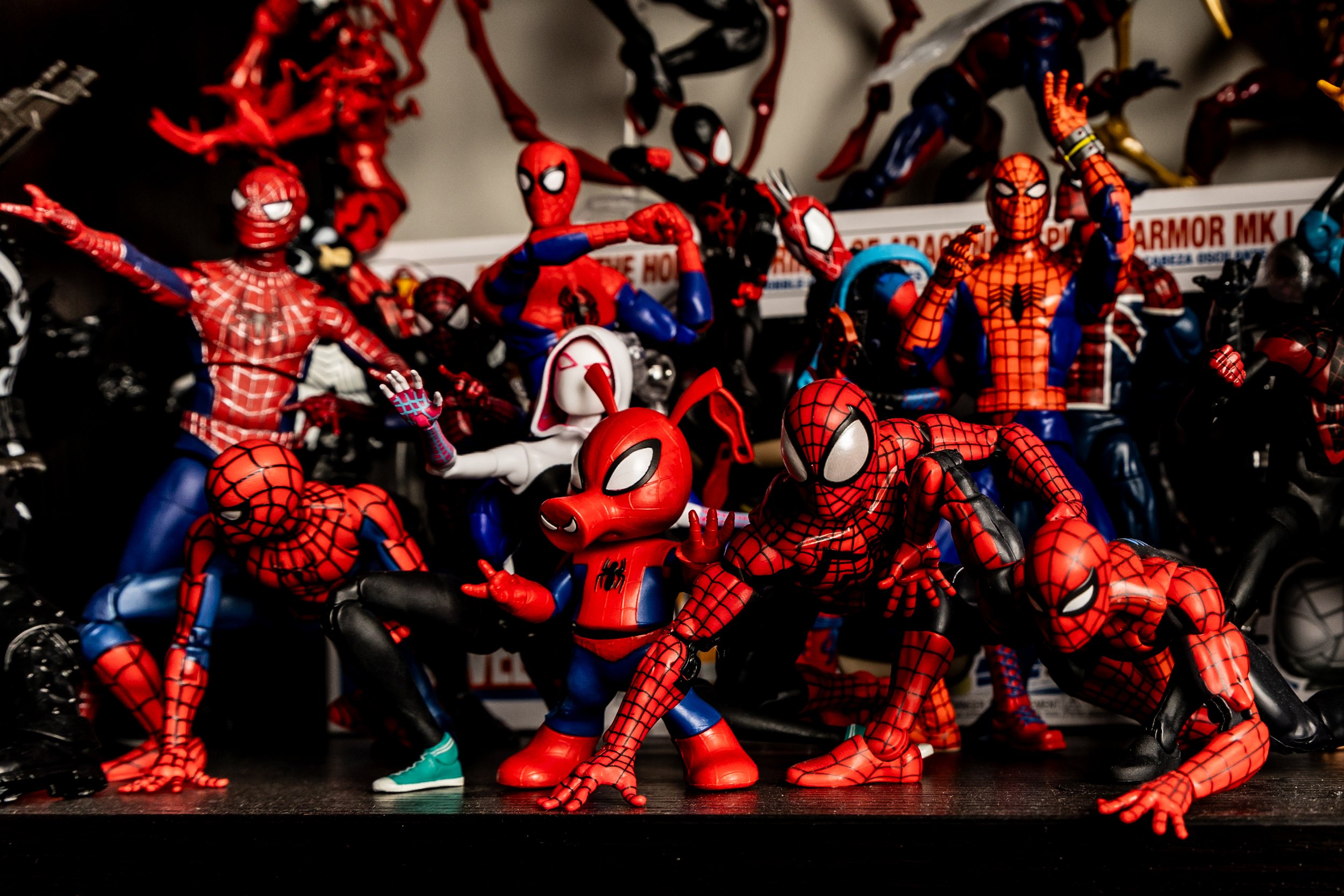
Beside him are an assortment of heroes: Captain America, Spider-Man, Cyclops and the rest of the X-Men. Plus a curated cast of characters from the Marvel and DC universes. They line the wall like sentinels, a colorful and carefully composed panorama of comic mythology.
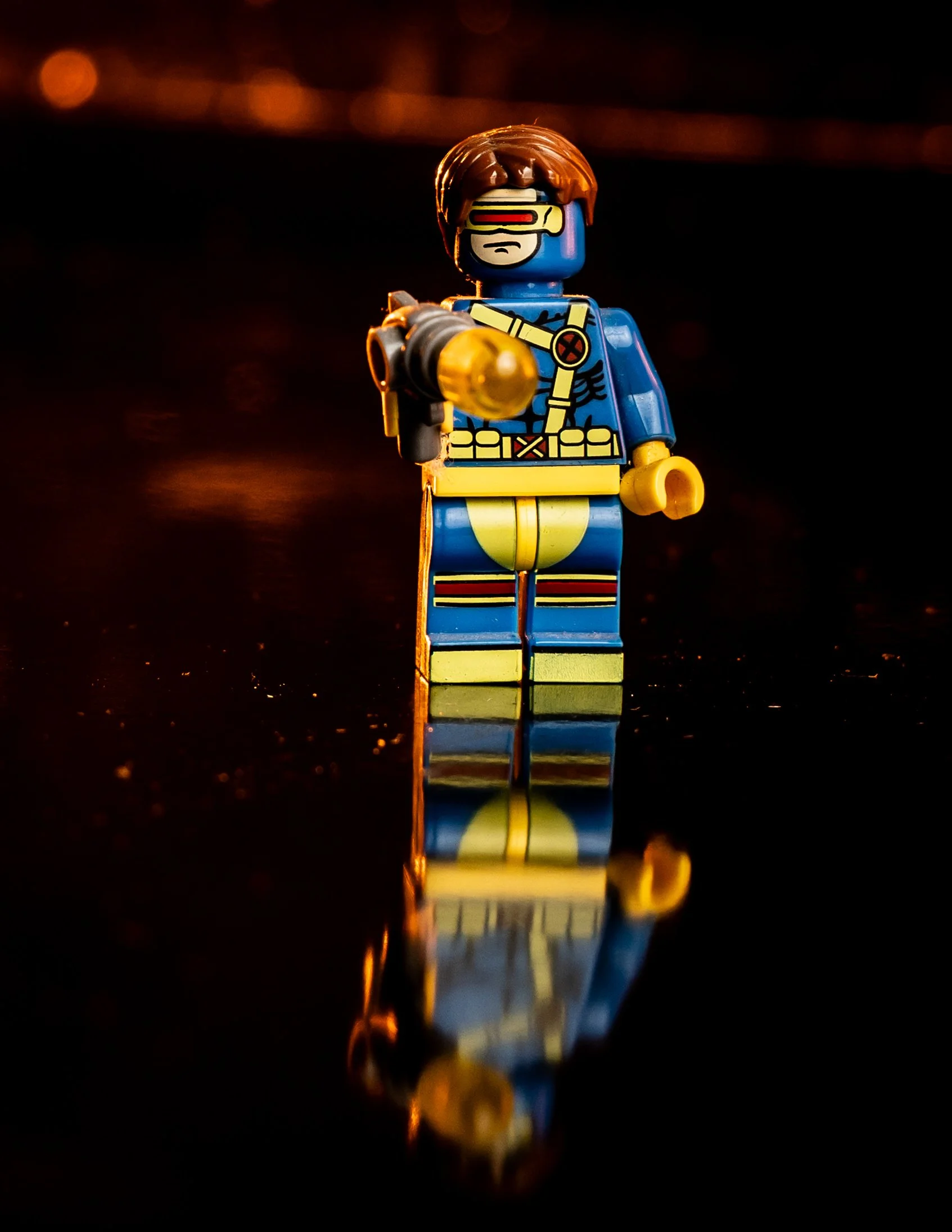
At a glance, this collection is simply a well-kept array of pop culture icons. But for Jayson Semetara, who assembled these pieces, each figure represents perseverance, identity, and a commitment to doing good. It’s a treasure trove that began with one single piece: a knockoff LEGO Cyclops, barely more than a dollar.
“I knew it was fake,” Semetara laughs. “LEGO wasn’t even making a Cyclops minifig back then. It was a knockoff of a toy that never existed.”
He had been wandering mom-and-pop stores in a quiet neighborhood in the Philippines, where he was more or less stuck on the outskirts of Manila. Semetara had moved there for college after his parents, ready to retire, relocated the family back to their homeland. Though he was born and raised in Hawai‘i, Semetara agreed to follow, lured by promises of a car, an apartment, and a fresh start.
Instead, he found himself living under their roof, miles from the city center, reliant on a relative who drove a local shuttle van to get him to and from campus. “I couldn’t go anywhere or do anything,” says Semetara. “No car, no going out, no dating, no nothing.”
As an escape, Semetara found joy where he could: buying cheap toys. That first faux-LEGO miniature led to another, and then another. His room slowly filled with the tiny stoic faces he’d grown up reading about and watching on TV. Characters from shows like the Justice League animated series, which grappled with questions of power and ethics. They were reminders of who he was before the move, and who he still wanted to be.
(Photos by Brandon Miyagi.)
“I’m drawn to flawed characters,” Semetara says. “People who carry guilt or make mistakes, but they’re learning and keep trying. Redemption arcs.”
Returning to Hawai‘i wasn’t easy. After graduating with a degree in management, Semetara cobbled together funds for a plane ticket, weathered his family’s disappointment, and arrived with suitcases filled not with clothes but collectibles. Customs flagged him at the airport, suspicious of his haul. Semetara had to prove his collection was personal and that he wasn’t just a scalper.
Back on O‘ahu, he moved into an affordable housing space in Kaka‘ako, unaware at first that it was designed specifically for working artists. “I just saw the rent,” Semetara says. “It was something I could afford. That’s it.”
He applied without thinking of himself as an artist. During the interview process, Semetara brought in the superhero costumes he’d crafted to attend comic and pop culture events like Kawaii Kon (originally just a place to hunt for more action figures). He shared photos from community events, such as Children’s Day at the Capitol, where Semetara showed up in full costume as Captain America to volunteer and bring joy to kids.
What began as a personal passion had grown into something more public. And, as the building’s review panel saw it, something definitely creative. “They told me, ‘Oh yeah, you’re an artist,’” he says. “I didn’t expect that. Though I guess, yeah, I do make things.”
Today, Semetara sits on that same board, helping evaluate new tenants for the artists’ space. He doesn’t paint or sculpt. He doesn’t grow vegetables in the community garden. But he votes on who gets to move in and get the same opportunity he once stumbled into.
“It’s my way to help someone else find a home for their creativity,” says Semetara. At the credit union where he works, Semetara helps people with managing their money. He takes time to hear their stories. Meanwhile, back in his loft, his collection continues to grow.
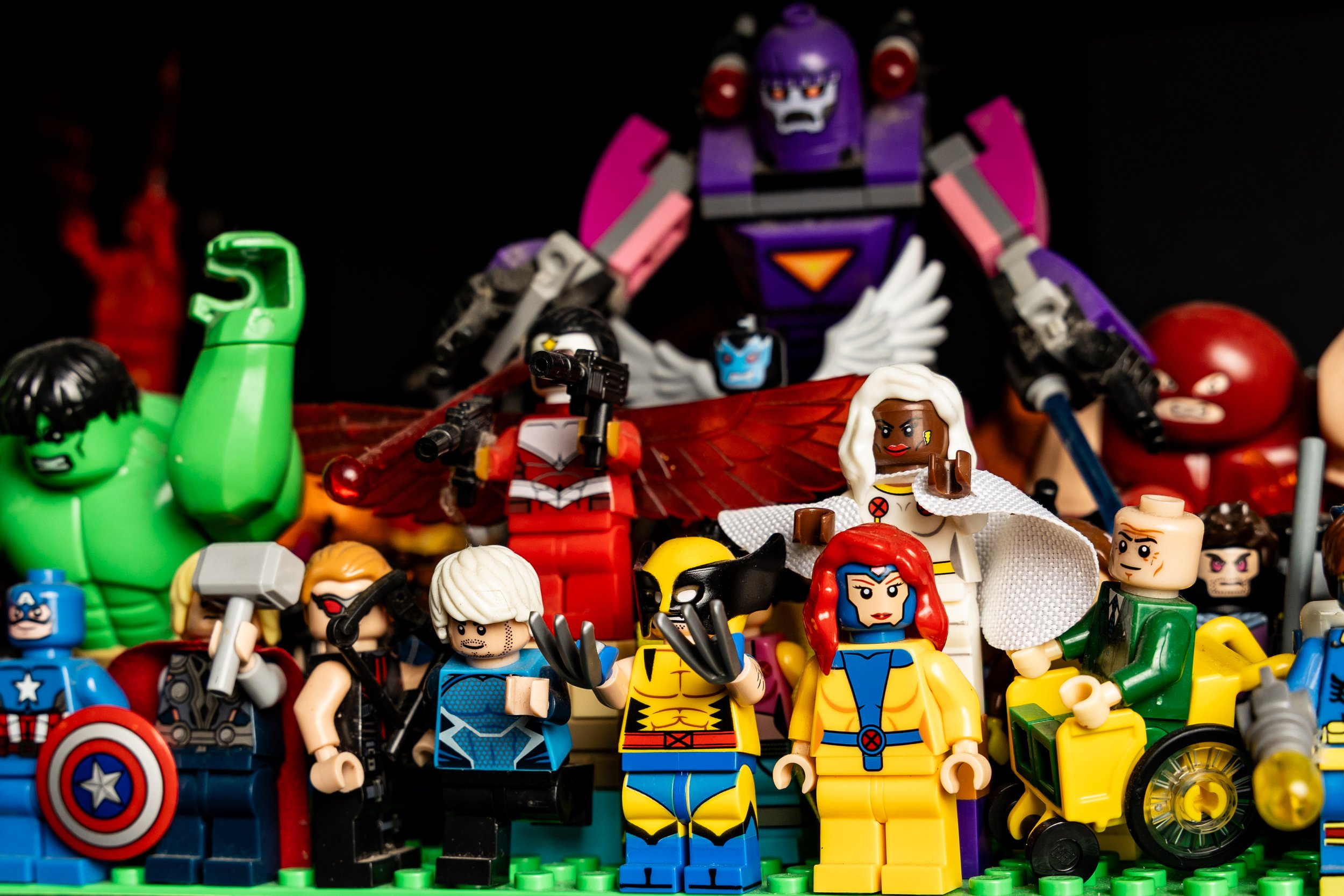
From Lego minifigures to larger-than-life heroes, Semetara collects the characters he grew up with, ones that reflect his values and inner world. “I’m drawn to characters who carry guilt,” he says. “But they keep going.”
(Photos by Brandon Miyagi.)
Semetara doesn’t collect just anything. He gravitates toward characters who reflect his values rather than following fandom trends. He favors the loyal and principled Cyclops versus the hot-headed Wolverine. Or Bucky Barnes, the Winter Soldier who carries the weight of a troubled past, over Steve Rogers, whose sense of right and wrong as Captain America never wavers.
Even Superman, often dismissed as too perfect, holds a central place on Semetara’s shelf. “People forget Superman’s an immigrant. He’s different but he still chooses to save a world that doesn’t always accept him,” Semetara says.
When teenagers Jerry Siegel and Joe Shuster created Superman in 1938, America was wrestling with the Great Depression and a rising wave of fascism in Europe. Influenced by their own experiences as Jewish immigrants, Siegel and Shuster framed the Man of Steel not as an elite warrior but a champion of the oppressed. Over time, Superman’s commitment came to be defined by “truth, justice, and the American way.”
It’s an ideal that once reflected a hopeful America. But now, in an era of growing division, deportations, and unrest, Superman serves as a beacon of values that many feel are under threat. At a time that seems morally gray, comic book heroes might be needed more than ever.
“It’s easy to go dark these days,” Semetara says. “Superheroes need to be that shining light in a world that’s really rough right now. Superman reminds me there’s still a choice to stand for something better, even when the world doesn’t make it easy.”
(Photos by Brandon Miyagi.)