
Across the Pond
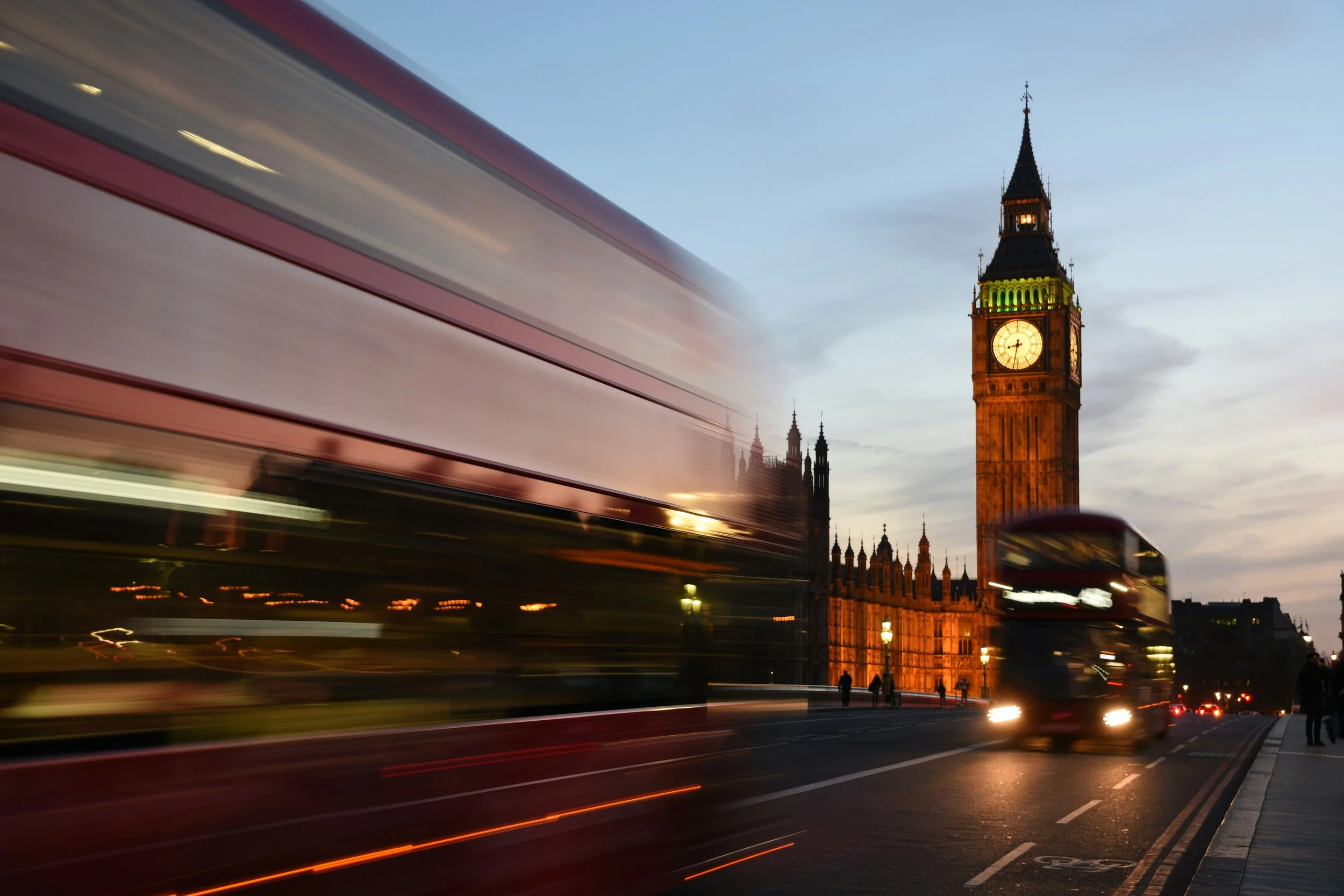
One journey, four capitals: London, Cardiff, Edinburgh, and Dublin each offer their own unique blend of history, architecture, and local character across the British Isles.
(Photo by David Dibert.)
For American travelers crossing the Atlantic, the British Isles may feel familiar but also surprising. Sure, we speak the same language and share a lot of the same culture. Yet beneath our common ground lies a unique mishmash of traditions and identities shaped by centuries of conquest, industrial revolution, migration, and reinvention.
Nowhere is this complexity more apparent than in the capital cities: London, the global powerhouse of finance and politics. Cardiff, the modern soul of Wales defined by its past as a coal port with a renewed sense of national identity. Edinburgh, whose cobblestone streets and medieval castles remain symbols of Scottish pride. And Dublin, just across the Irish Sea and outside the United Kingdom, where literary greatness (and irreverence) sit alongside a hard-won independence.
See for yourself this fall on our journey through the British Isles. Here’s where to start:
London, England
London moves fast. (Literally, with its iconic double-decker buses and black cabs.) But also in world-class museums, restaurants, theaters, shopping, and countless other experiences happening at once.
Best to start at the source: Buckingham Palace, the ceremonial heart of England, still very much a working residence and, depending on the season, partially open to the public. The summer months (typically July to October) allow self-guided tours through the Palace’s gilded State Rooms, including the Throne Room, Ballroom, and White Drawing Room.
Even from autumn to spring, there’s still plenty to do. Outside the Palace, the Changing of the Guard takes place around 11 a.m., a choreographed transfer of duty performed with stubborn precision. Next door, The King’s Gallery rotates exhibitions featuring paintings, photographs, decorative arts, and other treasures from the Royal Collection.
Also open are the Royal Mews, one of the world’s finest working stables that houses the royal horses, historic state coaches, and other snazzy vehicles typically used for coronations and royal weddings. The golden Victoria Memorial sits just outside the palace gates while nearby St. James’s Park and Green Park offer tree-lined walking paths and lakeside views.
For a more playful take on London’s past, head to Soho. In Kingly Court, descend a staircase “to the trains” to Cahoots Underground, a subterranean speakeasy that transports visitors to post-war Britain. The idea is, you’re in a forgotten London Underground station turned covert gathering place where the party continues below street level. Mind the gap while stepping aboard one of two bar areas (styled as train platforms, of course), fitted with polished white tile, authentic tube seats, vintage advertisements, even luggage racks and sandbags.
Behind the bar, the drinks are bright and theatrical. Take the Palm Parlour, made with Bacardi Carta Blanca rum infused with clarified coconut, tropical Leblon cachaça, crème de cacao, yogurt, and fragrant pandan leaf. Or Keep Marm and Carry On, a citrusy blend of 42 Below vodka, bergamot liqueur, lilikoi, orange marmalade, and champagne. On weekends, live 1940s jazz spills through Cahoots, carrying the illusion to last call.
More music is happening at Oriole, a worldly cabaret bar with two levels of adventure. On the ground floor, the Bamboo Bar is serving aperitivos and Peruvian-Japanese-Italian-inspired tapas; standouts include sea bream ceviche in an aji amarillo leche de tigre, and charred pork chops marinated in miso and gochujang, finished with a Nikkei-style salsa macha. Downstairs, a plush basement lounge boasts live cabaret and world music nightly.
Oriole is probably best known for its thoughtful cocktail program that traces world history through libation. A 16-page menu — complete with world maps and a glossary — invites you to drink your way across the globe, moving through flavor profiles drawn from European countryside botanicals such as herbes de Provence and pennyroyal tea to African blue basil and Zallotti Blossom to Asian honeysuckle nectar and sweet potato shochu. Cheers!
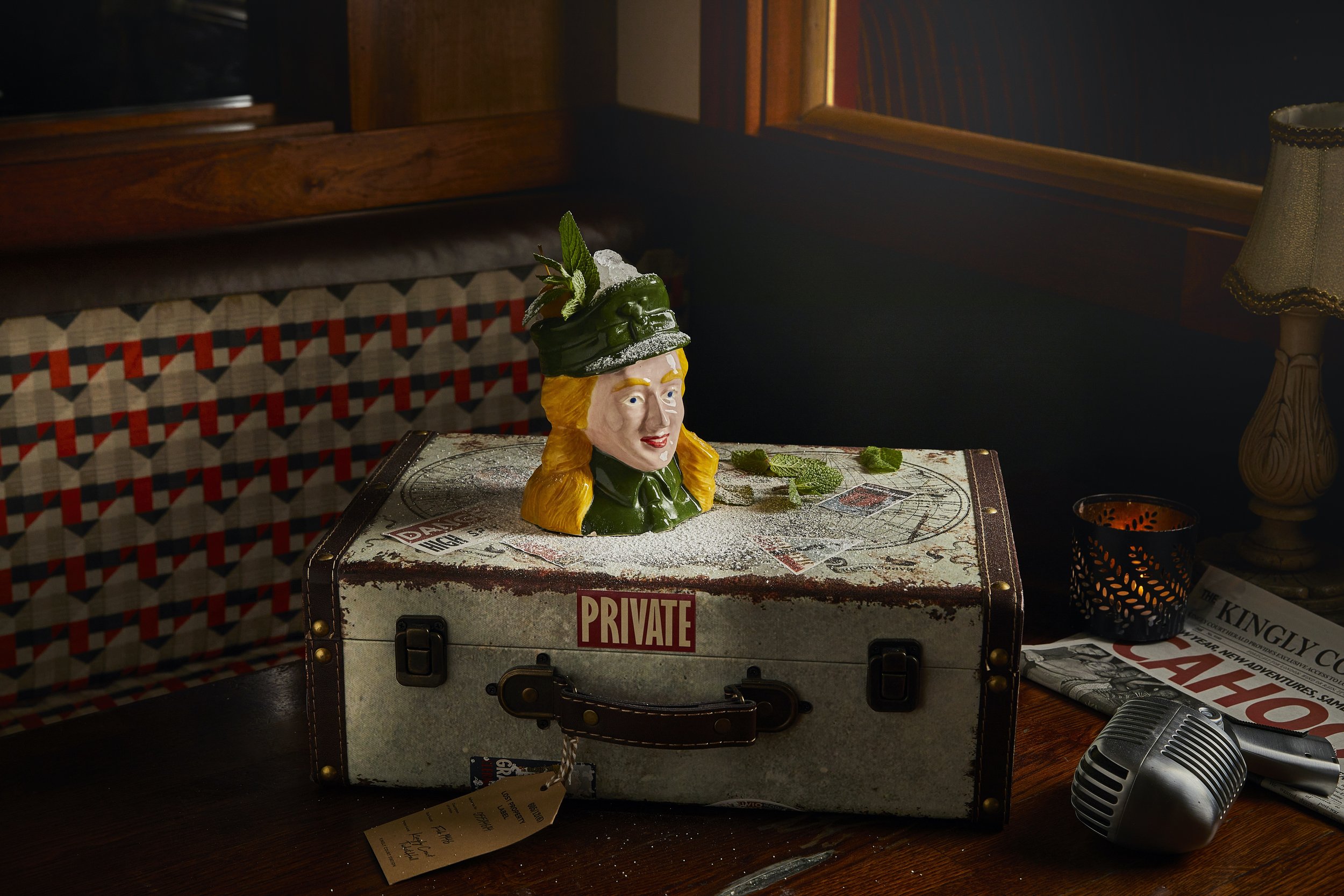
Behind the bar at Cahoots Underground, the drinks are bright and theatrical. So too is the playful, post-war Britain décor.
(Photo courtesy Cahoots Underground.)
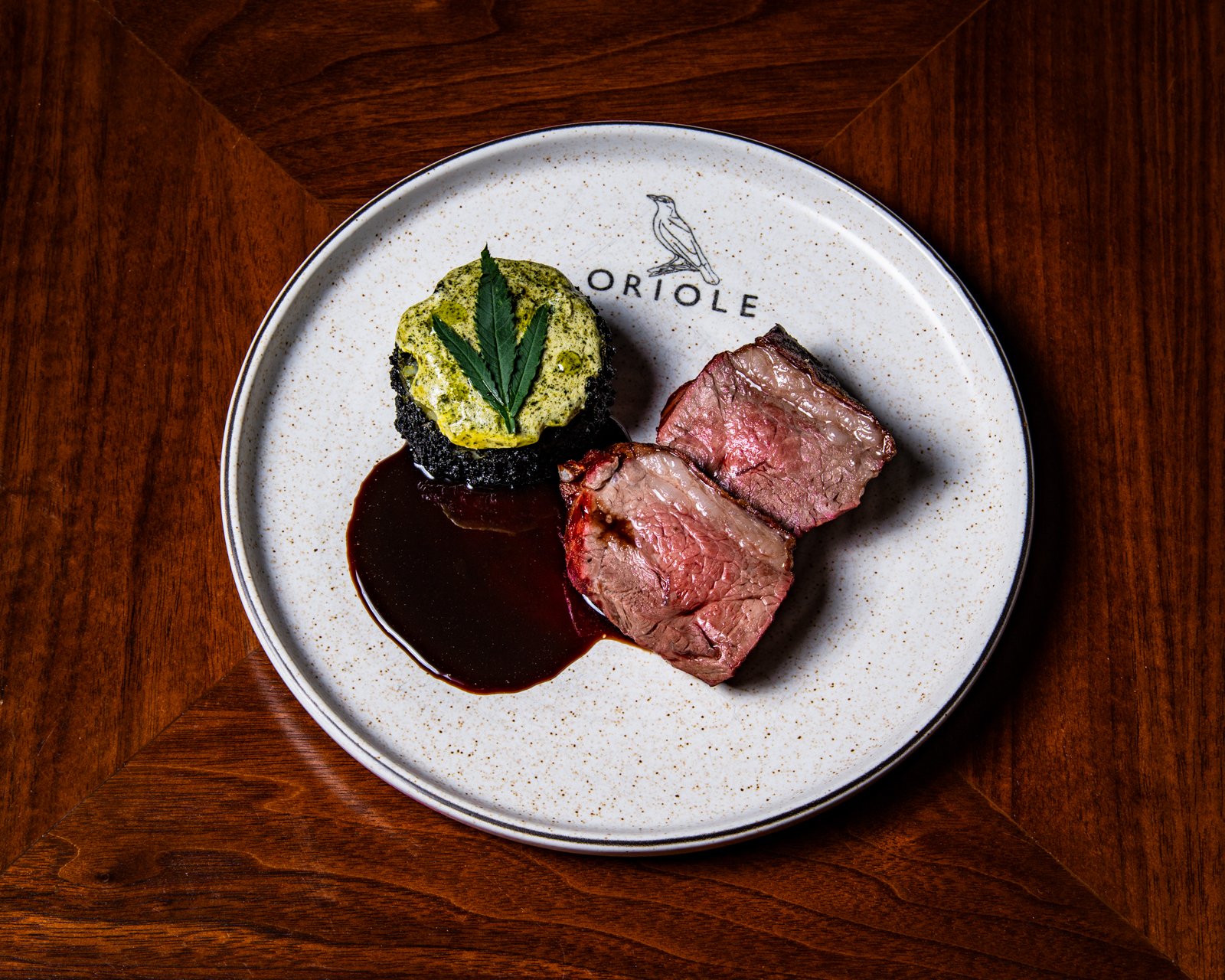
Tender lamb rump paired with Jersey spring greens, huacatay, and black olives at Oriole Bar and Restaurant in London.
(Photo by James Moyle, courtesy Oriole.)
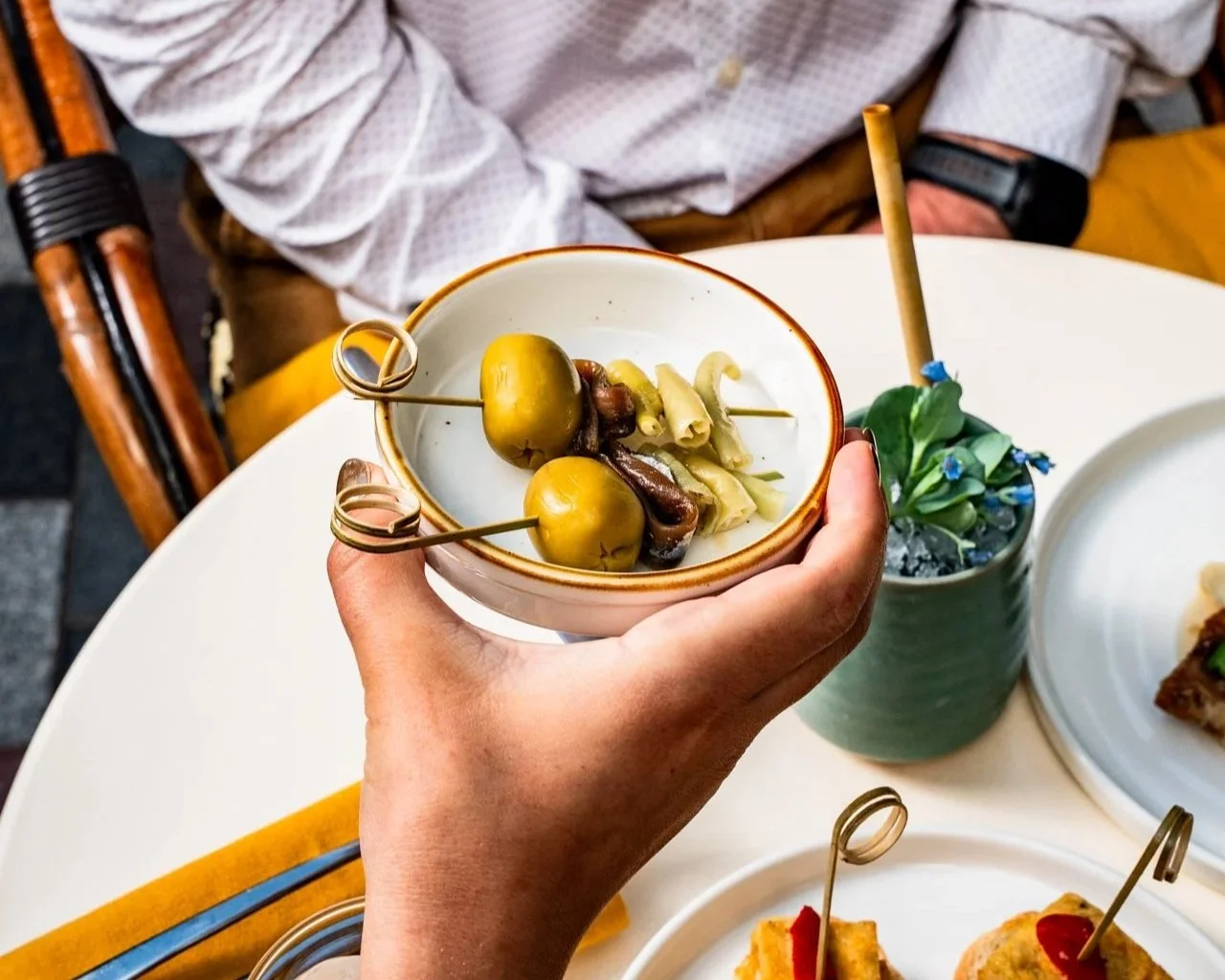
Smoked almonds, house pickles, and green Gordal olives at Oriole.
(Photo by James Moyle, courtesy Oriole.)
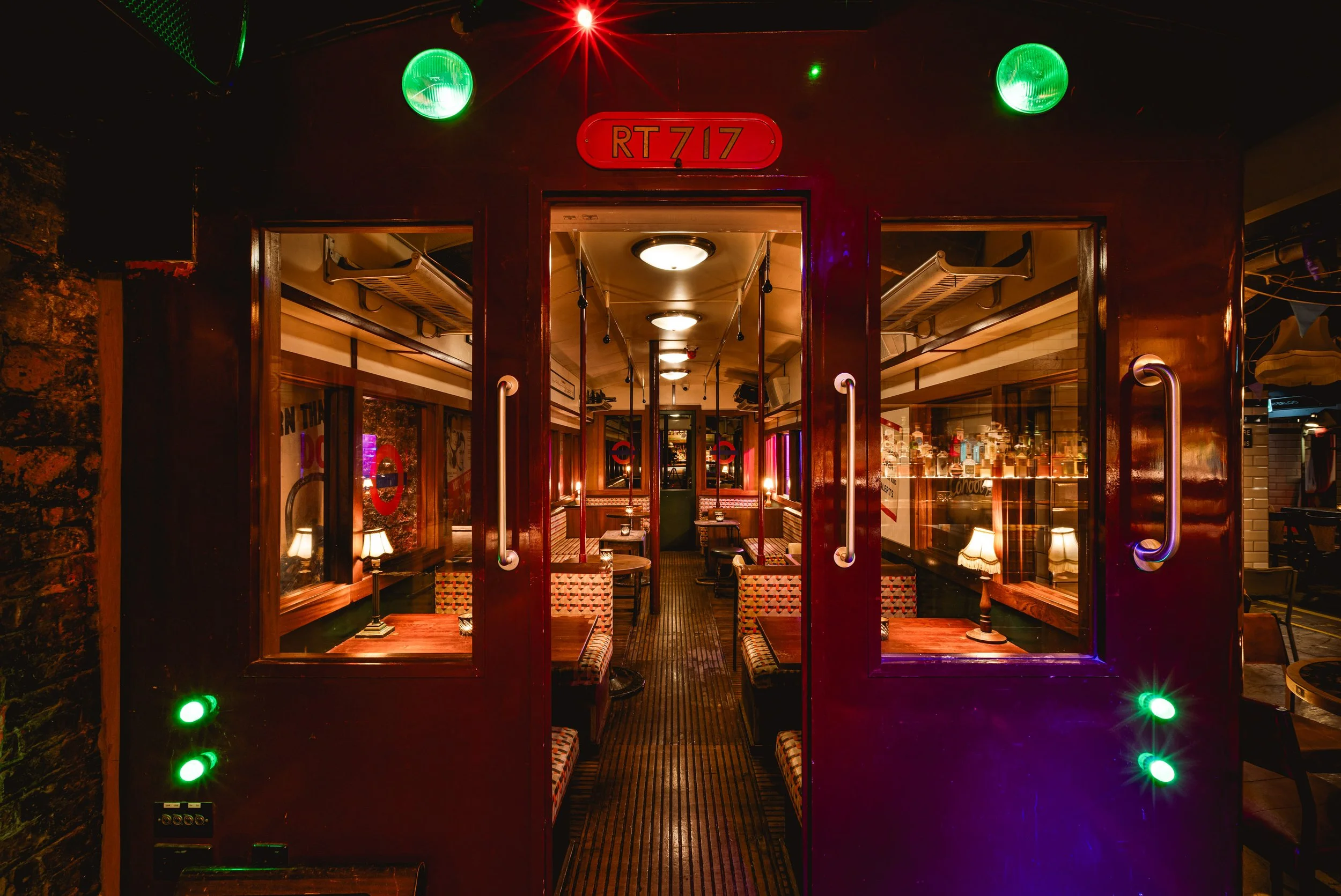
Mind the gap at Cahoots Underground, a subterranean speakeasy that’s modeled after a forgotten London Underground station — complete with tube cars — turned covert gathering place.
(Photo by Johnny Stevens, courtesy Cahoots Underground.)
Cardiff, Wales
Cardiff has spent the last few decades reinventing itself. Once one of the world’s busiest coal ports, the capital of Wales has transformed its docklands into a vibrant waterfront filled with restaurants, museums, public spaces, and a renewed sense of Welsh identity. Here, rugby is practically a religion, Welsh is spoken alongside English, and centuries of Celtic history — from place names to live music — are part of everyday life.
The best way to experience this transformation? Probably a visit to Cardiff Bay, once the heart of Wales’ coal industry. Thanks to a successful waterfront regeneration project, these former docks are now home to the Wales Millennium Centre, a performing arts venue and major cultural hub; Techniquest, a hands-on science center and planetarium with more than 100 interactive exhibits; and the Norwegian Church Arts Centre, where children’s author Roald Dahl was christened and which now houses a cafe and rotating exhibitions. Plenty of outdoor areas too, including the Cardiff Bay Wetlands Reserve for birdwatching and lakeside strolls.
Cardiff’s next chapter is being written in its cuisine too. At Gorse, what began as a series of culinary pop-ups is now Cardiff’s first Michelin-starred restaurant, where chef Tom Waters prepares thoughtful seven- to 10-course tasting menus around the country’s seasonal bounty. Consider dishes such as Milford Haven bass with Pontcanna quince (a fragrant fruit similar to apple or pear), smoked cream, and garden marigold petals. Or freshly caught cod, gently steamed in unripe juniper berry oil with roasted onion and pheasant broth. Some courses come with their own backstories, like the “warm infusion of seaweeds from Pembrokeshire” or “wild mushrooms gathered in the Vale of Glamorgan.” Whimsical? Yes, and delicious.
Walk off the feast with a visit to Cardiff Castle, the landmark that gave the city its name. Known in Middle Welsh as Caerdyf, meaning “the fort of the Taff,” this castle sits above the River Taff on the site where Cardiff has stood in some form for more than 2,000 years.
Cast off any expectations of stone hallways and stuffy chambers. Yes, Cardiff Castle began as a Roman fort and later became an 11th-century Norman keep. But what visitors see today owes much to the imagination of the aristocratic 3rd Marquess of Bute, John Crichton-Stuart, a big time patron of the arts, and Victorian art-architect William Burges. Together, they transformed this fortress into a lavish Gothic Revival fantasy.
Behind its imposing exterior, the inside is filled with stained glass, gilded ceilings, richly painted murals, and intricately carved animals. Think of Cardiff Castle as less a military stronghold than an opulent exercise in Victorian storytelling.
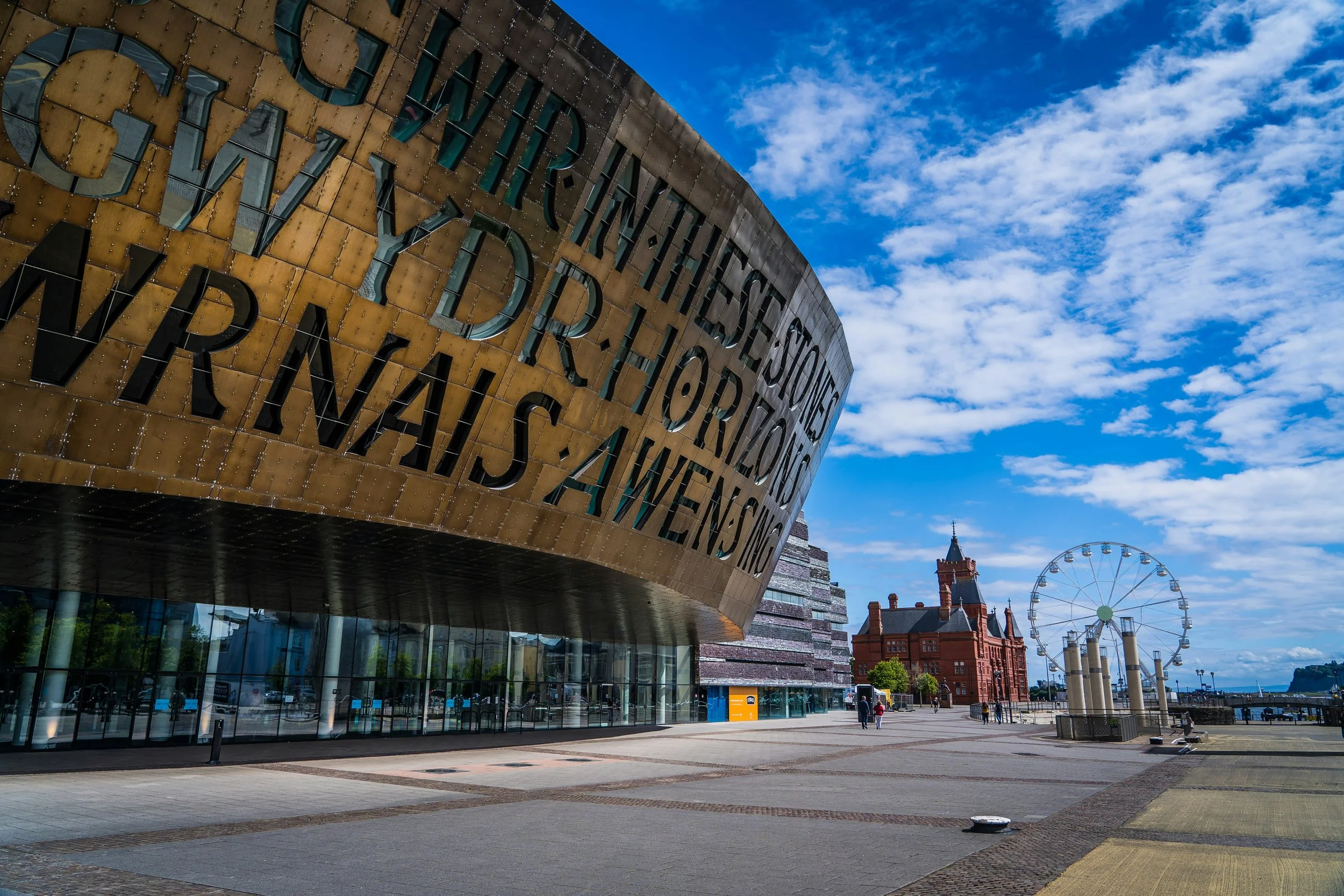
Thanks to a successful waterfront regeneration project, today’s Cardiff Bay boasts arts venues, cafes, even a wetlands reserve and planetarium. It’s a far cry from this dock’s past as one of the world’s busiest coal ports.
(Photo by Jonny Gios.)
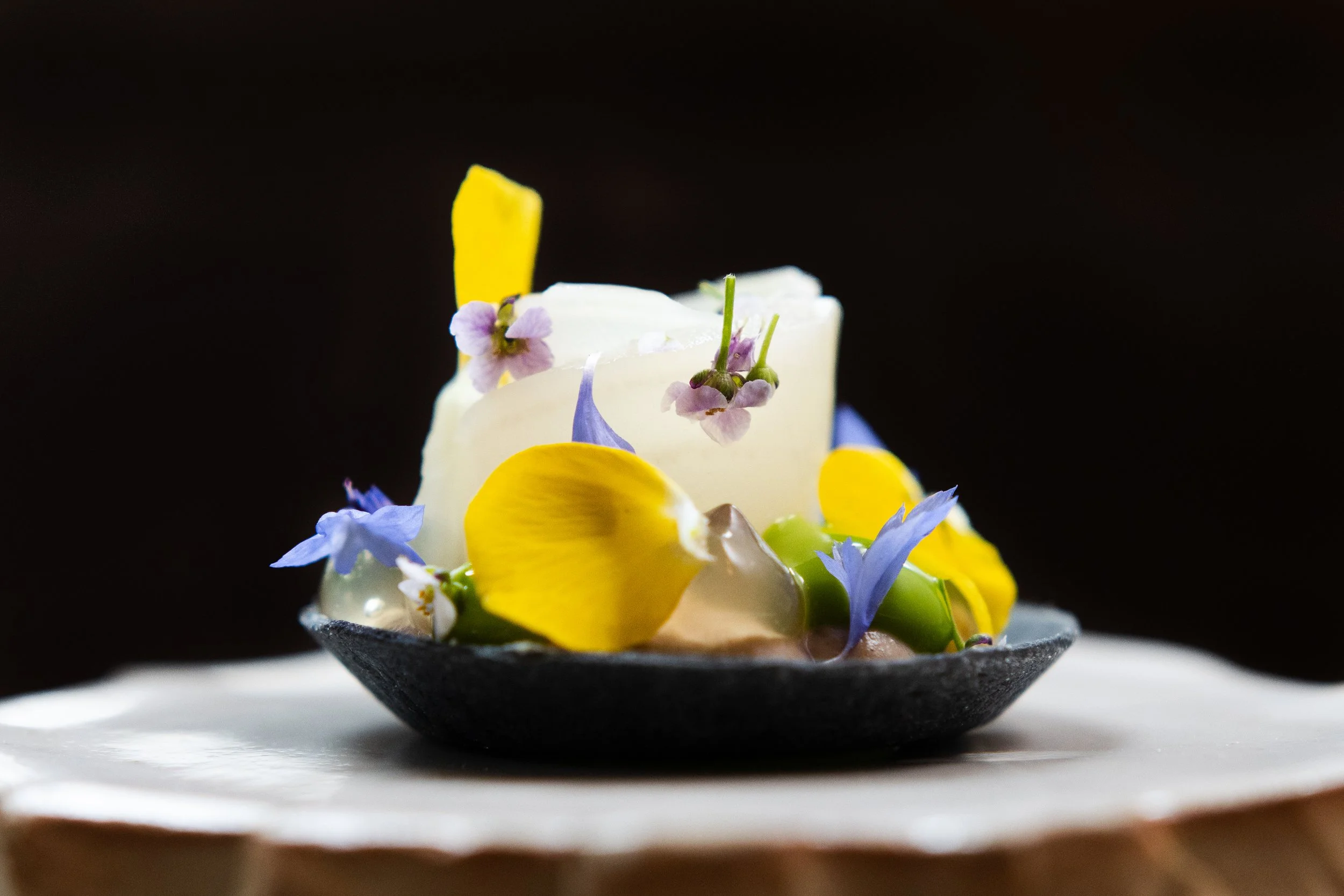
Mushroom tartlets, anyone? Chef Tom Waters reimagines modern Welsh cuisine at the Michelin-starred Gorse.
(Photo by Will Barker, courtesy Gorse.)
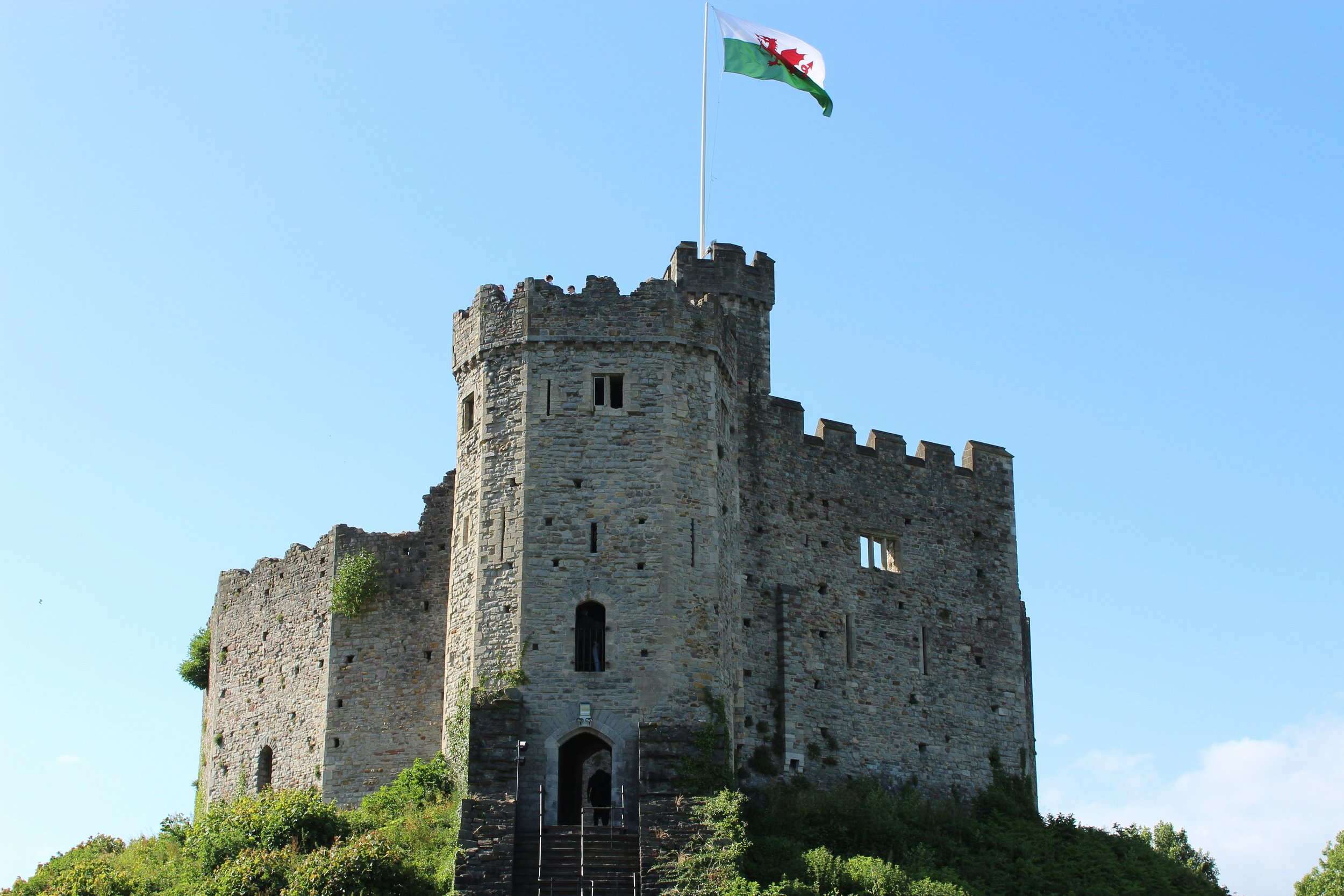
Don’t be intimidated by an imposing façade; the interiors of Cardiff Castle are filled with stained glass, gilded ceilings, richly painted murals, and intricately carved animals.
(Photo by Peyton Wells.)
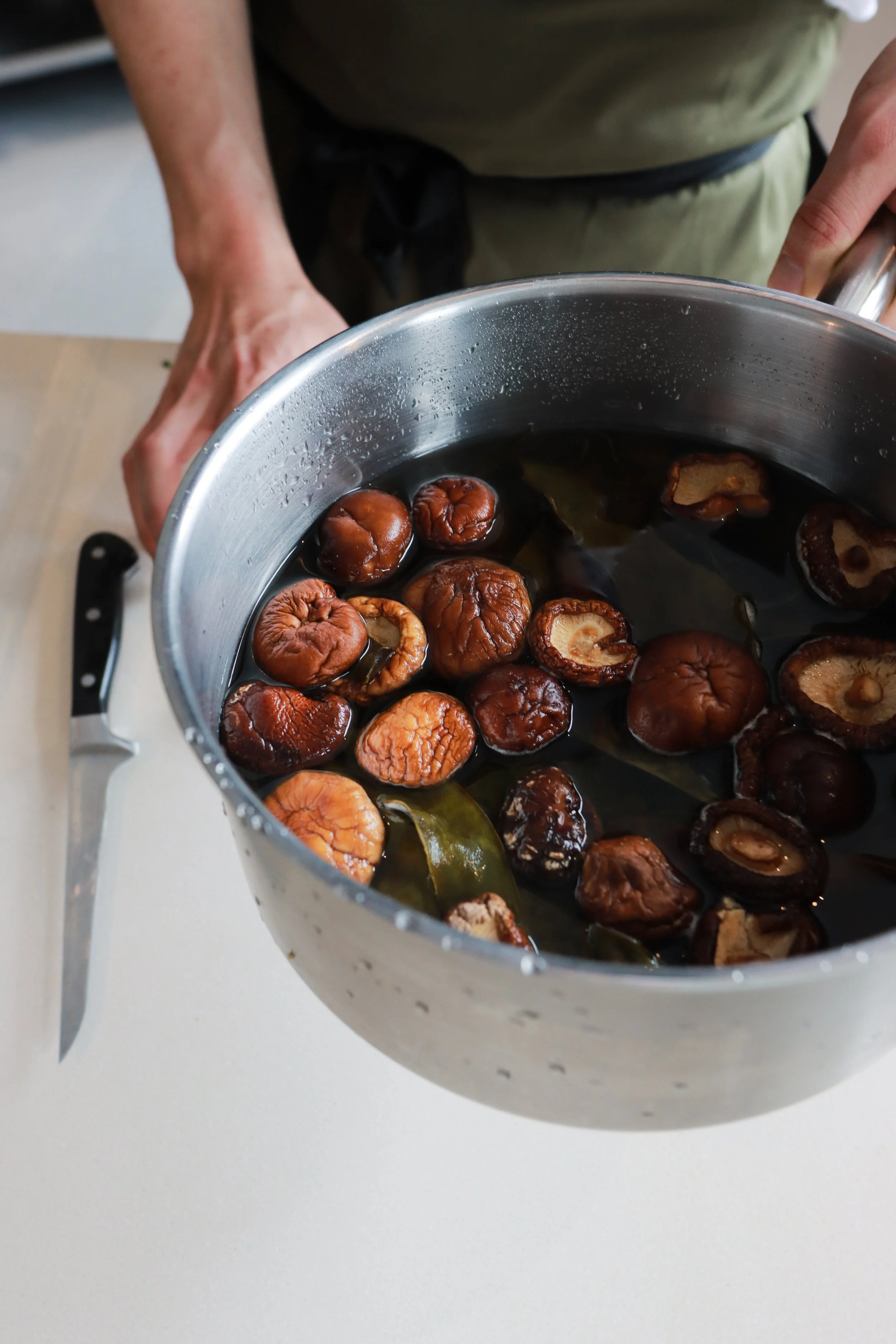
Come on in, the water’s fine: Preparing fresh seaweed broth at Gorse in Cardiff.
(Photo by Will Barker, courtesy Gorse.)
Edinburgh, Scotland
Imagine a castle rising above the city from volcanic crags while centuries-old stone buildings seem to spill down the cliffs below. Like something out of a fairy tale, Edinburgh is the city that probably best embodies the fantasy so often associated with Britain.
Yet for all its medieval drama, Edinburgh is very much a modern cultural capital. The Edinburgh International Festival and Festival Fringe fill the city’s theaters, pubs, and churches with artists from around the world every August while Hogmanay welcomes the new year with torchlight processions, fireworks, and lively ceilidh dancing.
Hogmanay celebrations occur at Edinburgh Castle, a former royal residence, military stronghold, and enduring symbol of Scottish heritage. Inside its stone walls are the Honours of Scotland, Britain’s oldest crown jewels dating back to the late 15th century, alongside Mons Meg, one of Europe’s largest siege cannons, built to project medieval power in the same era. From the battlements, the One O’Clock Gun still fires daily at 1 p.m. in a tradition dating back to 1861. This time signal was once used to help ships in the nearby harbor set their clocks. (Talk about an alarm.)
Edinburgh Castle sits at the top of the Royal Mile, dominating the skyline from nearly anywhere in the city. As the anchor of Edinburgh’s Old Town, the Royal Mile runs downhill through one of Europe’s most evocative historic districts, from its narrow alleyway “closes” to steep stone stairways to dramatic Gothic building facades.
Not to mention a somewhat dark history — think smog-filled tenements, underground slums plagued by disease, witch trials, serial killers, and other grim chapters. Things are cheerier now, with plenty of cafés, bakeries, whisky bars, and other interesting boutiques, especially along Victoria Street.
In Edinburgh, old buildings rarely stay old for long. Take The Dome, originally built in 1847 as the headquarters of the Commercial Bank of Scotland. Today, this imposing Greco-Roman structure, with its soaring Corinthian columns and an ornate domed ceiling, actually sets the perfect stage for beautifully plated brunches, elegant afternoon tea, cocktails, and proper Sunday roasts.
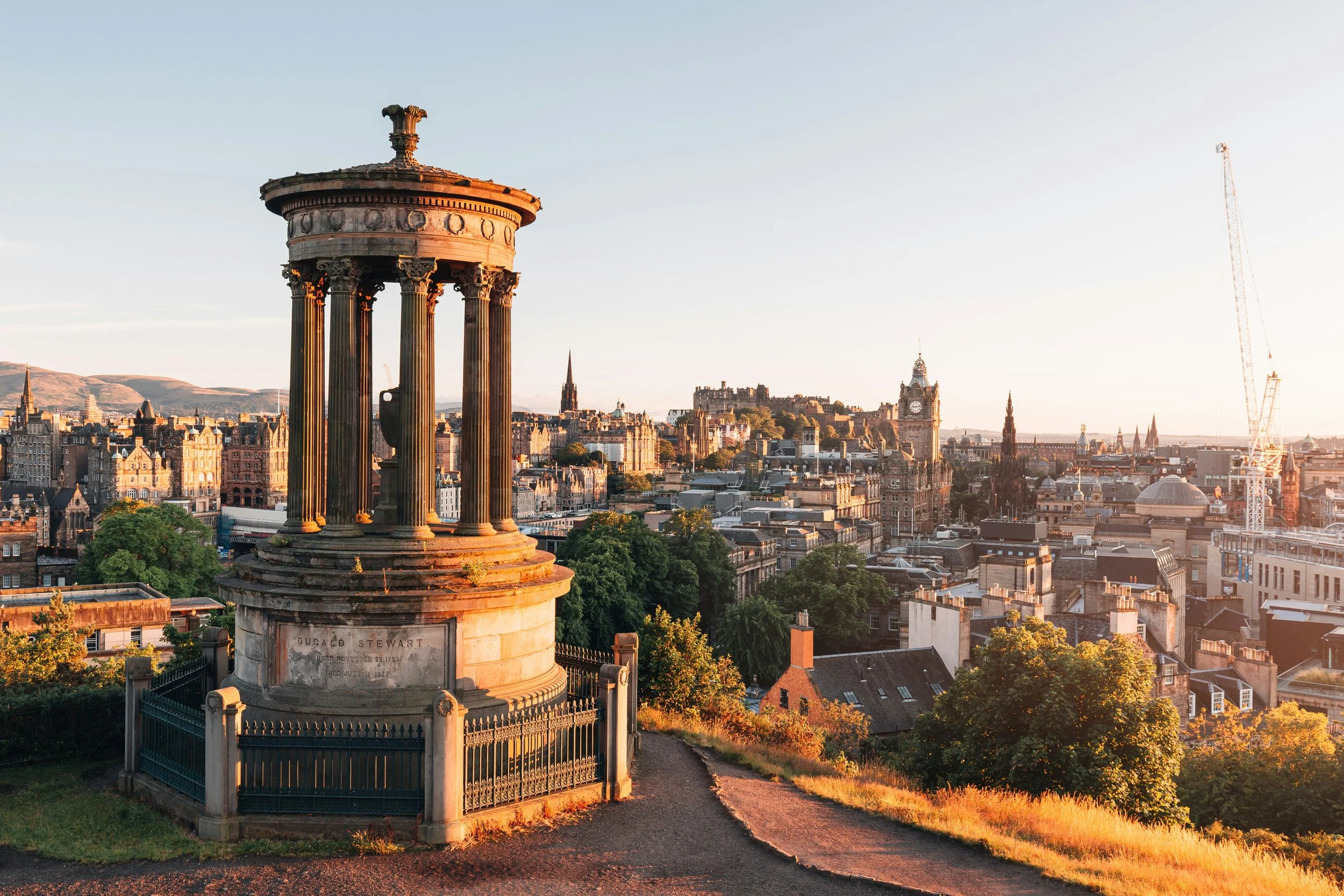
Like something out of a fairy tale, Edinburgh is the city that probably best embodies the fantasy so often associated with the United Kingdom.
(Photo by Connor Mollison.)
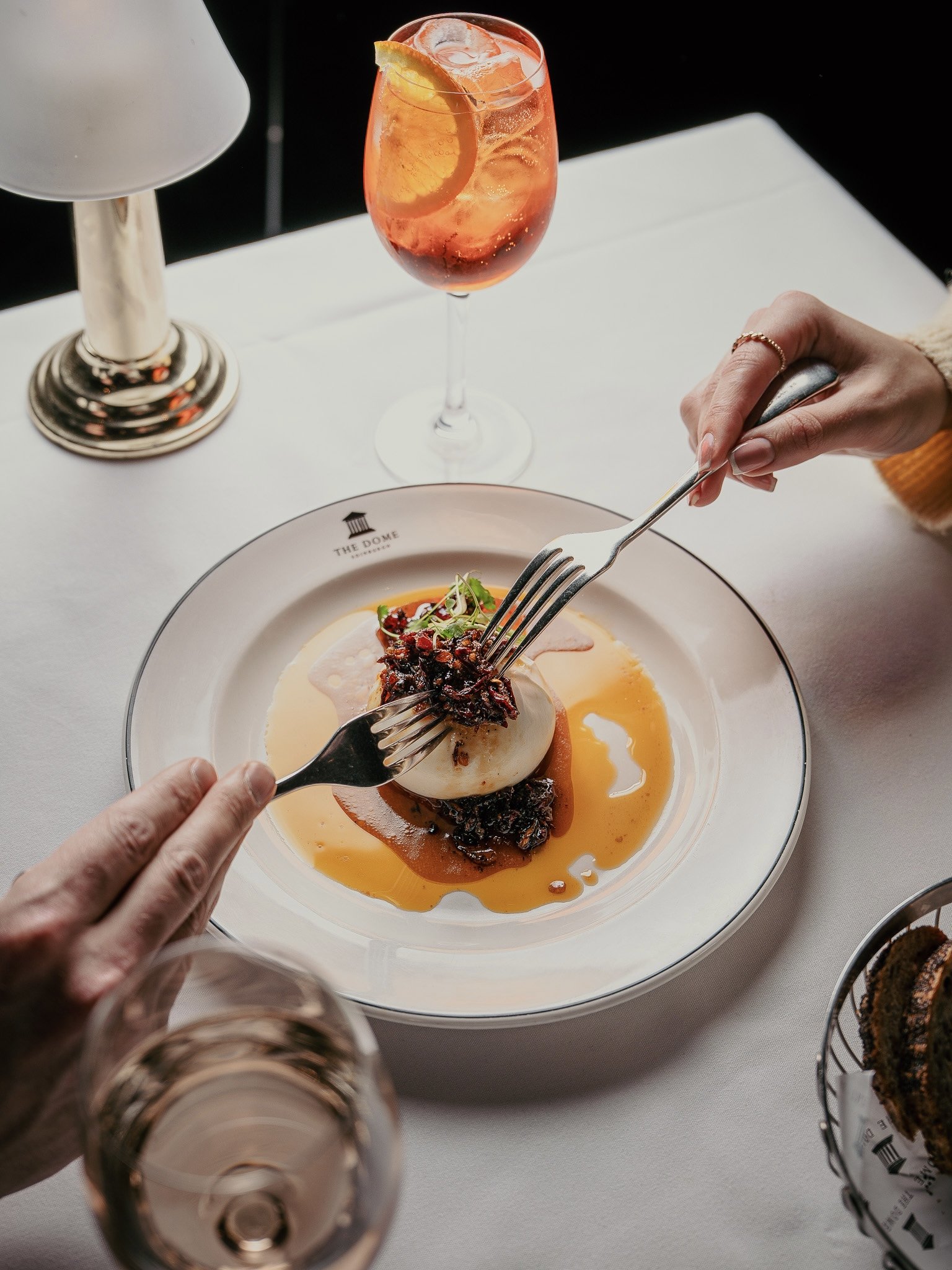
Fork fight: Elegant dining awaits beneath the gilded ceiling of The Dome in Edinburgh.
(Photo courtesy The Dome.)
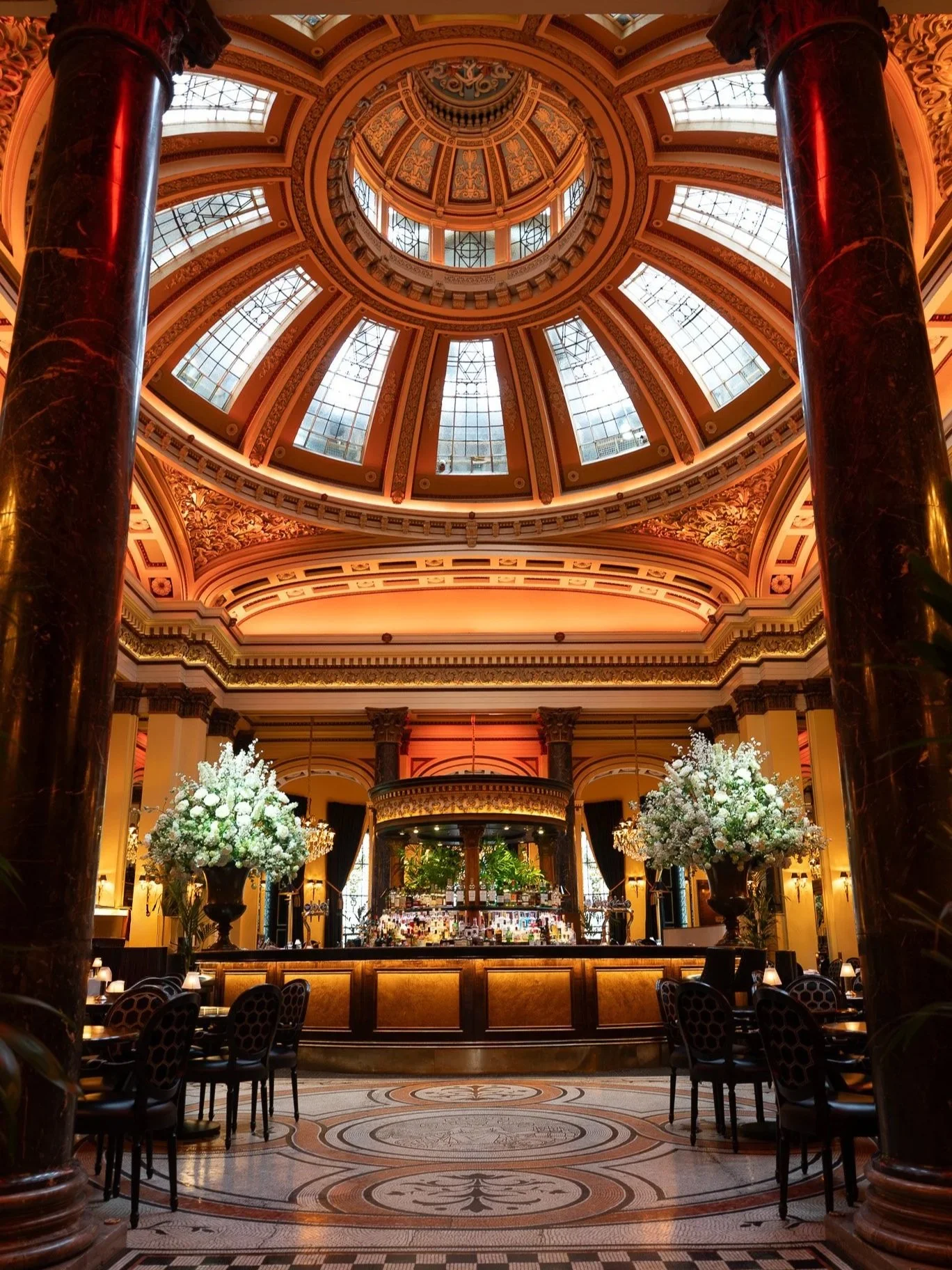
Originally built in 1847 as the headquarters of the Commercial Bank of Scotland, The Dome today is the the perfect stage for beautifully plated brunches, elegant afternoon tea, cocktails, and proper Sunday roasts.
(Photo courtesy The Dome.)
Dublin, Ireland
Technically speaking, Dublin isn’t part of the United Kingdom (that distinction belongs to Belfast in Northern Ireland). Practically speaking, it’s an essential stop on any first tour of the British Isles. What Dublin shares with its neighbors is a gift for storytelling. Home to literary giants like James Joyce and Oscar Wilde, few cities have built an identity around the written word quite like this one, whether through books, songs, or conversations over a pint.
In fact, finding a pint is probably your first stop in the Irish capital. While tourists and partygoers will no doubt flock to Temple Bar, Dublin’s famous nightlife district, a richer slice of history awaits at The Brazen Head. Widely regarded as the city’s oldest pub, the current building dates back to 1754, though an inn has stood on this site since 1198, welcoming travelers for more than eight centuries.
The Brazen Head is more than a watering hole. Irish revolutionaries such as Wolfe Tone once gathered here, and the pub even earns a mention in James Joyce’s Ulysses. Contemplate this rich history with a seat by the fireplace and a pint of your choosing; regulars favor the house-made Brazen Lager, brewed with the pub’s own yeast strain and fermented for 35 days.
For a more academic slice of Dublin life, make your way to Trinity College, where visitors are welcome to explore the historic grounds of Ireland’s oldest university. Sweeping lawns and stately Neoclassical buildings make this campus a destination in its own right. But the main attraction is the Old Library, an 18th century landmark home to the Long Room, a literary cathedral lined with towering oak bookcases, regal marble busts, and a soaring vaulted ceiling that seems to stretch endlessly overhead. As well as the Book of Kells, a richly illustrated manuscript of the four Gospels created around 800 AD, considered one of Ireland’s greatest treasures.
If all this history has worked up an appetite, go for a modern bite at Library Street. Here, Dublin born and raised chef Kevin Burke runs a rotating menu built around seasonal Irish ingredients. Spatchcock quail over heirloom Castelfranco chicory with tzatziki dressing, line-caught hake with almond and lemon butter atop shoestring fries, or wild Wicklow venison en croûte with black winter truffle are all winners. Dishes arrive as share plates from Library Street’s open kitchen that overlooks an elegant minimalist dining room where communal tables create a food hall vibe.
For a nightcap (or a late bite if you’re still feeling peckish), WILDE is a polished throwback with 1930s-inspired interiors: plush green leather banquettes, Art Deco flourishes, lots of greenery, and a garden terrace that bring a hint of the outdoors into the city center. The menu boasts high-quality local produce, from St. Tola goats’ curd and Wright of Marino herbs to grass-fed, dry-aged Irish steaks. Don’t skip the seafood either, with Kilkeel scallops from the Irish Sea, Dublin Bay langoustines, fresh oysters, Dover sole, and lobster.
Located just off Grafton Street, WILDE sits inside The Westbury, one of the city’s best-known luxury hotels channeling full Art Deco glamour. So too does The Sidecar, the hotel’s intimate cocktail bar, with its gold and silver detailing, like the kind of place Jay Gatsby might have drifted into if he ever made it to Dublin.
You’re in the right place if all this eating, drinking, and exploring has you ready to call it a night. The city will be there again in the morning.
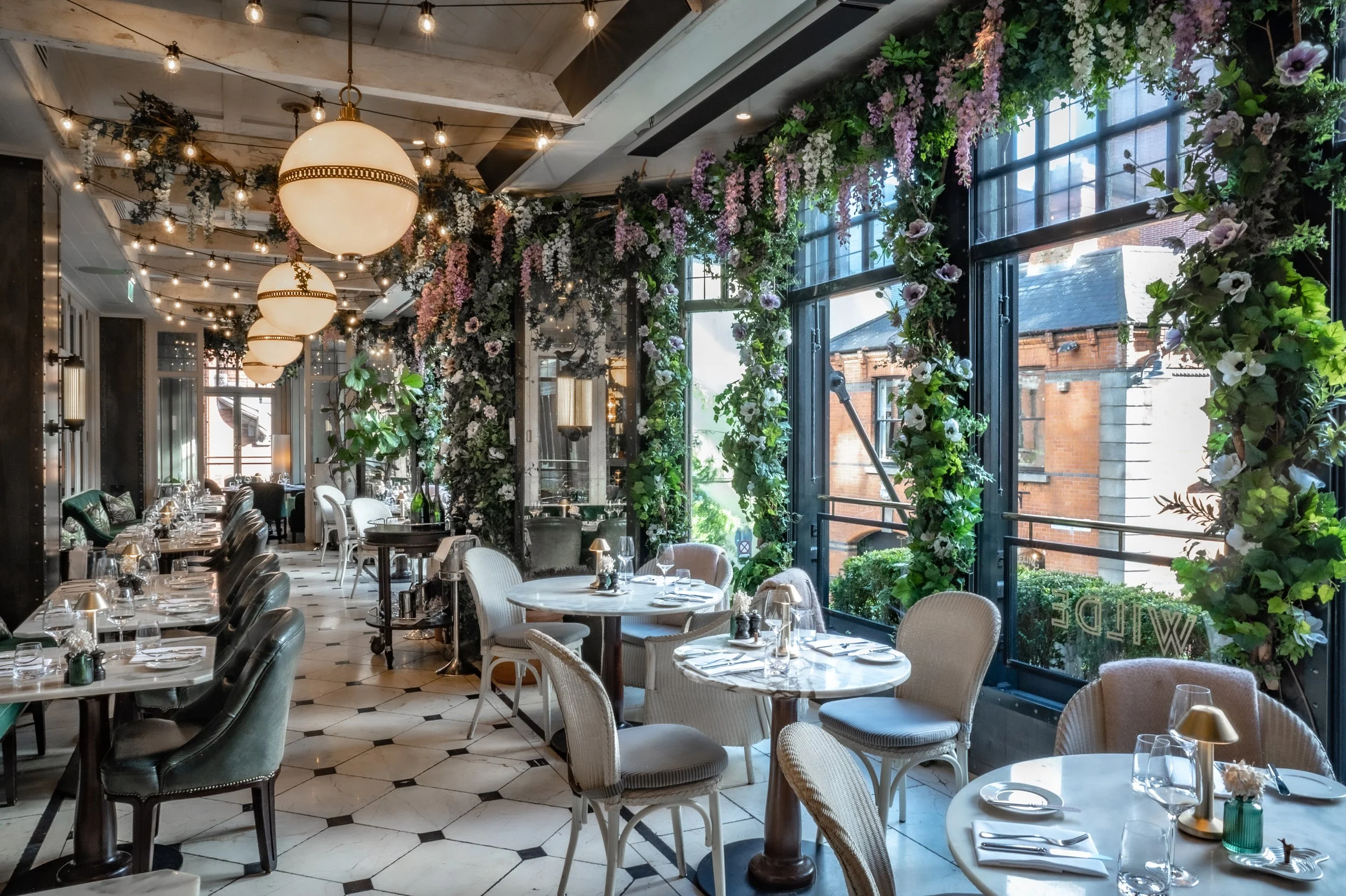
Just off Grafton Street, WILDE sits inside The Westbury is one of the city’s best-known luxury hotels channeling 1930s-inspired interiors and Art Deco glamour.
(Photo courtesy Jo Murphy & The Doyle Collection.)
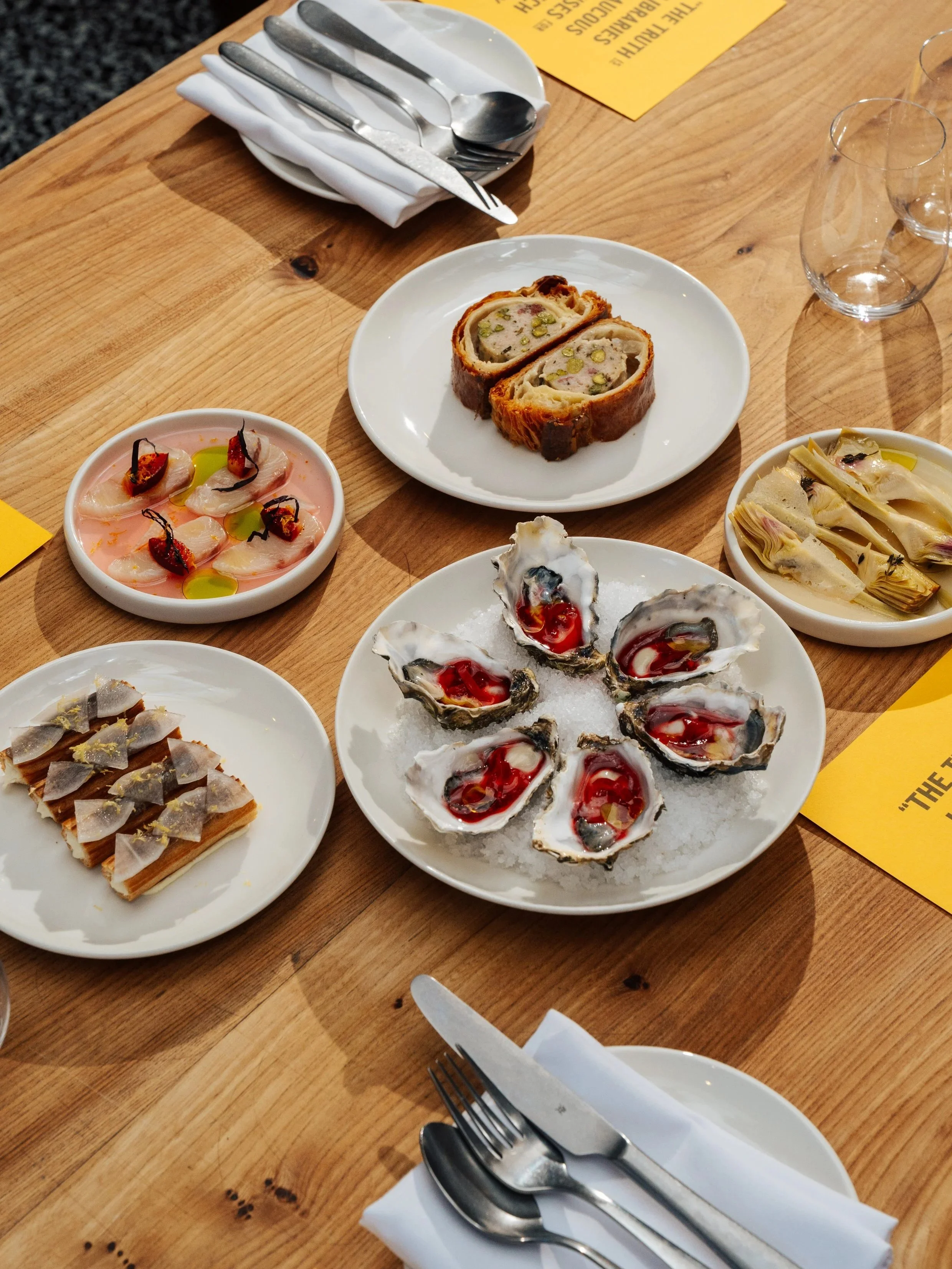
A medley of beautiful (and delicious) share plates from Library Street. Enjoy a feast while overlooking an elegant minimalist dining room where communal tables create a food hall vibe.
(Photo by Kevin Burke, courtesy Library Street.)
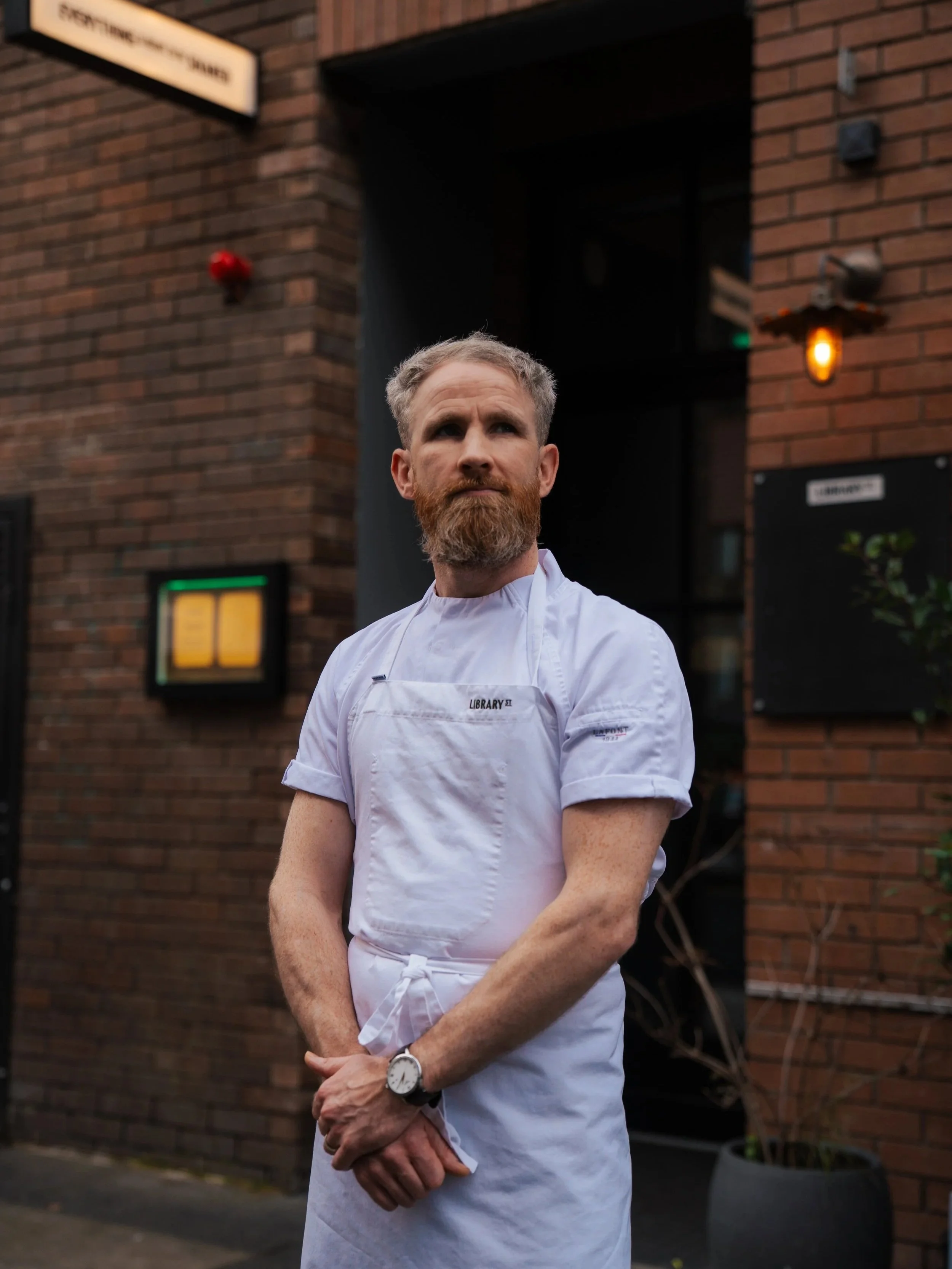
Dublin born and raised chef Kevin Burke runs a rotating menu built around seasonal Irish ingredients at Library Street.
(Photo by Kevin Burke, courtesy Library Street.)
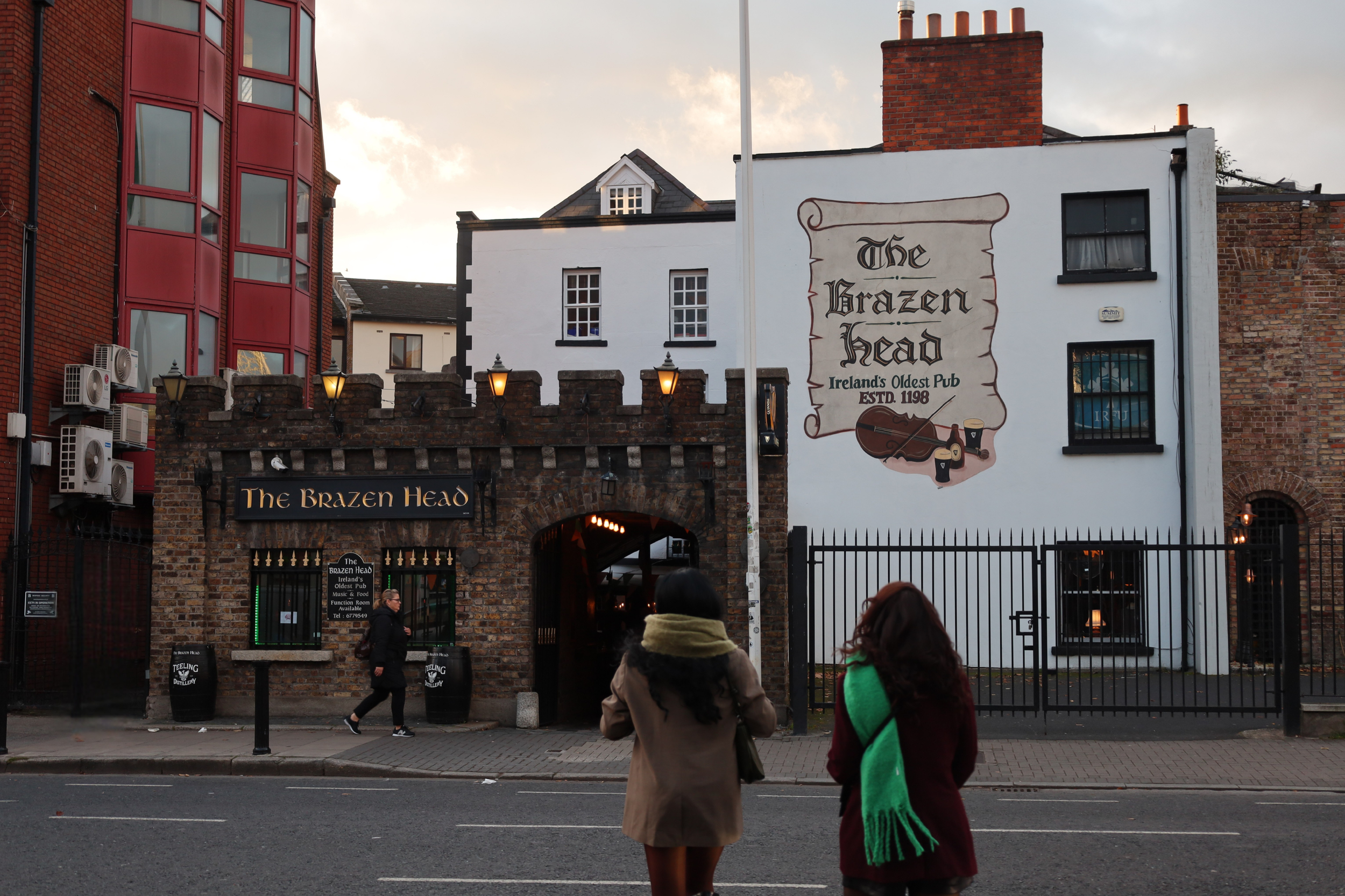
Run, don’t walk to The Brazen Head, widely regarded as the city’s oldest pub, where Irish revolutionaries (like Wolfe Tone) and literary greats (like James Joyce) once gathered.
(Photo by Brian Kennedy and courtesy of Le Jardinier.)