
A Frying Leap
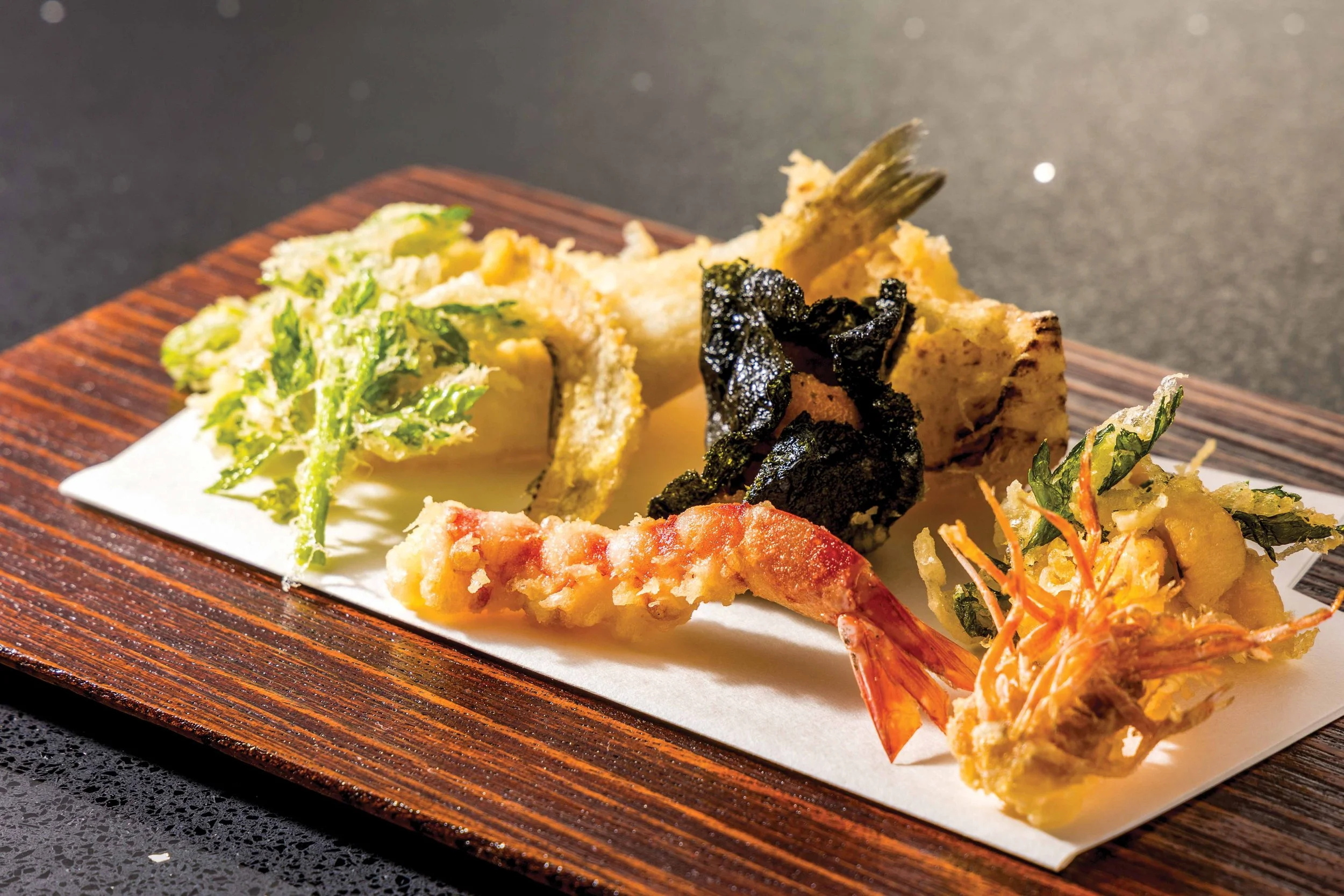
Tempura Ichika stands unrivaled in Honolulu, a city boasting an omakase milieu dominated by sushi restaurants.
(Photos courtesy Tempura Ichika.)
His Holiness the Dalai Lama once asserted, “To earn trust, money and power aren’t enough; you have to show some concern for others. You can’t buy trust in the supermarket.” Yet, people fast-track the three-date checkpoints with a faith bereft of a Joel Osteen sermon, blindly surrendering hundreds of dollars and the ability to dictate preferences to a chef on the first encounter, all in the name of the omnipotent omakase.
While some believe omakase should be improvisational, the reality is that these meals are more about seasonality with some degree of personalization, factoring in dietary restrictions, allergies, and dislikes with advance notice. The concept is hardly novel; in fact, it is part of a centuries-old dining tradition dating back to the Edo Period (circa 1603 - 1868) in Japan.
Evolving from traditional inns where guests often entrusted the host to curate the best seasonal meal incorporating the finest local delicacies, the practice extended to early sushi chefs. As techniques were refined and the craftsmanship of skilled shokunin became increasingly coveted, affluent patrons began pursuing premium guided experiences free from decision-making. Japan’s economic bubble further stoked the flames for the modern-day omakase, which extends beyond sushi to encompass yakitori, European-inspired cuisine, and even tempura.
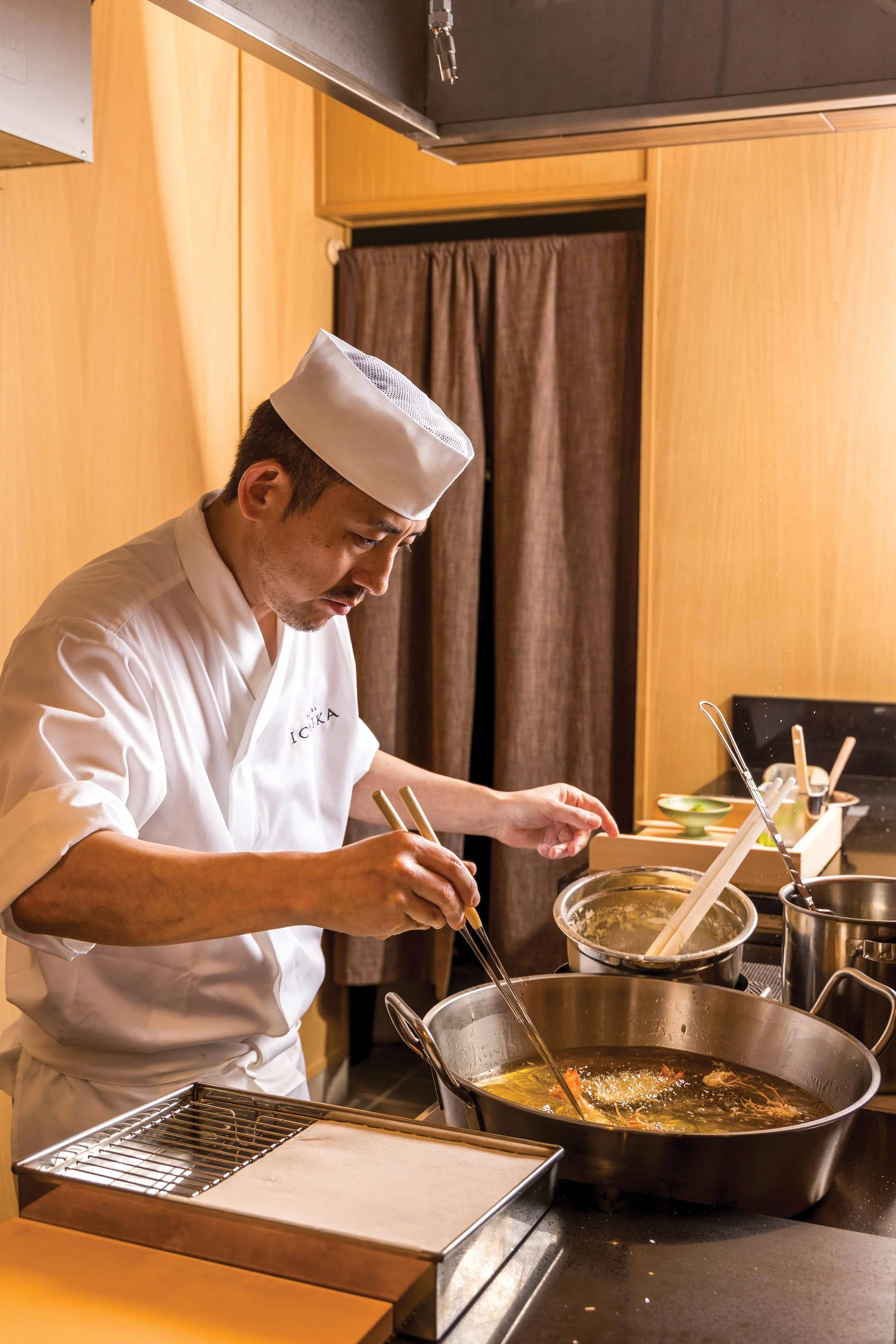
Tempura Ichika stands unrivaled in Honolulu, a city boasting an omakase milieu dominated by sushi restaurants. Aomori-born Executive Chef Kiyoshi Chikano, who earned Michelin stars in New York for his ethereal tempura, forges a glorious deep-fried 10-course tempura omakase, with a starter and intermezzi, bubbling with authenticity.
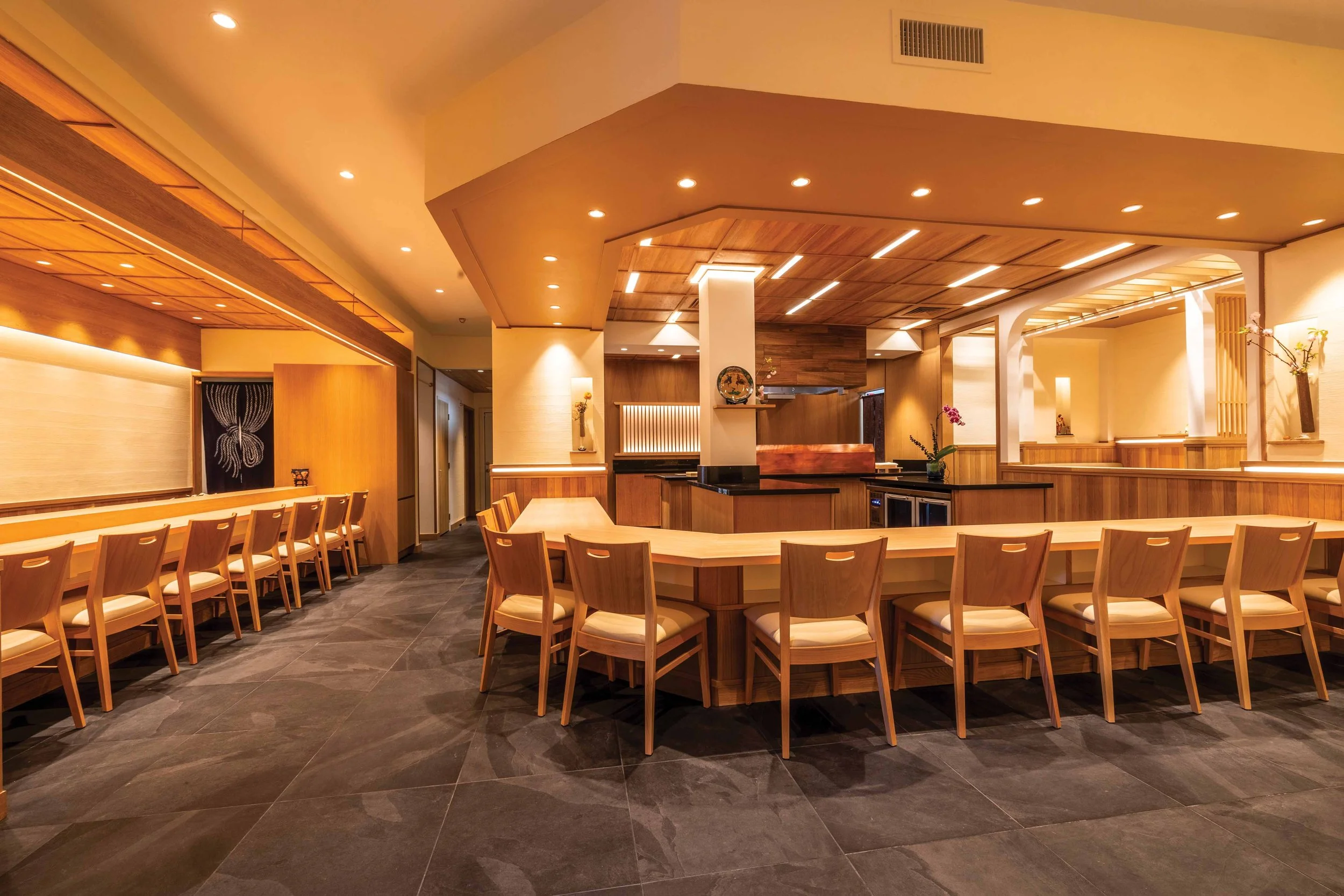
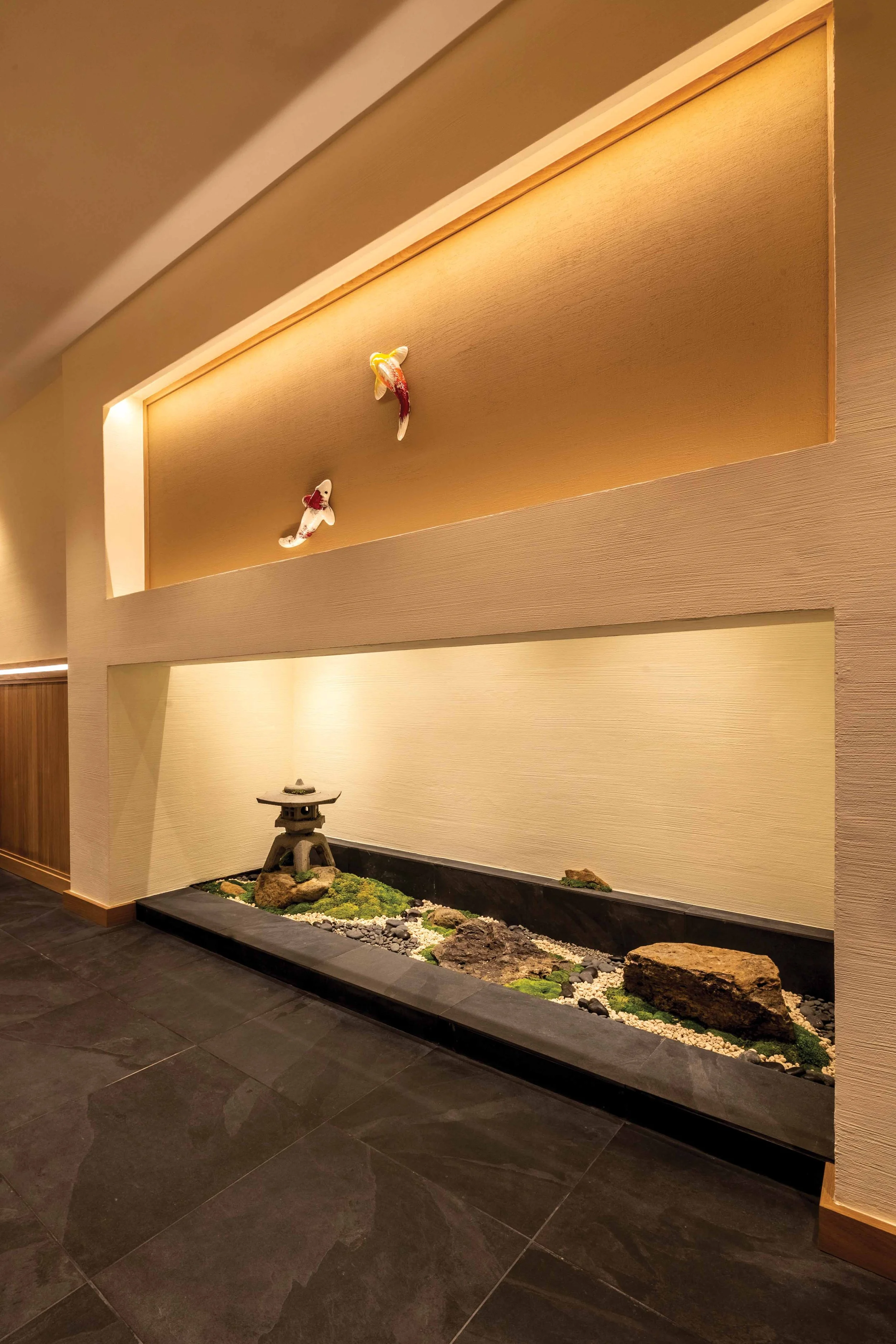
The 12-seat counter restaurant transports diners to an intimate venue evocative of Azabujuban, revealing blonde oak counters, creamy textured walls, and an open frying station lined with a copper splash guard. Chaste Japanese design elements such as ceramic objets d’art and a recessed lower wall displaying a miniature garden contribute to its Zen-like charm. Establishing a context of neutrality and serenity, the focus organically shifts to the cuisine, where each course feels like a meticulously crafted oeuvre expressing quiet sophistication that pays reverence to the importance of minutiae.
(Photos courtesy Tempura Ichika.)
The degustation begins with an otsukuri, fresh fish slivered into tongue-enveloping sashimi. A soy-based sauce, such as tosazu, or bright shio ponzu lends an added dimension of smoke, acid, or salt to the plush slices of tai, hiramasa, hamachi, or katsuo, depending on what is accessible.
A sequence of about 10 deep-fried courses ensues, showcasing an ever-changing selection of seafood from Toyosu, integrated with fresh local fish and produce, such as hearts of palm or Okinawan sweet potatoes. The fruits de mer and vegetables are sparingly dredged in a light coating of top-grade Japanese flour and local eggs before being crisped in a blend of imported cottonseed and white sesame oils.
Chef’s shellfish interpretations, such as the kuruma ebi with fleur de sel from Aichi Prefecture, Hokkaido scallops with kombu salt and wasabi, or zuwaigani dressed with lemon and tomalley, present curated morsels cooked just until their textures bloom and the whispered coatings become shatteringly fragile. Umami-eliciting accents are paired with deliberate intent, while a house-made tentsuyu adds an option for those who seek satisfaction along dashi- and soy-based conventions.
Chef’s dexterity is most evident in his fish compositions, which often yield intriguing, gratifying flavor combinations. For example, kisu may be a tempura staple, but the addition of a crispy bone “senbei” and rakkyo (pickled scallion) accoutrement embroiders the humble flavors of the flaky Japanese whiting. Trout or seabass wrapped in shiso, anago accented with shoyu, sansho, and wasabi, and local onaga punctuated by yuzu kosho convey fragrant flavors. But it is the sea bream that validates Chikano’s culinary acumen. If available, this preparation adopts the traditional Edomae preservation method of kobujime (wrapped in konbu seaweed), suffusing a glutamic subtlety that pairs beautifully with the nutty aromatics of the frying oil.
Vegetable fritters may include maitake, kabocha, zucchini, cauliflower with curry salt, and eggplant topped with shoyu, katsuo, and grated ginger. Palate-cleansing interludes, such as a Hokkaido abalone cold broth with celery and wakame or crab and lettuce with ponzu, are interspersed to attenuate richness and palate fatigue, resetting the senses and sharpening perception between successive courses.
A shokuji course features crispy kakiage over a bed of imported rice, with added luxe supplements of uni, crab, or ikura. Diners are presented with the option of having the bowl served as a tendon, drizzled with a savory-sweet tare, or a tencha, bathed in a soulful dashi. A refreshing sorbet concludes the meal on a sweet note.
While Tempura Ichika does not ask guests to surrender their money or agency blindly, first-time diners may take comfort in knowing that Chikano’s mastery, restraint, and consistency have earned the restaurant top ratings and reviews. Those who take a leap of faith will be rewarded with an experience that even the most discerning palates, if not the holiest, may find transcendent.
Tempura Ichika
434 Pi‘ikoi Street
(808) 888-0000
ichikahawaii.com
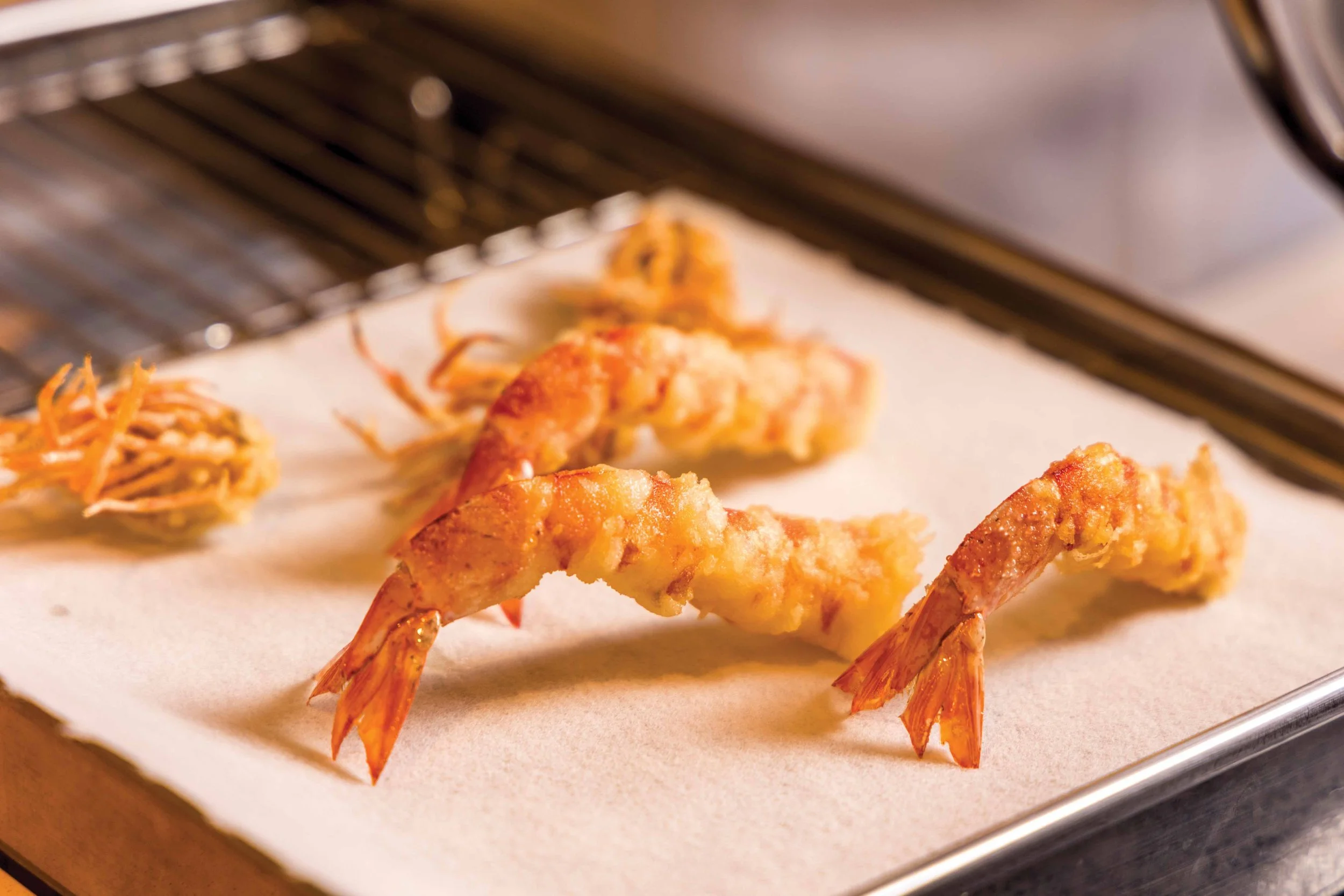
A 10-course tempura progression unfolds at a 12-seat counter, where Toyosu seafood and local produce meet an Azabujuban-inspired setting.
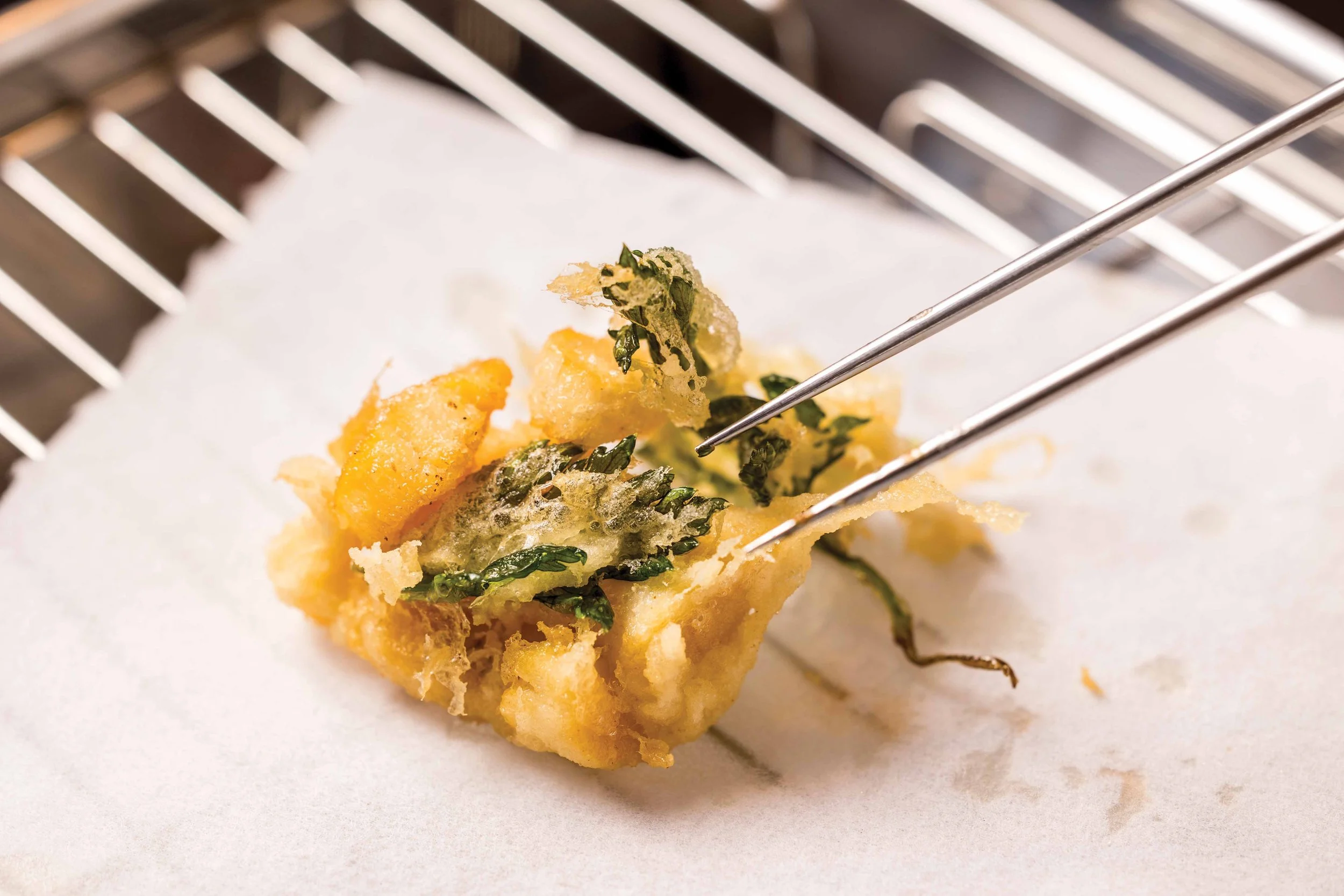
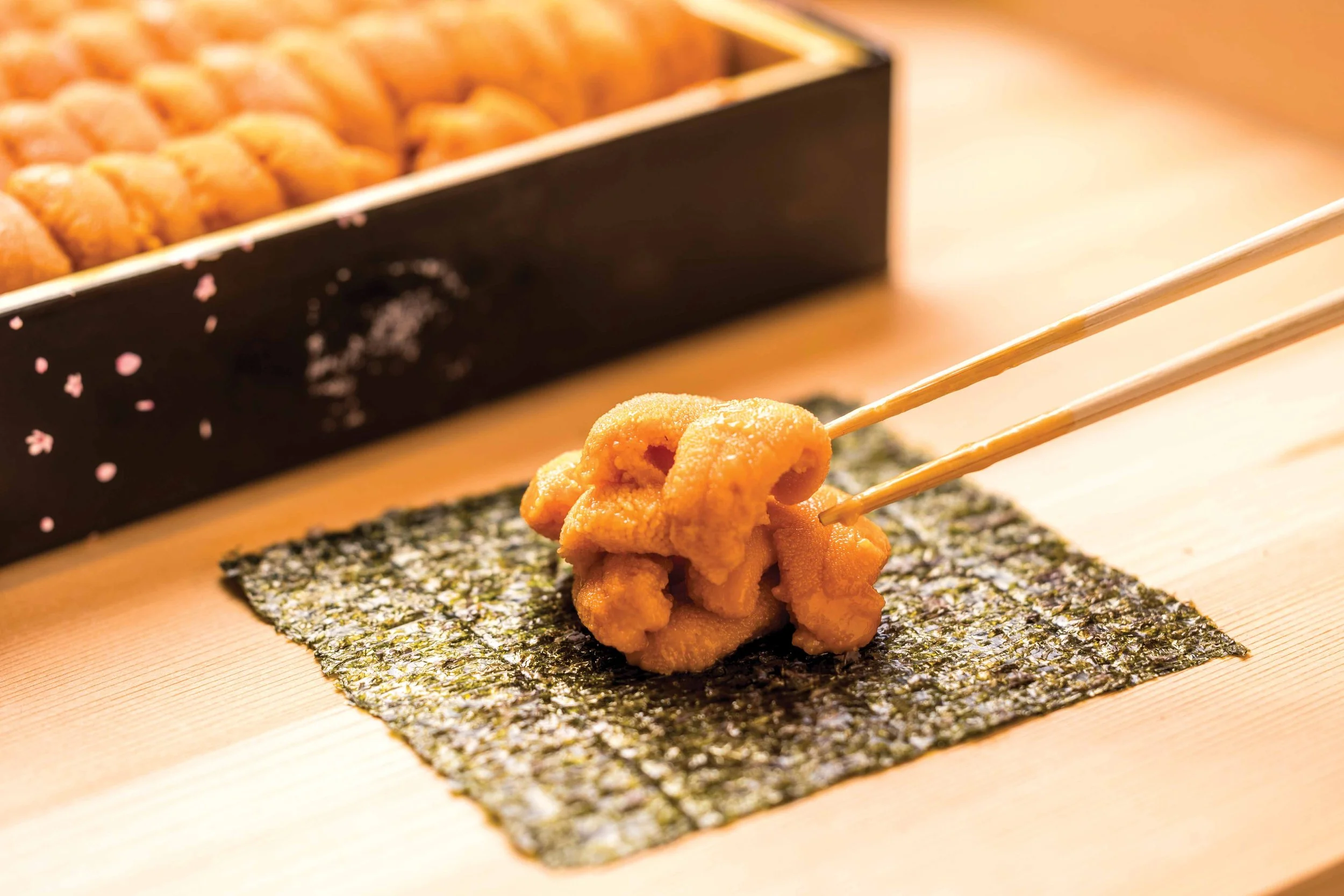
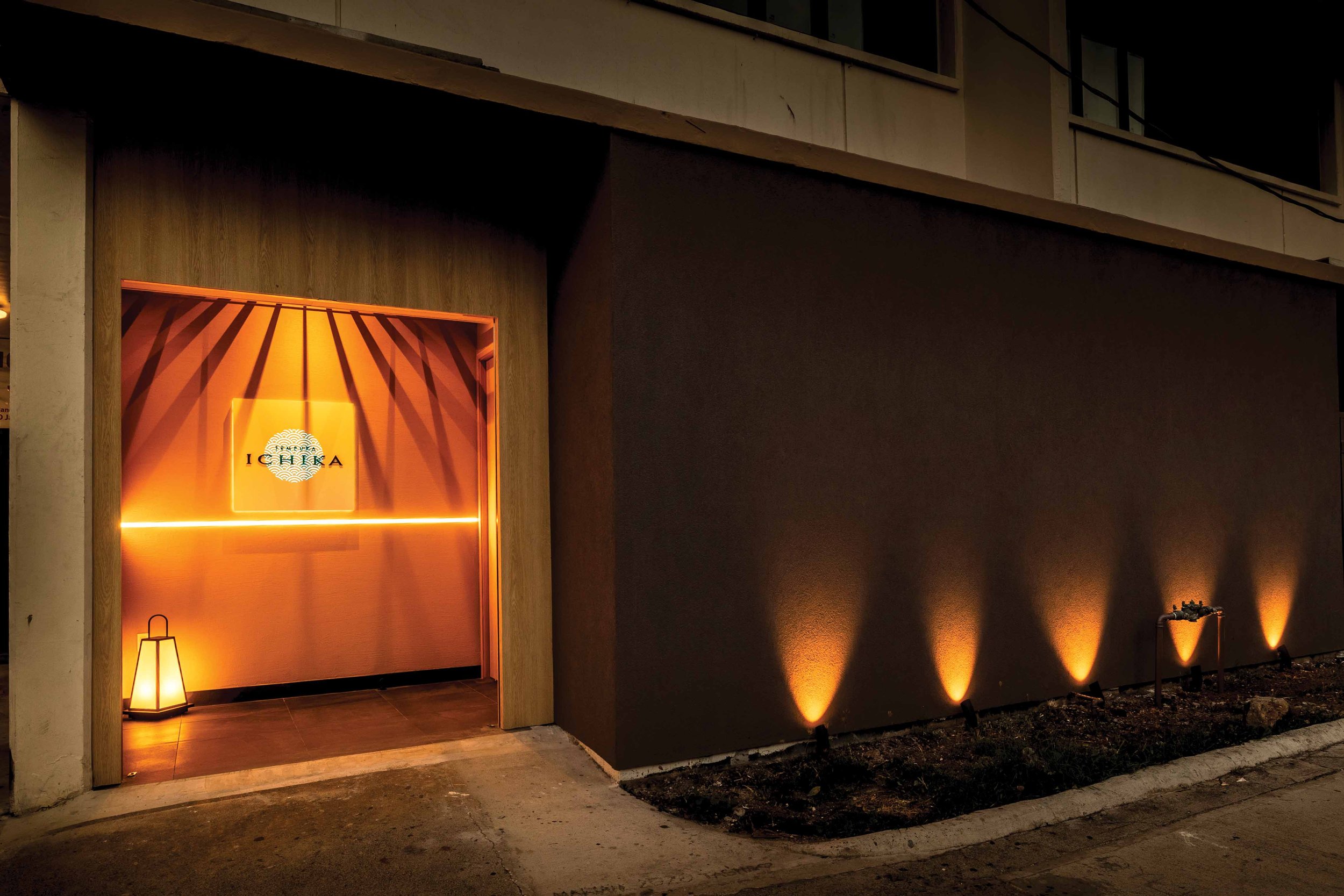
(Photos courtesy Tempura Ichika.)